Posted on

Creating Warm Winter Arrangements with Radiant Red Flowers

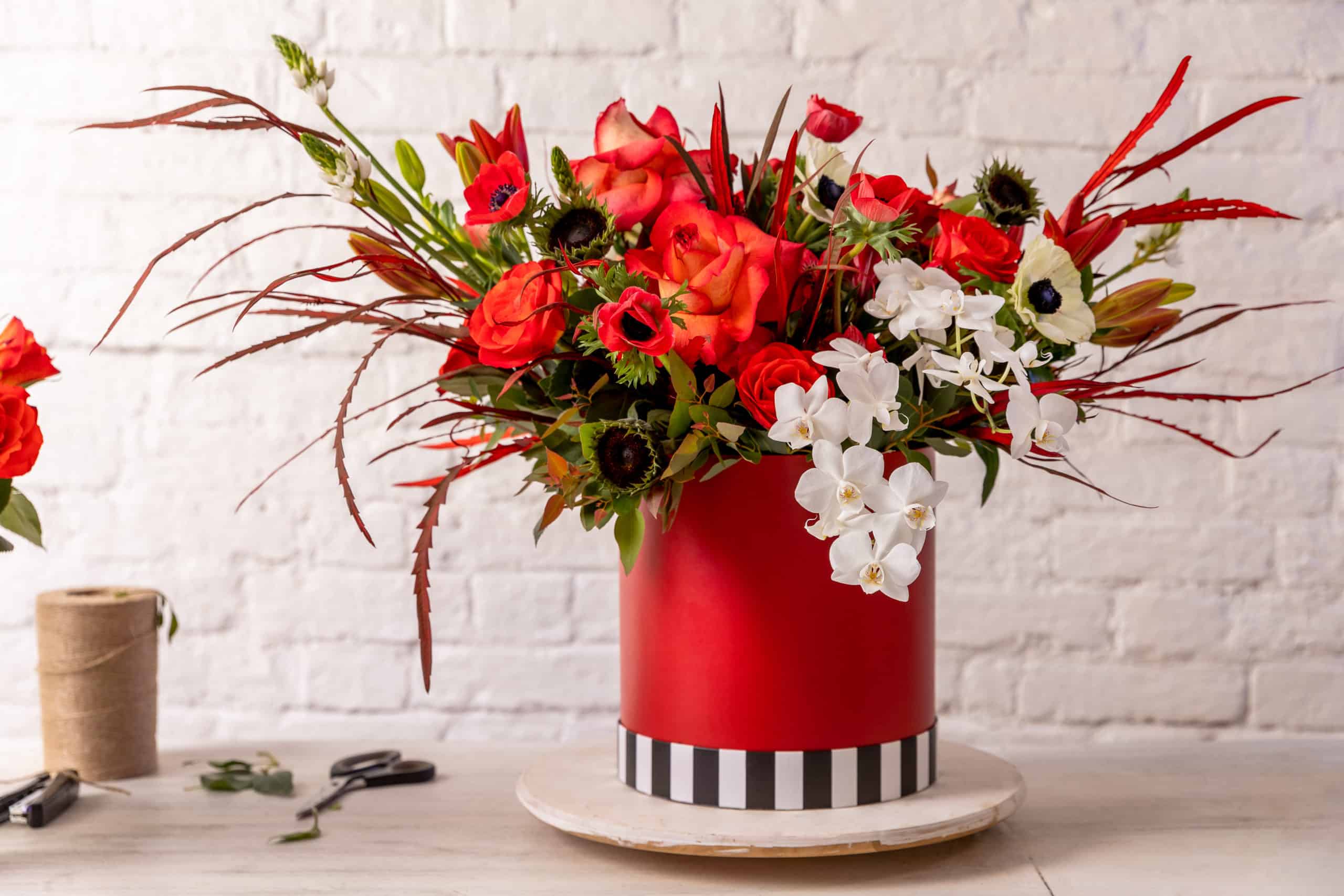
Red flowers arranged artfully in a modern red vase and white accent flowers

The winter months can often feel drab and dreary, especially once all the holiday décor has been packed up and stored away for another year. However, the cheer brought into our homes during the holiday season doesn’t have to end once January begins. The beauty, joy, and comfort we find in seasonal flowers may come from Christmas centerpieces, lovely poinsettia plants, and holiday arrangements sent by far-away loved ones, all of which can include rich and radiant red blooms and even those mimicking Pantone’s 2023 Color of the Year, Viva Magenta. Although red is a festive hue, it can also lift our spirits through January, symbolize love in February, and remind us in March of the warmth that is coming soon in spring. This winter, send homemade red flower arrangements to friends and family or brighten your home with your own creations with fresh red blooms from Cascade Floral Wholesale.
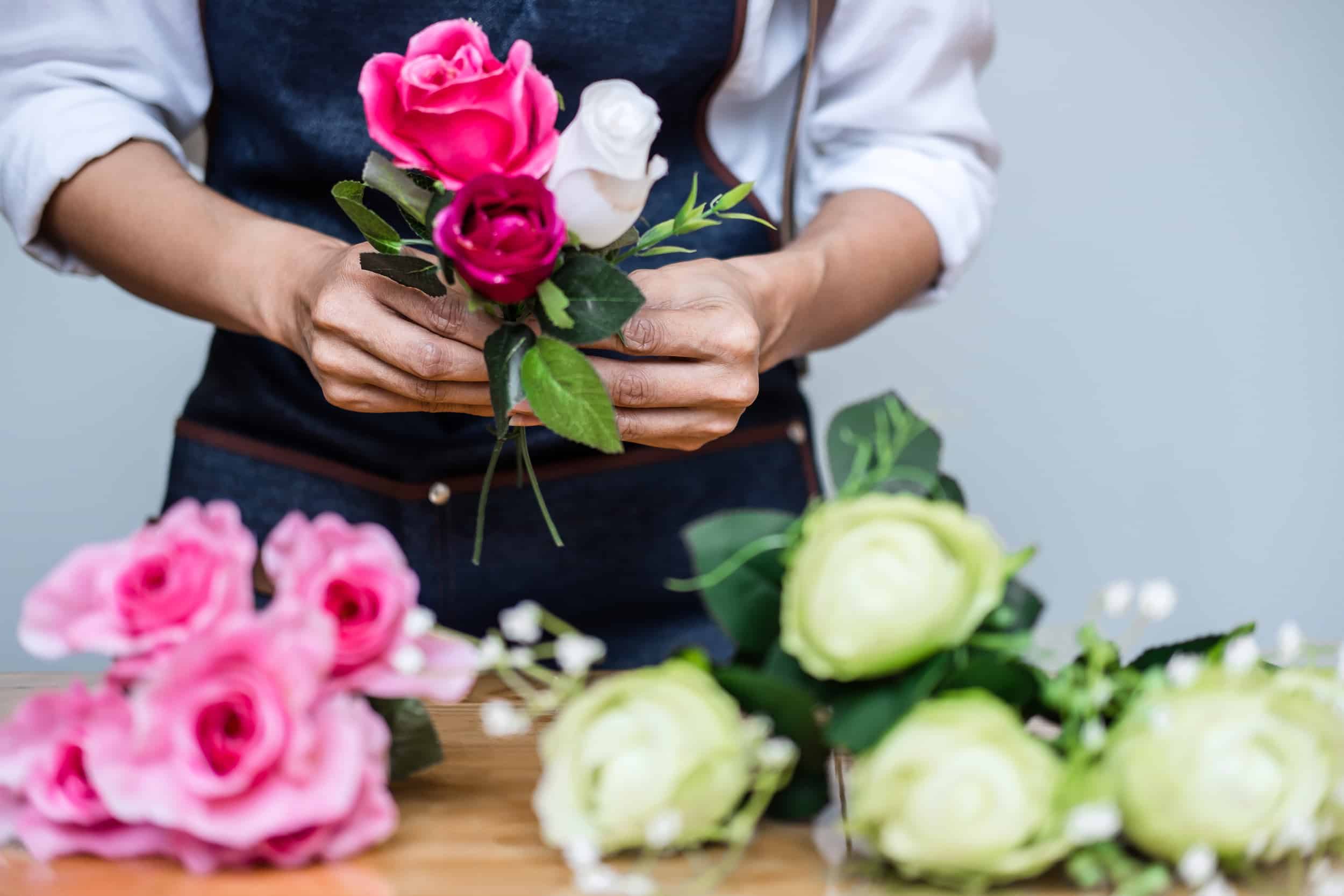
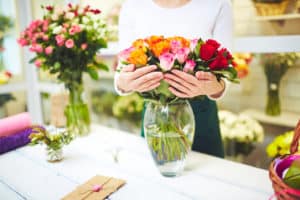
Bright and gorgeous bouquet of lovely red flowers in woman hands. No face, close up photo

The Symbolism of Winter’s Best Red Flowers

  • Amaryllis – A symbol of radiant beauty, the tall and sturdy red amaryllis also represents strength and determination. 
  • Anemone – Simple yet striking, the red anemone symbolizes love.
  • Anthurium – Exotic and tropical, the red anthurium bloom represents happiness and hospitality.
  • Aster – a symbol of undying devotion, this daisy-like bloom is a popular flower in Greek mythology.
  • Carnation – Soft, subtle, and pretty, the red carnation is a symbol of admiration.
  • Dahlia – A natural statement flower, the red dahlia symbolizes commitment.
  • Rose – The ultimate symbol of love and romance, the fragrant rose comes in various red hues, perfect for Valentine’s Day.
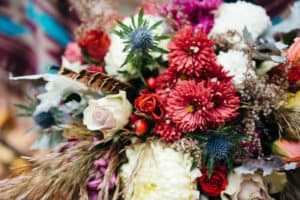
Bunch of fresh flowers in marsala colors. Boho style

Adding More Seasonal Favorites

When curating the best collection of red flowers for a winter arrangement, be sure to collect variations of red hues that will add stunning dimension. Accenting your seasonal red flowers with bundles of refreshing greenery and white winter blooms will also help bring your arrangement to life. Incorporate hints of blue, purple, or burgundy flowers to create a serene, relaxing, and moody feel, perfect for a cold winter’s evening. For a romantic Valentine’s Day surprise, include red, white, or pink lilies, especially stargazer lilies, and sweet pink flowers that add a touch of grace, femininity, and adoration.
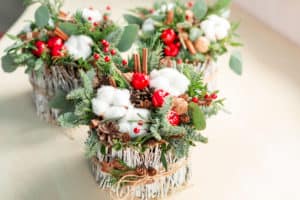
Christmas decoration with carnations, chrysanthemums santini, brunia and fir. Christmas spirit and mood

Incorporating a Touch of Winter

As December’s end nears, the winter season is only beginning. This means seasonal elements and accessories, like pinecones, winter berries, cinnamon sticks, dried oranges, dried cranberries, and even white flocking, are still “in!” Add these winter touches to your arrangements and bouquets for extra warmth, coziness, and texture. Get creative by thoughtfully placing these items among seasonal blooms in arrangements, inside a clear vase for decoration, or on the same shelf you display your winter flowers for a put-together winter look.

If you’re looking for a great way to spruce up your home and banish the winter doldrums, you can’t go wrong with rich red flowers! After the Christmas tree, stockings, Santa Clauses, reindeer, and other holiday items are put away, your home can feel quite empty, bare, or simply cold. Brighten it up with your favorite warm red flowers. Check out our selection of gorgeous winter blooms here at Cascade Floral Wholesale.
Posted on

A Joyful Guide to Holiday Decorating with Winter Berries

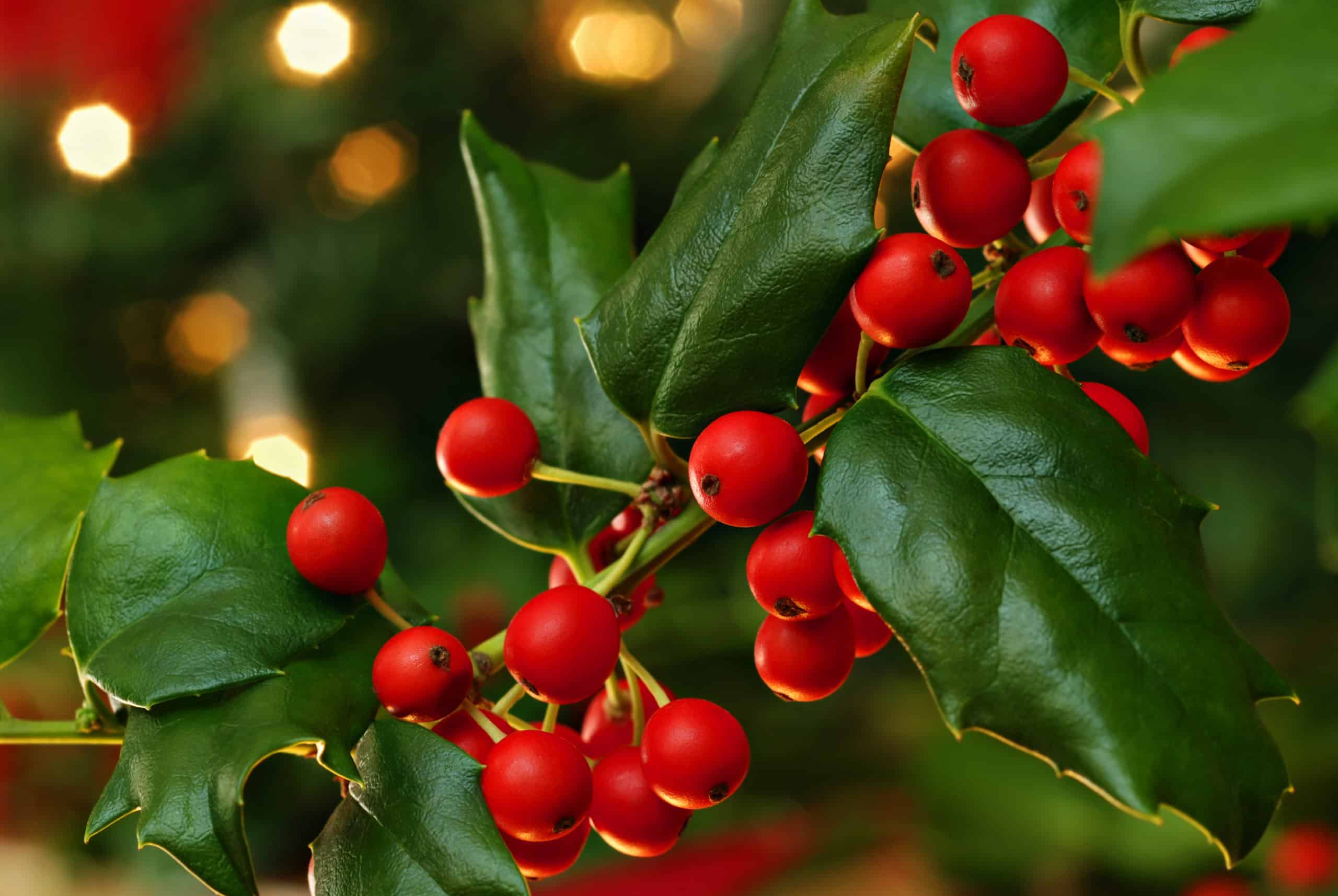
Winter berries

Homemade holiday decorations make your home feel a little cozier, warmer, and personal. At Cascade Floral Wholesale, creating brilliant arrangements, wreaths, garlands, and more live décor for your home or special event is what we’re all about. There is nothing more festive or versatile during the holiday season than winter berries. From American Holly and Winterberry to Hypericum and Brunia Berry, the tiny red, green, white, or silver berries add a new texture and dimension to just about anything.

Fun Ways to Decorate for the Holidays with Winter Berries

Winter floral arrangement with hypericum berries

Accent Flowers with Berries

 Holiday and winter floral arrangements bring life to our dinner tables, add a refreshing touch to our living rooms, or brighten up a loved one’s day when presented as a gift. This season, red, white, green, and silver berries are cheerful additions to seasonal flower designs, especially those made of lush greenery, crisp white blooms, and radiant red flowers. Because of their small, compact size, winter berries will entice the eye when nestled among large petals and fluffy textures.

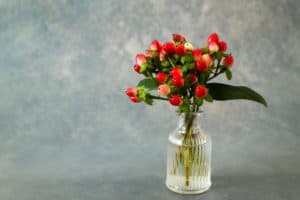
Red hypericum berries in a vase

Arrange Berries in a Stylish Vase

Whether you love a classic holiday look with lots of greenery or a minimalistic aesthetic, berries bring a warm and festive touch to any space, no matter your style. Collect only a few stems of winter berries to place in a tall, sleek vase for a perfect minimalist look, or brighten a bundle of eucalyptus, ruscus, magnolia foliage, myrtle, cedar, or pine with pops of festive berries.

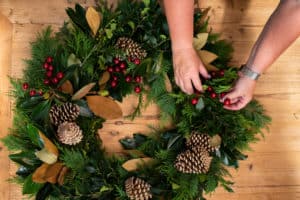
Putting winter berries in Christmas wreath

Adorn Holiday Wreaths & Fresh Garland

Holiday wreaths for your front door or above your fireplace are usually decorated with fresh evergreens, pinecones, flocking, and ribbons of all sorts of patterns and seasonal hues. The same can be said for garlands that hang above doorways or lay across a mantel or table. Like the floral arrangements and ornate vases, winter berries are always a wonderful addition. However, you can also create wreaths and garland straight from winter berries, creating a clean, put-together, bright, and energizing wreath or string of garland for your home.

Decorating the Christmas tree with winter berries

Decorate the Christmas Tree

One of our favorite holiday trends is swapping a few ornaments on your Christmas tree for holiday blooms and berries. Leaning into Mother Nature’s gifts and the fresh, crisp look, feel, and scents of the outdoors is simply magical. While meticulously adorning your Christmas tree with red and white flowers or a collection of red, white, and silver berries, the tree topper surely needs to match the rest of the tree. Gather your favorite winter berries and fasten a luxurious homemade design to the top of your Christmas tree.  

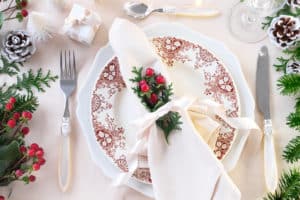
Welcoming and inviting place setting with winter berries

Dress Your Holiday Dinner Table

The holiday season wouldn’t be complete without several family dinners and gatherings with friends and loved ones. When it comes time to set the table, wow your guests with a small but impactful detail on their place setting – a small stem of winter berries. With the range of styles, shapes, and colors of berries available, you can coordinate your dishes and linens to offer a beautiful and inviting place for your guests to sit back, relax, and enjoy a meal together.

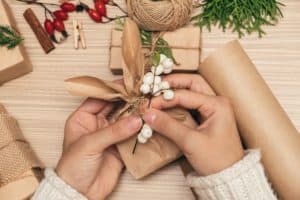
Tying hypericum berries to Christmas gifts

 Enhance Your Gift Packages

 The final stage of holiday planning and decorating is wrapping presents. Whether you are looking to impress or make your gifts stand out among the rest for a White Elephant or Secret Santa, don’t rely on fancy wrapping paper to do the job. Instead, turn to winter berries for the perfect gift accent to make your presents look elegant and festive.  

Kids crafts with winter berries

Enjoy Arts & Crafts with Your Family

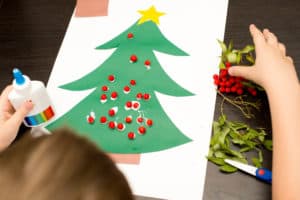
 Winter berries are exceptional plants that can be utilized for a wide range of arts and crafts. From decorative accents that turn homemade Christmas gifts into pieces of art to a fun sensory project for kids, berries are perfect for holiday crafting. Fasten a small sprig to a coffee mug cozy, tie some around a sweet fragrant candle, add a pop of color to cinnamon sticks for decorating gifts or table settings, or have your kids glue each tiny berry to a paper Christmas tree to mimic red, white, and green ornaments. Let your creativity and imagination run wild with winter berries this holiday season.  

Flowers and greenery often steal the spotlight in arrangements and home décor almost all year round. The joy we feel during the holiday season deserves to be celebrated with something different and exciting, like winter berries. Find your favorite berries for holiday decorating and flower bouquets at Cascade Floral Wholesale.
Posted on

DIY Pumpkin Flower Arrangement for Thanksgiving

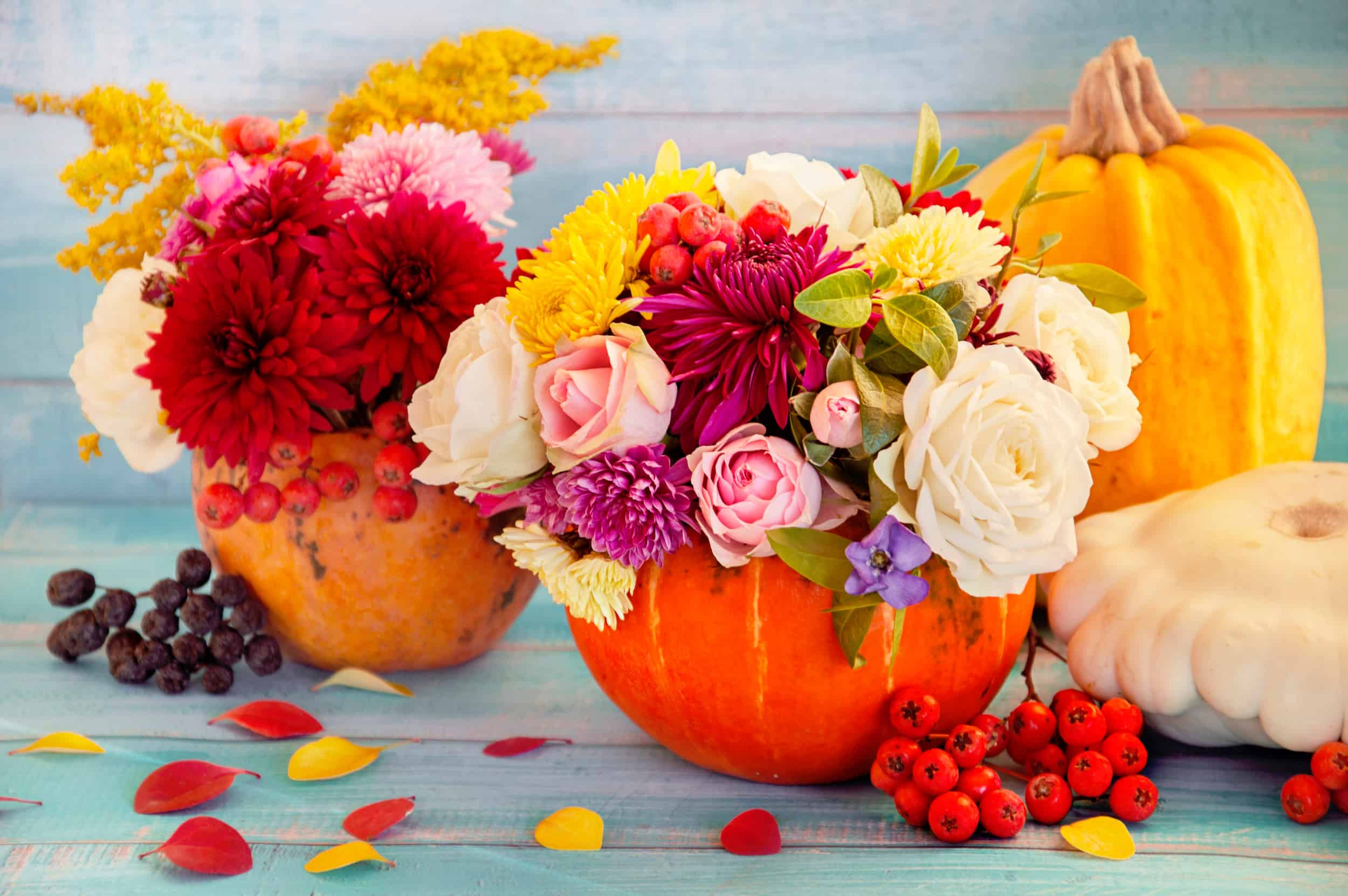
Flowers in a pumpkin. Bright autumn background. Colorful autumn card. Pumpkin with fresh flowers. Autumn flower arrangement. Autumn bouquet.

Bring the beauty of fall into your home with a charming and easy-to-make pumpkin floral arrangement. It’s a simple and festive way to decorate your home with fall’s beauty. A warm and welcoming floral bouquet of the season’s gorgeous rich color palette is a great way to celebrate autumn, spruce up your home, and add simple elegance to your Thanksgiving table. 
autumn floral bouquet in a pumpkin vase for Halloween. Table setting for wedding

How to Make a Pretty Pumpkin Floral Arrangement

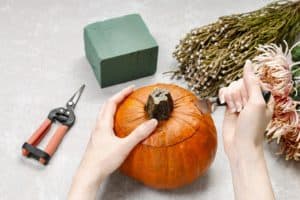
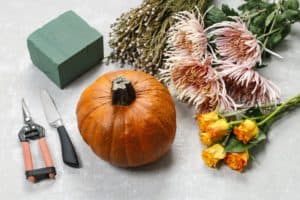
How to make a Thanksgiving centerpiece - step by step: flowers and accessories.

Tools you’ll need: 

  • Small to medium-sized pumpkin (select one with a level bottom, so the pumpkin doesn’t lean to the side)
  • Pumpkin carving knife or a regular sharp knife
  • Flower clippers or sharp scissors
  • Narrow vessel (tall shot glass or skinny vase) to place inside the pumpkin
  • Gorgeous fresh seasonal blooms of different sizes, colors, and textures 

How to make a Thanksgiving centerpiece: bouquet of flowers in pumpkin.

How to make the flower bouquet

  1. Carve a hole in the top of the pumpkin large enough for the glass vase (or vessel holding the flowers) to fit inside. 
  2. Scoop out all the seeds and save them for later (to roast for a snack, add to salads or smoothies, or dry them and let the squirrels, deer, and birds enjoy them).
  3. Fill the vase with ½ to ¾ of water and place it inside the pumpkin. You do not want water to sit directly within the pumpkin itself – it will get messy quickly. You can also place a water-saturated piece of floral foam into the bottom of the vase instead of water.
  4. Once the vessel is in, you can begin designing your bouquet. Start with filling in the greenery first. Seeded eucalyptus or silver eucalyptus are great options for starting with. Fall leaves and branches are also excellent design choices.

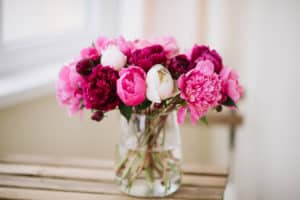
Beautiful bouquet of flowers: white, pink and burgundy peonies

           You can also create the flower arrangement in the vessel before you put it into the pumpkin if you prefer.

          5. Add sturdy flowers, followed by berries or other filler florals to fill in the spaces and complete the look. Since this is a centerpiece, you’ll want the arrangement to be viewable from all sides. Turn the pumpkin as you work to ensure it’s balanced and full all around. 


Tips for success: 

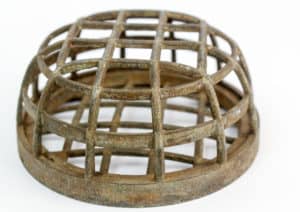
  • Use a flower frog to secure stems and assist in creating a rounded and balanced arrangement. A flower frog is an object made of metal, wood, ceramic, or plastic with evenly spaced holes for placing flowers into. 

Vintage metal flower cage used for arrangements

  • Place the vessel you’ve selected to go inside the pumpkin on top and trace around it with a sharp knife. Then using the tracing as a guide, cut deeper and carve out the pumpkin meat to create a hollow center so that that vessel will fit in snugly.
  • Use a spoon to scoop out the pulp – it works great at hollowing out pumpkins.
  • If using floral foam, leave it in water until it stops releasing bubbles. This is how you know it’s completely saturated. Don’t force or push the foam under the water; let it sink naturally. 
  • If you don’t have a flower frog, no need to go out and buy one – just use floral tape (or any thin tape) to create a grid over the opening of the vessel.
  • Make sure to cut the stems of your flowers at a 45-degree angle before placing them in water or floral foam. Place the longest stems in the center at different angles to create a domed look.
  • Make a trio of pumpkin bouquets with different-sized pumpkins for a more festive fall-inspired look. 
  • Use white pumpkins to elevate the design and give contrast to the richly-colored fall florals.
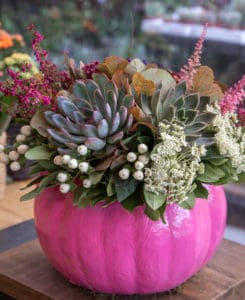
  • Paint the pumpkin a fun color or add succulents instead of flowers for a fun, chick look. 
  • Don’t fuss too much about the design. Looking carefree and fuss-free is the goal of the arrangement and what makes it charming. 

Decorated pink pumpkin with succulents, flowers and leaves at the greek garden shop in October. Vertical.

Non-carving method: 

Choose a level pumpkin of any color and place a block of water-saturated floral foam on top, pushing down onto the stem until it’s secure. Start building your arrangement laying a base of greenery to cover the foam. Build arrangement and fill in any areas showing the foam, so it’s fairly well concealed. 

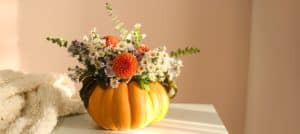
Beautiful autumn bouquet in pumpkin on table

Posted on

DIY Floral Arrangements for Your Wedding

Arranging artificial flowers vest decoration at home, Young woman florist work making organizing diy artificial flower, craft and hand made concept.

With the availability of quality wholesale flowers from Cascade, having fresh blooms for creating DIY wedding flowers is a dream come true for budget-friendly and cost-conscious brides. Doing it by yourself can be overwhelming, which is why we are providing you with essential tips for DIY wedding flowers.

Modern table's centerpiece for summer wedding. A lot of greenery being composed into stunning arrangement. Step by step, tutorial.

6 Tips for DIY Wedding Floral Arrangements

Choosing Your Flowers

  1. While modern shipping allows for access to almost any flower at any time of year, it is easier and more cost-effective to choose flowers that are in season. Seasonal flowers will be more readily available, affordable,  and replaced easier if anything should occur to your bouquets right before the wedding. Fresh, seasonal blooms T also stay healthier for a longer period of time, looking more beautiful and appealing during the wedding.
  2. It is also important to understand the limitations of the flowers you choose. Some blooms may wilt quicker than others, and other blooms may need more water or sunlight than others. By understanding what each flower needs, you can care for them properly to keep them bright and blooming. Having this knowledge can help you select hardy flower varieties that will maintain the look you want.
  3. Our final tip for deciding which blooms to choose is to keep it to only a few varieties. All of your arrangements can be created with just three flowers –  a primary bloom, a secondary bloom that complements it, and a tertiary bloom that helps fill out the bouquet. These three flowers can be used across all of your arrangements, changing their positions and filling them in with greenery to create different variations.  

Florist at work. Woman making bouquet of pink roses

Preparing for Assembly

  1. Assembling bouquets, boutonnieres, and centerpieces requires more tools than just flowers and vases. Making sure you have all the required tools and materials when the flowers arrive is crucial. To hold flowers in place and arrange them, floral tape, floral wire, floral foam, and twine are helpful to have on hand. For decorations and embellishments to make your flowers pop,  use ribbons, lace, or twine. To keep the flowers fresh, have a spray bottle of water nearby so you can periodically mist your floral arrangements.
  2. It r helps to make a plan for your fresh flowers ahead of time, so you know how many you will need for your wedding. Count the number of bouquets, centerpieces, and boutonnieres you plan to have and then how many flowers will be in each one. This will help you determine the number of individual flowers and greenery you will need so you aren’t left with too many or too few.
  3. Making a gorgeous wedding bouquet and centerpieces is not as easy as many think and often takes time and practice. Online tutorials are a great place for tips and advice on how to best prepare your flowers. Pick a tutorial that shows an arrangement like the ones you want to use and practice with your tools before getting started. It is important to remember that complex or time-consuming arrangements can lead to anxiety or frustration and simple arrangements often look just as beautiful and a lot easier to prepare.

Florist at work: How to make modern table's centerpiece for summer wedding. A lot of greenery being composed into stunning arrangement. Step by step, tutorial.

Cascade floral offers all the flowers you need for DIY arrangements that best fit your budget. Check out our selection today or contact us directly so we can help you make your wedding day special and memorable. 
Posted on

Flowers in Fashion

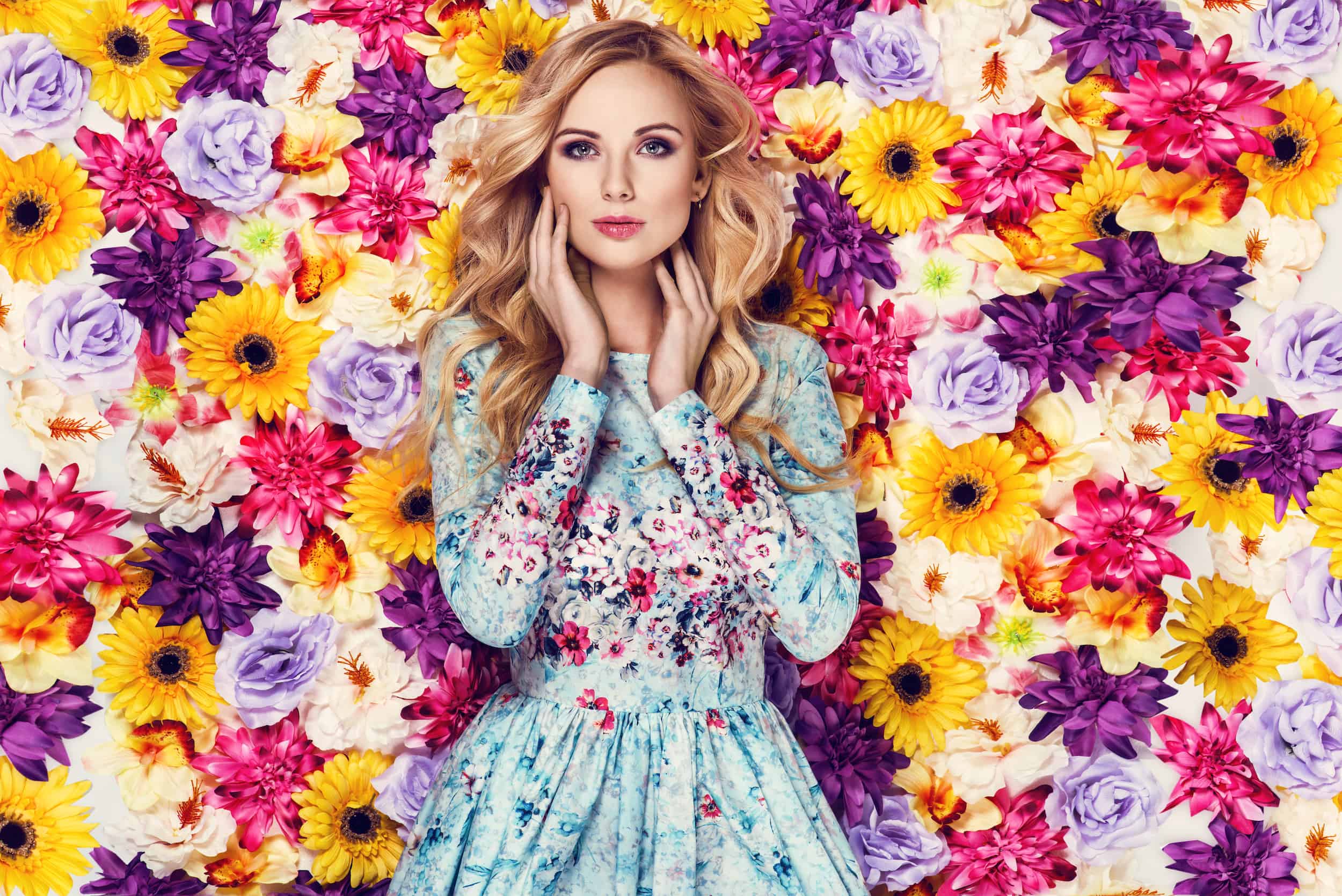
Beautiful young woman in nice blue dress posing on colorful wall of flowers. Fashion photo, nice hair, big smile

New York Fashion Week 2022 just ended, and we were surprised by how many amazingly gorgeous floral-inspired designs we saw on the runway. For example, stunning floral prints in Caroline Herrara’s collection and the beautiful dresses inspired by actual flowers showcased on runways from Loewe and Dion Lee, where pieces in the shape of anthurium blooms and monstera leaves gave off a stunning yet cool tropical vibe. Intrigued by seeing flowers prominently displayed on fashion runways, we wanted to research the history of fashion and flowers to see just how long this trend has been around.  
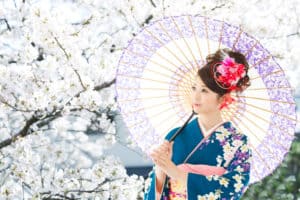
Asian woman wearing traditional japanese kimono

Flower designs have been a staple of fashion for centuries. After all, everyone loves flowers, and they are a naturally occurring source of beautiful and vibrant colors. Flower prints in clothing are believed to have first appeared on silks thousands of years ago in Asia. They were eventually adopted into the west, appearing on men’s and women’s fashionable garments, with popular flowers such as peonies, tulips, daisies, carnations, and more. One of the most interesting things about the history of floral designs in fashion is how new technology has allowed designers to incorporate flowers in many different and artistic ways. The discovery and trade of foreign flowers and the advancement of manufacturing processes helped advance the beautiful progression of designs from classic woven patterns of silk to the jaw-dropping designs of today. It is amazing how the beauty of flowers has transcended time and remains just as fashionable today as it did over a thousand years ago.

The influence of flowers in fashion can be seen beyond the use of literal depictions of flowers on garments. Many of the world’s top fashion designers are inspired by how a flower grows, which they incorporate into their designs. Many designers are also inspired by the stunning colors of flowers, from vibrant to light, rich to pastel, and speckled to gradient. 

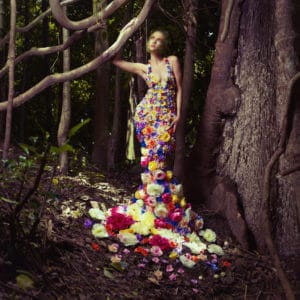
Blooming gorgeous lady in a dress of flowers in the rainforest

Often, a designer will use real flowers to enhance or showcase their designs on the runway. In the spring fashion show of 2020, Prabal Gurung’s models carried woven bags filled with flowers. Similarly, Alexander Mcqueen created gowns of real flowers that graced the runways. Chanel had a look several years ago at dresses inspired by white roses, and bouquets of real white roses were held by the models to compliment the dress. It seems like flowers and fashion naturally go hand in hand.

NEW YORK, NY - SEPTEMBER 11: A model walks the runway for Chiara Boni La Petite Robe during New York Fashion Week: The Shows at Gallery II at Spring Studios on September 11, 2018 in New York City.

Many floral prints and floral-inspired fashion options are available today for men and women. From delicate floral designs to all-over flower patterns and traditional flower images to abstract ones, there’s something for everyone’s sense of style. Floral trends change yearly, but the floral print will never go out of style and will always impact fashion, as we see floral patterns in some form or another every spring and summer. 

Posted on

Interesting Facts About the Rose

White and red rose

Roses are the most popular flower in the world. Nearly everyone loves this beautiful, magical, and, some would say, perfect bloom. Its long and rich history is intimately linked with humans, and the rose has been used to symbolize love, beauty, war, politics, and more.  Here are some cool and interesting facts about the beautiful and immaculate rose that you may not know.

pink rose in summer garden

  • While the most popular color of rose is red, they come in a wide array of colors, shapes, and sizes. here are over 150 different types of roses and thousands of cultivated hybrids s. Roses grow as climbers, groundcovers, and shrub-like plants, and they can be found on every continent.


  • Roses grow across the globe, but the countries that produce the largest amount of roses (billions each year!) are The Netherlands, Ecuador, Columbia, Kenya, and Ethiopia. Due to ideal weather conditions, Ecuadorian roses are considered the best as the climate allows for them to grow vibrant, large varieties, including new and rare crossbreeds of blue roses.


  • Roses are one of the oldest flowers known, with fossils that date back 35 million years. Evidence suggests roses were being cultivated nearly 5000 years ago by Japanese, Chinese, and Greek civilizations. This makes roses the oldest flower to be cultivated specifically for ornamentation. Amazingly, the oldest living rose today is over 1,000 years old and can be found growing on the side of Hildesheim Cathedral in Germany. 


  • Some roses are edible. Creative chefs, baristas, and bartenders use rose petals and rose extract for cocktails, teas, jellies, and as a flavoring in meals. A common ingredient made from roses is rose water, which comes from soaking rose petals in water. Roses found in a typical bouquet, however, are not to be consumed. Only roses specially made for human consumption should be ingested.


  • Each rose color has unique and interesting hidden symbolism. The classic red rose has the well-known symbolism of romance, beauty, and love. Bright fiery orange roses are associated with passion, excitement, and romance, while a softer peach shade represents sincerity and gratitude. White roses signify sympathy, which is why they are often seen at funerals, but they also represent innocence and purity, making them common at weddings as well. Pink roses are used for expressing admiration, elegance, and joy.


  • In 1986, Ronald Reagan declared the rose the national flower of the United States. Georgia, New York, Iowa, North Dakota, and Washington, D.C have a type of rose as their official state flower, as well.


  • The largest rose ever was grown by Nikita K. Rulhoksoffski, a Californian rose grower, and it was 33 inches in diameter with a 6-foot stem. This rose was five times larger than a typical large hybrid rose and was so big it couldn’t stand upright on its own and had to be displayed on the floor.

Closeup of rose bush flowers in summer garden during blossoming after rain

If you are now inspired to get your hands on some roses to create decorative floral centerpieces or bouquets, then check out our rose selection. Along with filler blooms, assorted flowers, and fresh greenery, Cascade Floral Wholesale has the best, high-quality, and long-lasting blooms around.

Posted on

All About the Kalanchoe

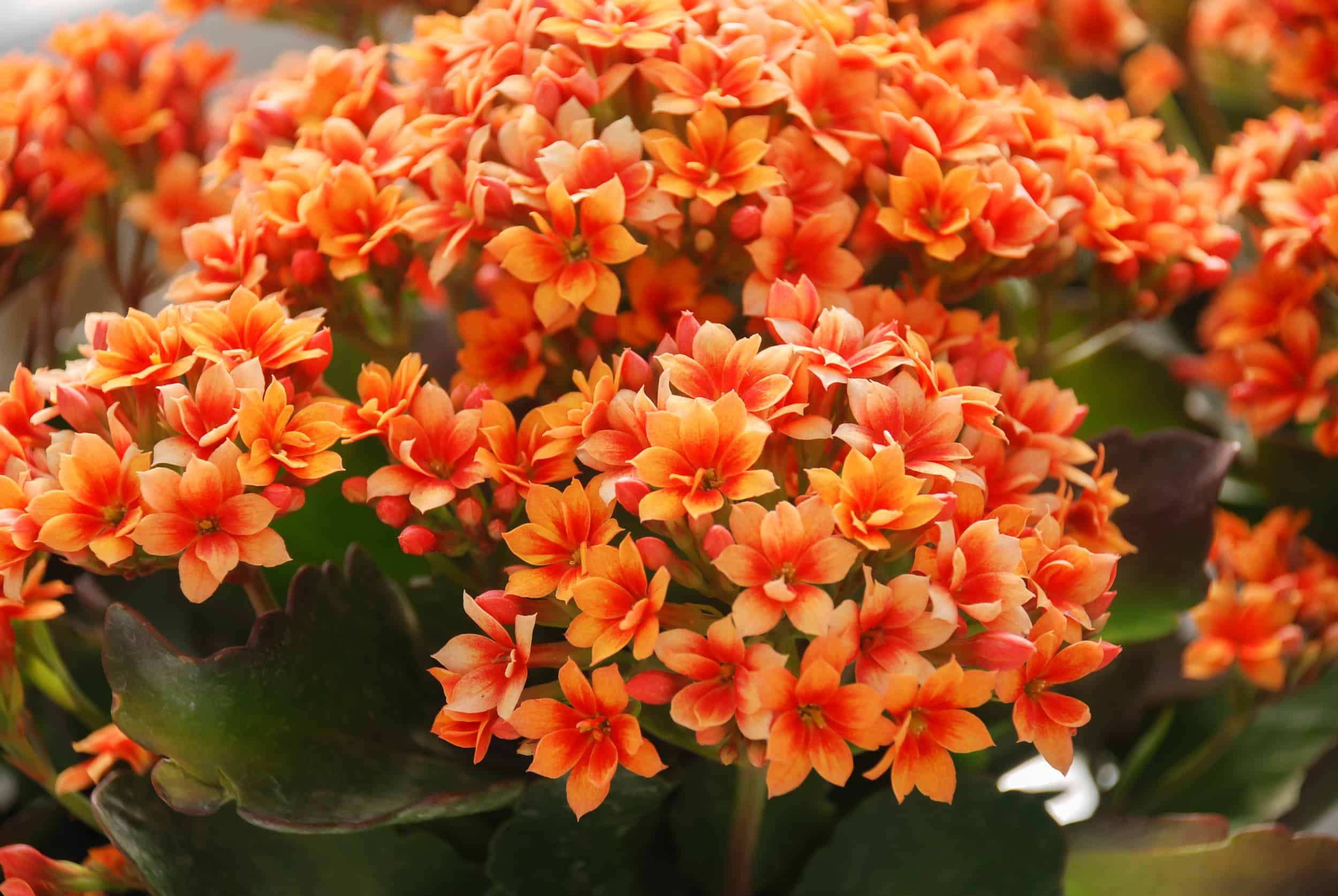
Kalanchoe plant with orange flowers, Kalanchoe blossfeldiana, potted Kalanchoe

What Is a Kalanchoe Plant?

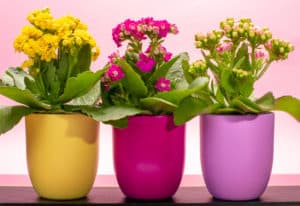
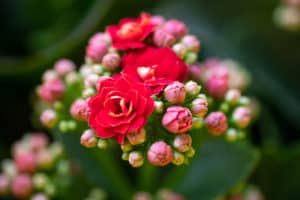
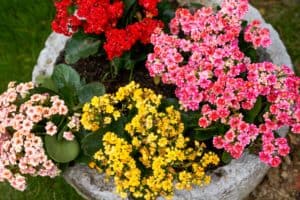
Kalanchoe plants are a type of plant that belongs to the succulent family. There are 125 known Kalanchoe varieties, with the most popular being the Kalanchoe blossfeldiana. The plants vary significantly in appearance, but most display brilliantly colored flowers, which makes them so charming. . The flowers bloom in bunches and range in colors from pink, red, white, orange, or yellow.

As members of the succulent family, Kalanchoe have the typical thick leaves and numerous stems. The plants vary in size, with most reaching up to one to two feet in height and width. However, some treelike species can grow up to 20 feet tall. Kalanchoes bloom for about eight weeks from late autumn to late winter and, as a result, are often seen with other festive houseplants around the holidays. Take note –  kalanchoes are potentially toxic to pets and should be kept well out of their reach.

Kalanchoe plant with orange flowers, Kalanchoe blossfeldiana, potted Kalanchoe

Why Kalanchoes Make Great Houseplants 

Kalanchoe plants are easy to maintain, and they are loved for their many colorful flowers and unique shapes. Due to their low maintenance requirements, they make ideal houseplants. While the most common and easiest to care for, Kalanchoe is the Kalanchoe blossfeldiana, other popular and beautiful varieties  include:

  • The panda plant (Kalanchoe tomentosa).
  • Paddle plant (Kalanchoe thyrsiflora).
  • Mother of thousands (Kalanchoe daigremontiana).

These Kalanchoe plants are ideal container plants and grow well indoors when properly cared for.

Three colors pots with thee colors medical plants kalanchoe with flowers close up on trendy pink background, bright colors concept

How to Care for Kalanchoes  

Kalanchoes originate from tropical and humid climates, so despite the fact they usually bloom in winter, it is best to keep them in 60-85 degree temperatures as they cannot withstand cold temperatures. If your Kalanchoe has not bloomed yet, ensure it is in a location that receives a significant amount of sunlight. Keep bloomed Kalanchoes in a place where they receive moderate sunlight will keep the flowers blooming longer.

As with most succulents, Kalanchoes do not require as much water as other houseplants. Every few days, check to ensure the soil surface levels are dry before watering the soil to avoid overwatering and leaving water blemishes on the leaves. To encourage blooming, use a clean pair of scissors and cut away smaller blooms at the base of a cluster.

Kalanchoe blossfeldiana is native to the island of Madagascar

Interesting Facts About the Kalanchoe 

  • Kalanchoe plants originate from Southeast Asia and southern Africa and are most prevalent in Madagascar.
  • They were brought to Europe from Madagascar around 1930 by a German man named Robert Blossfield, who is the namesake of the most common Kalanchoe plant, “blossfeldiana.
  • The name “Kalanchoe” comes from the Chinese phrase “Kalan Chau,” which translates to “that which falls and grows,” in reference to the way it spreads.
  • Kalanchoe plants symbolize endurance and lasting affection because of their long-lasting period of blooming.
  • A unique characteristic of Kalanchoes is they have new cells growing on the interior part of their petals which helps make them bloom. These cells also grow on the petal’s exterior to help the flowers close.

Kalanchoe potted plants in four colors of red, yellow and white powder grown in the garden

How to Get a Kalanchoe to Rebloom

The Kalanchoe is known as a “short-day” plant, just like the Christmas cactus, so to get your kalanchoe to rebloom, you’ll need to expose it to lower light levels that mimic shorter days. . Time this with the changing of the seasons as the days get shorter in the late fall. Over the course of a month, begin watering the plant less, if at all. Expose the plants to only eight or nine hours of light a day. Then, put it in a closet in complete darkness for the rest of the time. Once you start to see flower buds, move the houseplant back to its bright light position, and resume watering the plant as you would normally.

Posted on

How to Decorate Your Home with Succulents

Miniature succulent plants (succulent cactus) at the garden

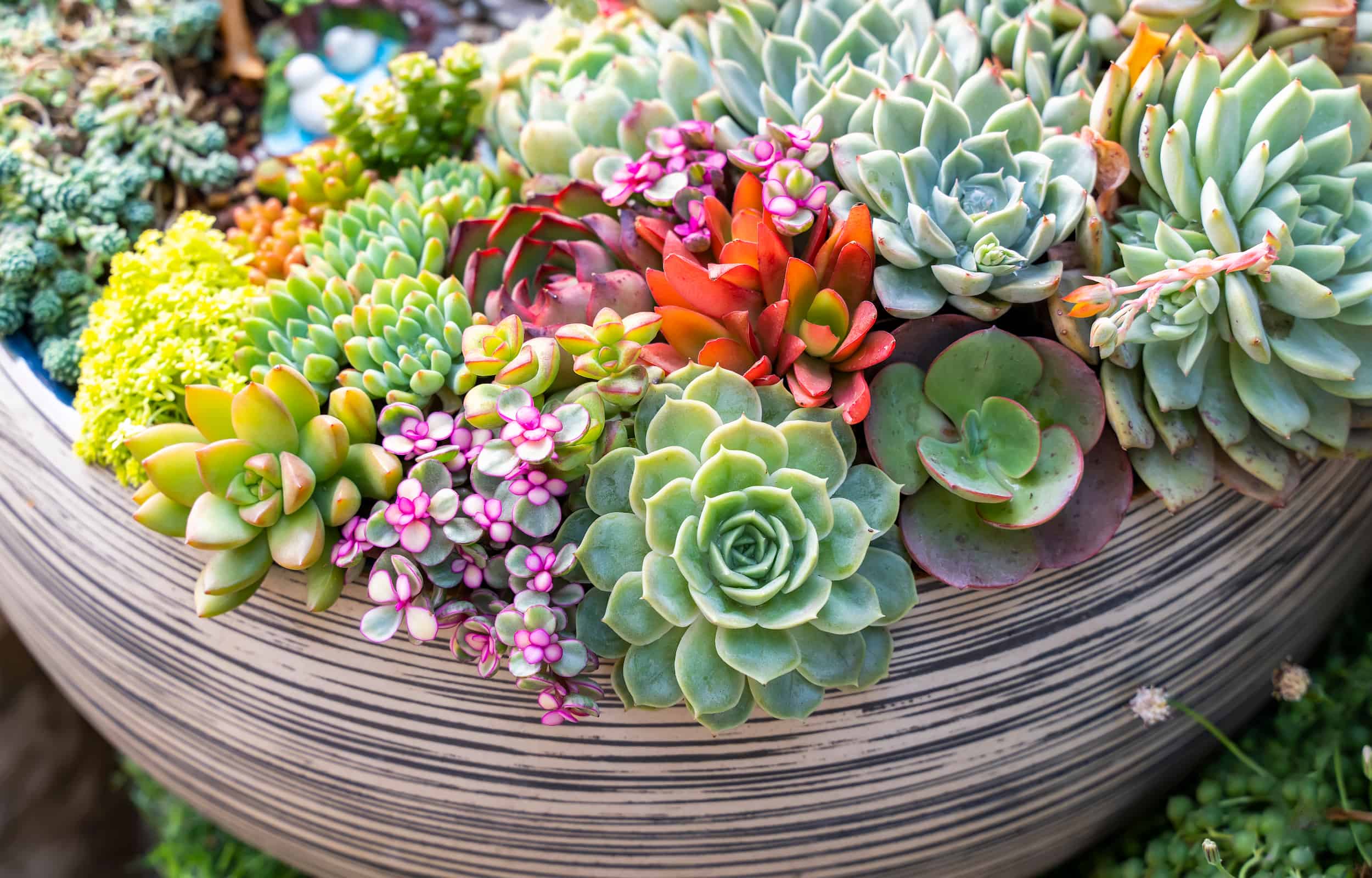
Succulents are appealing, colorful plants that add charm and chic living decor to any space. Their thick, fleshy leaves and interesting shapes make them particularly decorative and eye-catching. These hardy plants are easy to take care of and can survive moderate amounts of neglect. Succulents easily adjust to low lighting and humidity levels, so they are perfect for new plant parents or those who travel a lot. If you want to add some greenery and touches of chic decor to your home, then decorate with succulents! 

Here at Cascade Floral Wholesale, we list 8 ideas for sprucing up your interior with succulents. 

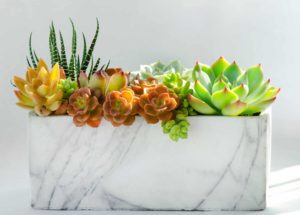
Arrangement of red green Echeveria and Zebra plant succulent flowering houseplants in square pot planter and sunlight shadow background

How to Make Decorative Succulent Containers


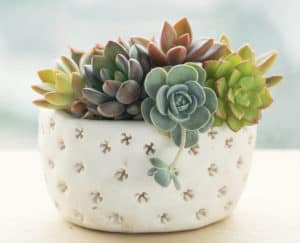
Clay pot of various of flowering echeveria, sedum succulent plants centerpieces beside window

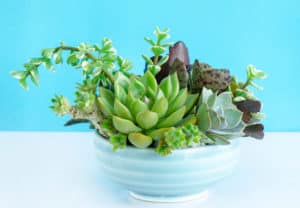
Mix of green echeveria, crassula succulent plant centerpiece arrangement in blue ceramic pot on white table top ,blue background

Add succulents to ornate bowls or thrift shop finds for wonderfully unique table centerpieces.

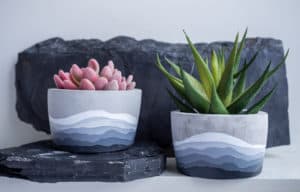
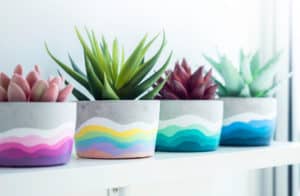
Colorful DIY round concrete pot with beautiful green, pink and red succulent plants decoration on a white wooden shelf on white wall background near glass window. Four unique painted cement planters.

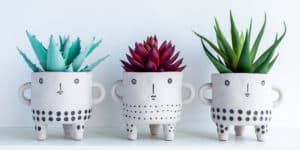
Three cute face ceramic plant pots with red and green succulent plants on white wooden shelf isolated on white wall background with copy space. Small modern DIY cement planter trendy decoration.

Fill small decorative pots with one succulent each for an eye-catching artsy display perfect for a shelf or windowsill. 

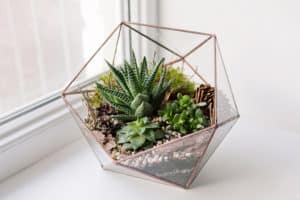
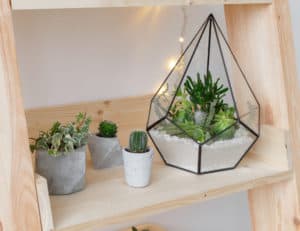
Geometric glass florarium vase with succulent plants and small cacti in a concrete geometric pots on wooden rack. Small garden with miniature cactuse, echeveria, crassula. House indoor plants.

mini succulent garden in glass terrarium

Fill a geometric terrarium with succulents for an interesting contrast of sharp lines and soft curves. 

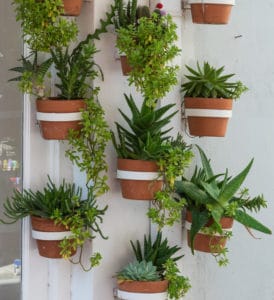
Wall arrangment of cacti and other plants on white wall outside.

Add succulents to small planters that attach to the wall for a colorful and instant wall art decor. 

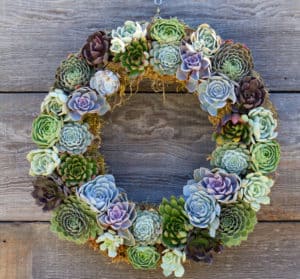
Colorful cactus wreath hanging on rustic wooden wall.

Add succulents to a wreath to hang on your front door. With a few seasonal elements, such as sunflowers, fall leaves, and greenery, you’ll have the most interesting fall wreath in the neighborhood. Succulents work with any seasonal decor, too. 

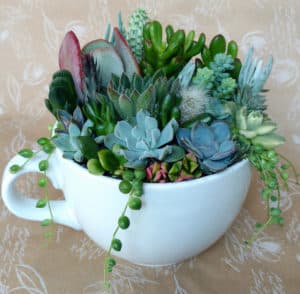
The succulent terrarium in a white porcelain cup pot

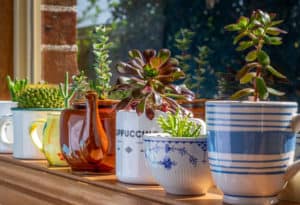
House plants grown in recycled mugs, tea cups, sugar bowl and tea pot displayed in sunny window, recycle, reuse, upcycle for sustainable living and gardening.

Repurpose all those unused coffee cups in your cupboard by filling them with succulents. Cute and ornate, you’ll wish you’d thought of this sooner. 

The succulent terrarium in a glass vase

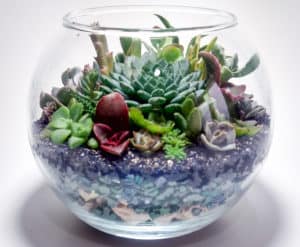
Mini-succulents in glass terrariums.

If you have an old fish bowl lying around, fill it with various colorful succulents instead of fish. Succulents will last much longer and won’t need as much care!

Succulent terrarium planted in a pine tree bark

Various types of succulent cactus plant in wooden box

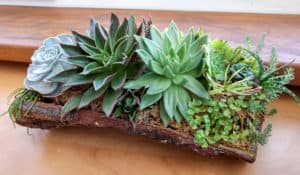
Find an interesting piece of wood or log with a hollow space and add succulents to it to bring it to life in a new decorative manner. You can do the same with an old wooden box, such as a cigar box, to create a colorful display of ornate succulents. 

Cactus pot. Concrete pot. Two modern geometric concrete planters with painted with succulents plant on white wooden shelf isolated on white wall background.

Any decorative pot or item you find with a hollow space can hold succulents. Get creative! Find attractive bowls, cups, dishes, or other decorative items at a thrift shop or in your garage. The shapes and sizes of things into which you put succulents vary greatly, which makes them versatile to fit any room or space. From table centerpieces, coffee table decor, hanging planters, shelves, and windowsills, there are plenty of spaces and areas these lovely little plants will enhance. 

Tips for Planting Succulents 

  • For small pots, you’ll want succulents that are slow growers indoors. Types like Haworthias, Sempervivums, Echeverias, Crassulas, and Gasterias are great options. A small pot is typically 7 inches or less in diameter.
  • Make sure the pot you select has drainage holes.
  • Find a potting soil specifically for succulents, such as a Cactus Mix. It should be light, well aerated, and has good drainage.
  • To keep the succulent and pot size in scale, select a pot no larger than one and a half sizes larger than the size of the succulent. 
  • Pour soil into the pot until the succulent sits above the pot’s rim. 
  • If you want the look of tightly-packed succulents, place each succulent close to one another in a manner that looks good to you. Just keep the base of the plants sitting above the rim of the pot.
  • Do not water your succulents immediately after potting. Wait about a week before they have their first drink; this will ensure any roots damaged during the potting process have healed.
  • Use a squeeze bottle with an angled straw or long narrow tip to water tightly packed succulents to ensure the water gets into the soil and not all over the place.
  • Small succulents in small pots will require more frequent watering as there is not much soil to retain the moisture, and they can dry out quickly. 
Posted on

How to Create Stunning Floral Arrangements with Zinnias

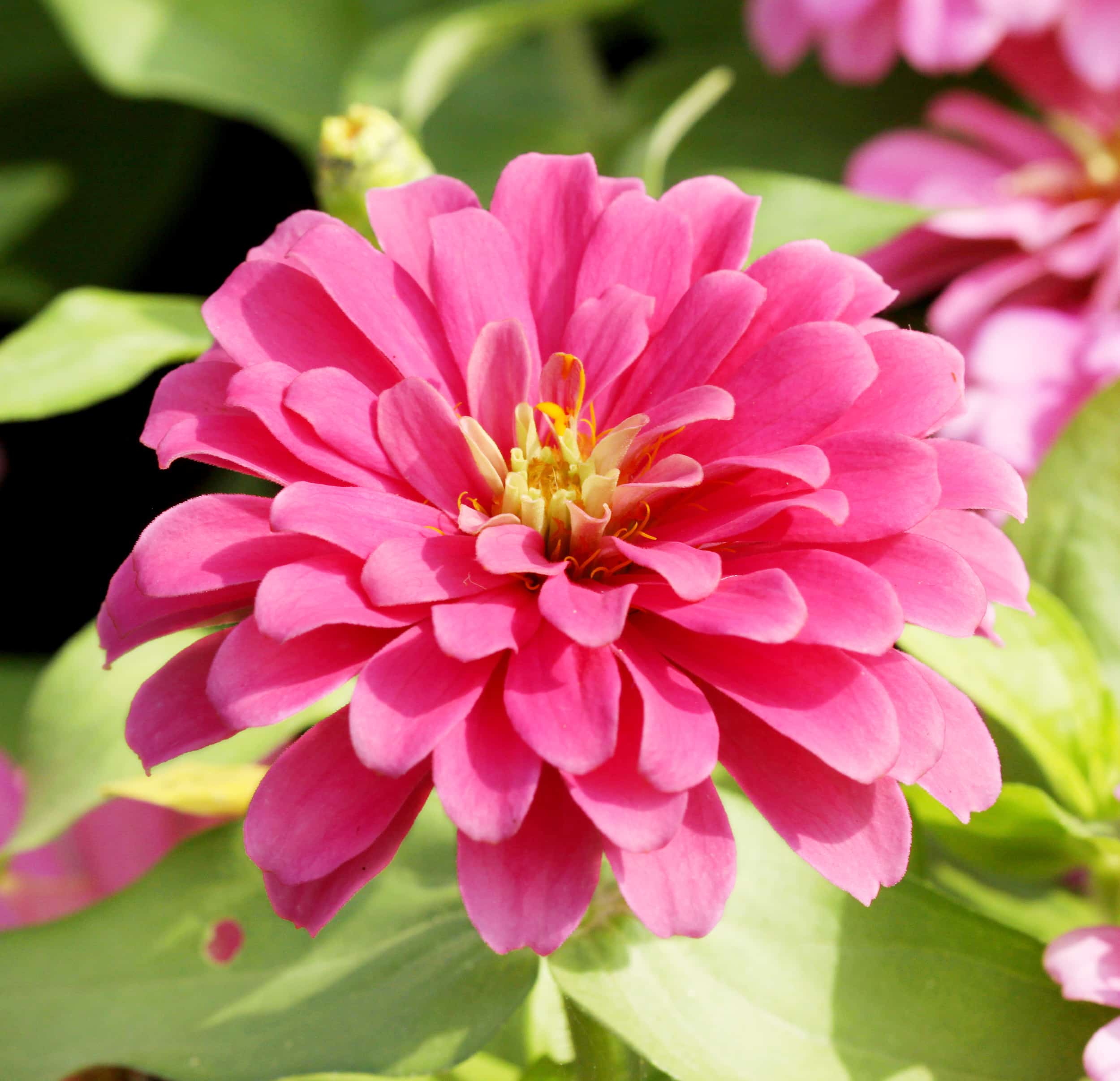
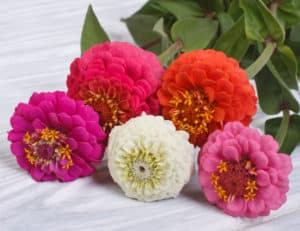
up close of pink Zinnia

Zinnias are loved by both florists and gardeners for their attractive, full shape and colorful varieties. They are easy to grow and care for and look amazing in arrangements with other florals or on their own. Because the zinnia is a hardy bloom and easy to grow, it is often used as a filler flower and considered more of a ‘basic” flower. Here at Cascade Wholesale Flowers, we think zinnias are spectacular with some truly gorgeous varieties, such as Zinnia Oaklahoma, Purple Prince, Peppermint, and Cactus-Flowered Zinnias. 

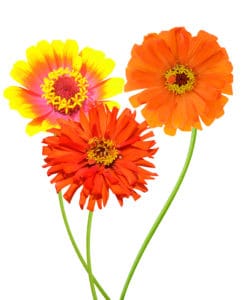
A summer zinnia flower branches isolated on white background

Zinnias are a genus of the sunflower plant in the daisy family, and there are 22 recognized types of zinnias, with zinnia elegans being the most popular. Native to Mexico and Central America, zinnias are named after German botanist Johann Gottfried Zinn, who discovered these colorful blooms and imported them into Europe. 

Pink yellow and red zinnias


Different types of zinnias vary in appearance and size and have either single- or double-formed petals. The zinnia elegans variety most closely resembles the dahlia due to its numerous, doubled-rolled petals. In fact, zinnias are often used as a substitute bloom for the dahlia. 

To bring out the beauty and brightness of the lovely zinnia, use the below floral arranging tips to make this underrated bloom shine! 

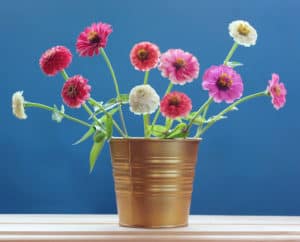
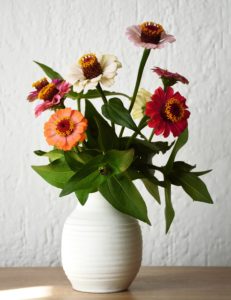
Bouquet of zinnia on the table on a blue background. Flowers in a vase. Copy space.

Leaves the stems long

Unless you are creating a traditional mound-shape arrangement, leave the zinnia stems long to allow for interesting shapes, forms, and dimensions within the design. Plus, there’s just something about longer stems that make them appear more elegant yet more naturally wild at the same time. 

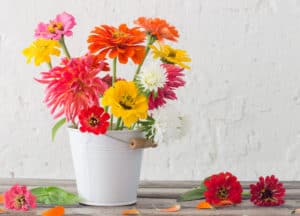
zinnia flowers in bucket on white background

Remove all the leaves from the stem

To highlight the interesting shape, line, and elongated form of the stem, it must be clean and free of all foliage. Removing all the leaves accomplishes this as well as enhances its linear quality. The natural curve of the stem does a great job of adding motion, action, and a dynamic quality to the design. 

Bouquet of zinnia flowers

Leave open spaces

Your instinct may be to group zinnias close together to create a voluminous mound of colorful petals, but leaving ample space in between individual stems produces the appearance of depth and openness while allowing the flowers to “breathe.”  An open arrangement such as this also allows the eye to fall upon each bloom, taking in its individual beauty rather than competing with an overabundance of petals. 

Flower bouquet in vase in a garden setting

Pair zinnias with skinny filler flowers and greenery

Most zinnia varietals have broad, smooth petals that are layered upon each other to create a full, ruffled look. To highlight this characteristic, avoid placing similarly wide-petaled blooms, such as hydrangea, roses, and daisies, next to zinnias, or the design might start to look overly poofy and monotonous. Instead, use finely-textured filler flowers and greenery such as celosia, globe thistle, feather eucalyptus, bear grass, Queen Anne’s lace, or baby’s breath. The contrast between the thin and the wide, the light and the heavy, and the flat texture with non-flat is what will make your design exciting and full of interesting energy.

Multi-colored zinnia flowers close-up on wooden table

Use double-flowering zinnias

Voluminous, globe-shaped, double-form blooms like Oklahomas, Queens, and Zinderellas are the best types of zinnias to use as they are gorgeous, lush, and eye-catching. These large, spherical blooms are perfect focal flowers, while single-petal varieties work well as secondary flowers in an arrangement. 

Close up of zinnia flowers in vase

Using the above design tips is a great way to start experimenting with creating striking designs with the unique shape, texture, and colors of zinnias. You just might find this under-the-radar-bloom is your new favorite flower to work with!

Posted on

How To Create Beautiful Mason Jar Floral Arrangements

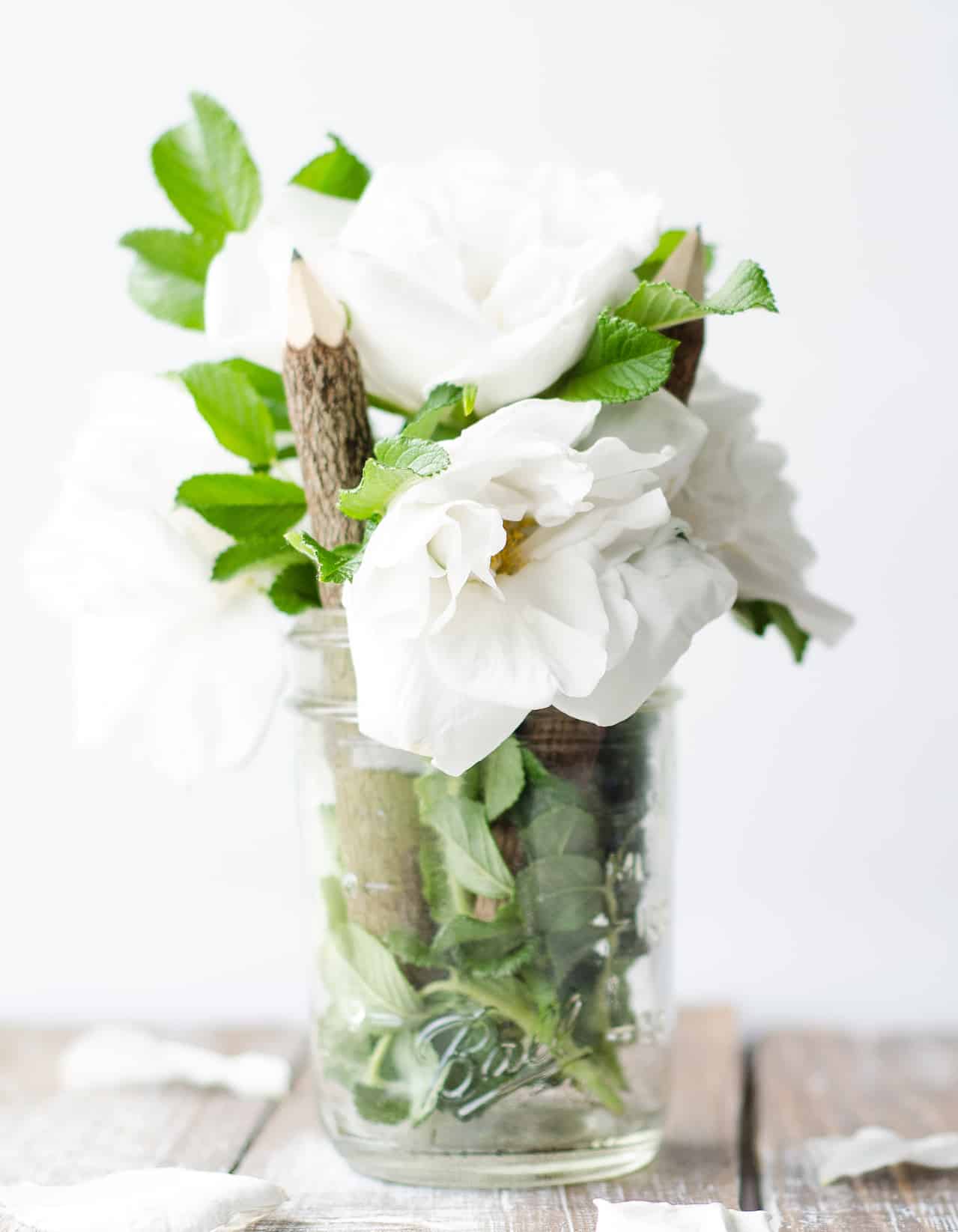
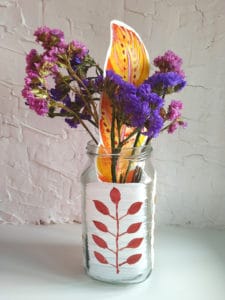
white gardenia flowers on wooden desk in mason jar

The simple yet classic mason jar has had a Renaissance of sorts as it’s seen everywhere these days and used in all manners of creative ways, such as decorative lighting, candle holder, plant jar, and a holder for anything you can imagine. If you’re a fan of Pinterest, then I’m sure you’ve seen many charming floral arrangements made with mason jars. We love them, too, which is why we are sharing some great tips with you on how to make beautiful mason jar flowers for your home or gifts to friends. 

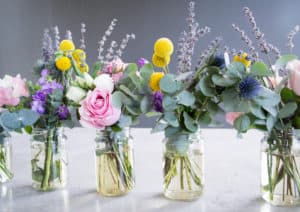
Flowers in jar, beautiful bouquet on table on gray background

Economic and lovely mason jar arrangements allow you plenty of room to use your creativity to make a variety of styles. Use the below tips as a starting point to then let your creative side bloom!

7 Simple Steps to Make a Mason Jar Flower Bouquet

1. Gather your foliage, blooms, and filler flowers. Trim the stems to a 45-degree angle and clear all leaves and debris off any part of the stems that will be in the water. 

2. Start with your foliage. Place a few stems of foliage into the mason jar so that each cut end rests against the side of the glass while the top part rests against the lid. These two anchor points help keep the stems in place.

Flower in Glass Jar

3. Add the focal flower. Any large bloom makes an excellent focal flower, such as a zinnia, dahlia, garden rose, sunflower, pom-pom mum, or large lisianthus. The focal flower is going to be the “front” of the arrangement, although it can still be viewed from all sides. 

4. Add secondary flowers. Smaller than the focal flower, secondary flowers should complement the focal flower by having a similar form or color. However, this is also where you can play with a variety of colors and shapes to see how it works in the design. 

White and pink daisy bouquet in mason jar on table background, fresh flower

5. Add a line element. Add height and volume to your arrangement with a long stem placed either vertically to draw the eye upwards or diagonally to draw the eye outwards. This is an optional step, but a tall stem helps make the arrangement appear fuller and bigger than it actually is. 

Colorful flowers. The bouquet in a decorative glass jar stands on the trunk of a tree. Brick wall in the background.

6. Add filler pieces. Add filler flowers or greenery to fill the empty spaces and create more volume and fullness to the arrangements. 

7. Add additional items. To bulk out your bouquet even more, add a few more filer flowers, sprigs of greenery, twigs, berries, etc., anything you’d like. 

A small bouquet of spring flowers in a mason jar on a wooden background. Still life photography

Take a Final Look

Once all of your pieces are in, take a final look and adjust as you see needed. The goal is to create a beautiful flower arrangement that appears full and colorful. What’s great about mason jar arrangements is that any type of floral piece or greenery looks amazing within it. Feel free to use what you have lying around, or fill it with blooms, wildflowers, or twigs you’ve picked up in your backyard. Simple and inexpensive but highly charming, mason jar arrangements make great gifts. 

Glass jar with pink purple flowers on a white wall background. Interior decorating.

Additional Decor Tips: 

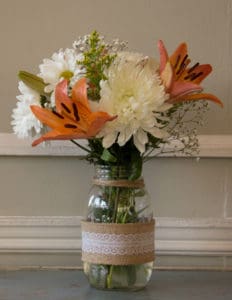
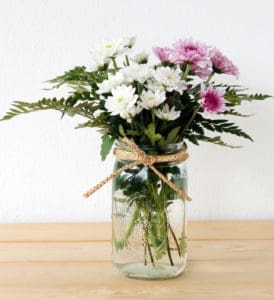
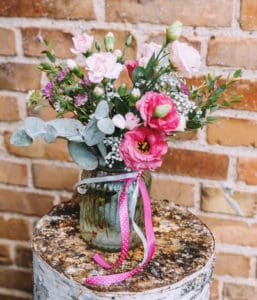
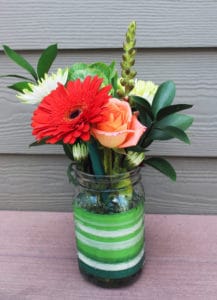
If you want to add a little pizzazz to your mason jar, wrap a colorful ribbon around the neck and tie a bow, or loosely wrap a piece of burlap around the jar’s body and secure it with twine for a beautiful farm-style look. Other ideas are to paint the jar, add glitter, glue on lace, or decorate with stickers. 

Posted on

How to Arrange Ranunculus Blooms

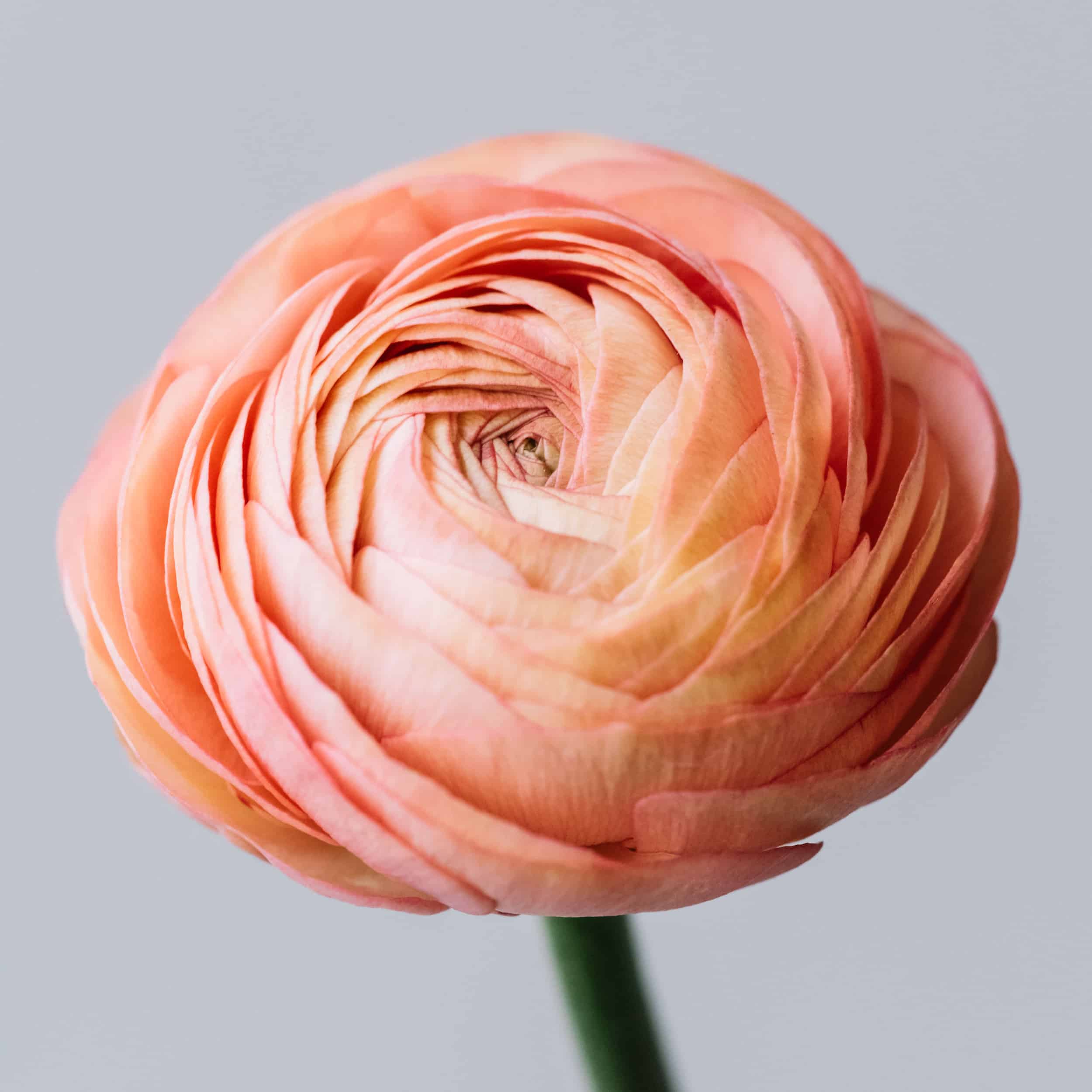
Beautiful fresh blossoming single salmon colored Ranunculus flower on the grey wall background, close up view

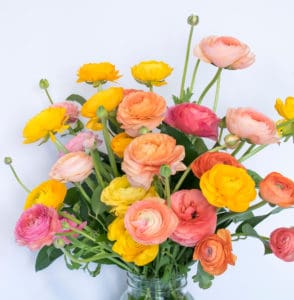
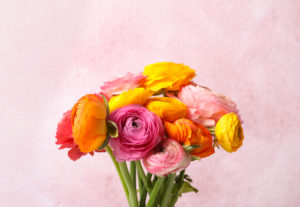
Beautiful, dainty, and striking, the ranunculus is one of our favorite blooms! Their paper-thin petals and lovely hues give them a timeless, classic look that evokes romanticism and femininity. A popular bloom frequently used in weddings, ranunculuses are great for everyday bouquets as well. If you’re ready to try your hand at creating a stunning arrangement with ranunculus blooms, then keep reading. The floral designs experts at Cascade Floral Wholesale have step-by-step instructions for working with the resplendent ranunculus!

Beautiful fresh ranunculus flowers on white background

About Ranunculus

Also known as a “buttercup,” the ranunculus flower is native to Southwest Asia and was introduced to Europe in the 16th century. The Ranunculus is distinguished by its numerous thin, crepe paper-like petals that wind tightly around its center until it is in full bloom, where the outer petals expand. Each ranunculus blossom sits atop a curvy stem, and the flowers come in white, yellow, cream, orange, red, purple, and pink colors. Keep ranunculus stems away from kids and animals as fresh ranunculuses are poisonous. 

Florist at work. Woman making bouquet of persian buttercup flowers (ranunculus)

Preparing the Ranunculus Stem

Strip each stem of any foliage that will fall below the water line, and then cut the stems at a 45-degree angle an inch or so from the bottom. Since the stems are hollow, they may split or become too soft when placed in water. To prevent this, wrap a string around the base of each stem just above the point you plan to make your cut. Once the leaves have been removed and the stems given a fresh cut, place them in a vase of room-temperature water that has added floral preservative. Allow the stems to sit in the water for at least 2 hours before being stored or worked with.

Bright Pink Yellow Peach Orange Ranunculus Fowers on White Backg

Tips for Creating an Arrangement with Ranunculus

Once you’ve selected the vase, fill it with warm water and add flower food. Starting on one side of the vase, place in a ranunculus stem and then place a second one on the opposite side. Go back and forth from side to side, adding greenery and other florals (if you like) to ensure the arrangement stays balanced. As the stems are curvy, work with the curve instead of against it. Placing the stems so they curve slightly outward and over the rim of the vase produces a nice effect where the flowers face you. Remember, not every stem will be fully bloomed, so leave room between them to allow space for when the buds are fully opened. 

As ranunculus stems are long and curvy, the flower makes it top-heavy, so they will need to be supported. The best way to do this is with a vase that has a long thin neck. Just a few fresh ranunculus stems and a piece of greenery in a bud vase are striking.

To easily create a full and balanced arrangement, use the chicken wire, tape-grid, or mason-jar technique. To add dimension and intrigue, cut the stems to varying lengths. If you need to fix drooping stems, place them in plastic straws. This works best if the straws can be hidden by the vase or in a full arrangement with plenty of other stems obscuring the plastic straws. 

Beautiful fresh ranunculus flowers in kitchen sink

Maintaining Your Arrangement

Keep your beautiful arrangement of fresh ranunculuses away from direct sunlight, hot or cold drafts, and pets. Every two days, give the stems a fresh cut with sharp scissors, change the water, and put in more floral nutrients. With proper care, ranunculus can last for 12 days!

For all your flower needs and DIY floral projects, Cascade Floral Wholesale is there for you! 

Beautiful fresh ranunculus flowers on color background

Posted on

A Guide To Popular Greenery

mixed-eucalyptus

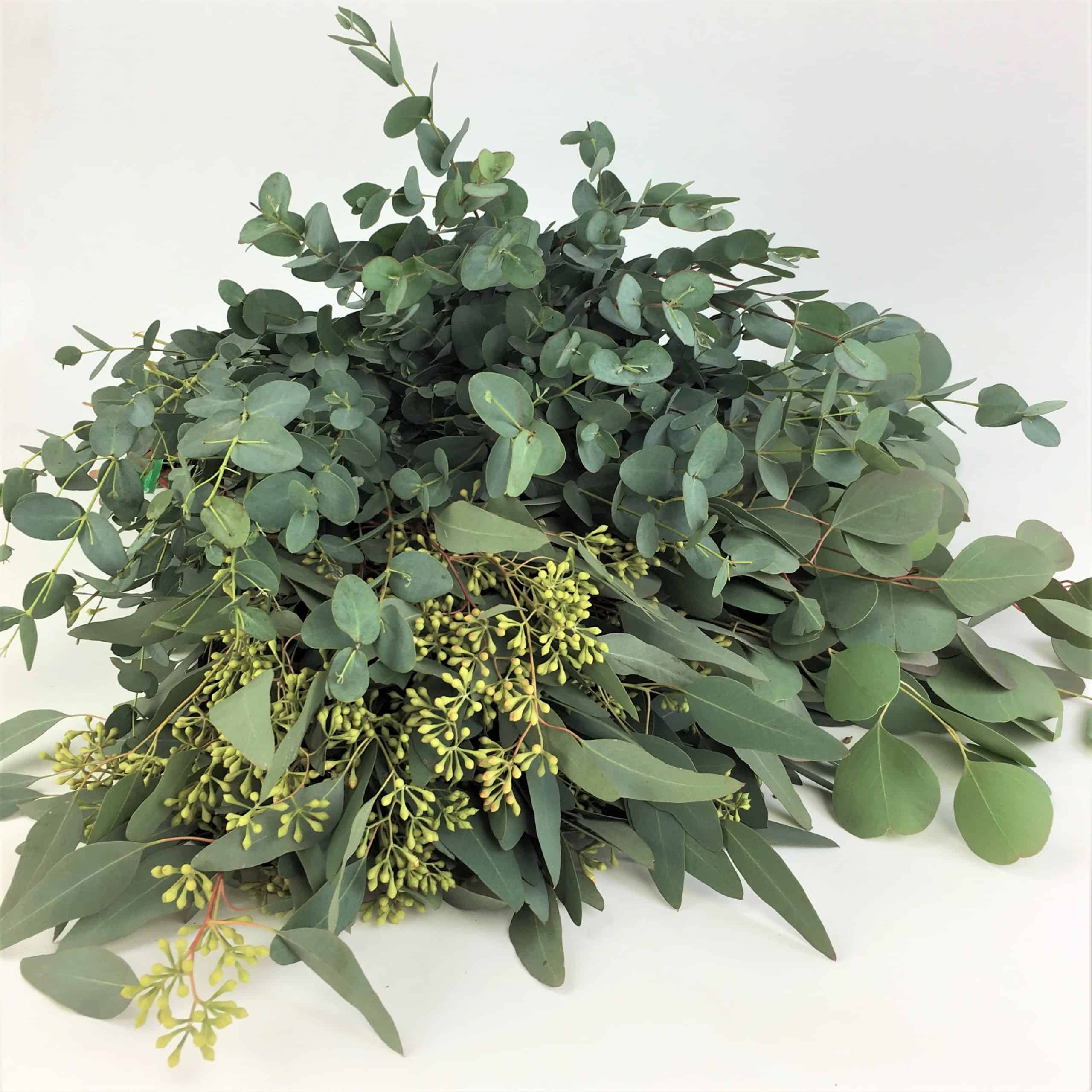
Flowers may be the star of the show, but with greenery working as their ever-important supporting cast and backup singers, the “show” is more well-rounded, complete, and so much more amazing. Nearly every floral design relies on greenery to bring the entire piece to life. Greenery provides support and a foundation for beautiful blooms, as well as offers contrast, texture, rhythm, spatial dynamics, and wonderful green colors which act as a neutral tone to give your eyes a rest. 

More than just filler, sprigs of greenery are key players in the overall effect of a flower design. For some florists, greenery is the design, as fabulous greenery pieces are starting to take center stage in bridal bouquets, centerpieces, and floral decor. According to the floral experts at Cascade Floral Wholesale, the only limit to how greenery can be used is your imagination! Below we list some of the more popular and versatile pieces of greenery we love working with. For even more options, browse our selection.

Italian Ruscus

Italian Ruscus

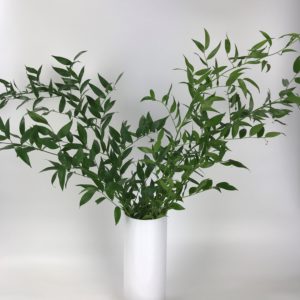
Italian Ruscus lends a vivid, vibrant green, and dynamic nature to floral designs. Beloved for its versatility, hardy stems, and slim, elegant leaves, Italian Ruscus works especially well in floral arches or trailing beautifully from a cascading bouquet. Place it in a bride’s hair for a Greek goddess effect, weave it down the middle of an event table, or place it atop a cake for a wonderfully natural addition. However you use it, the beautiful emerald green leaves of Italian Ruscusa are always up to the occasion.  

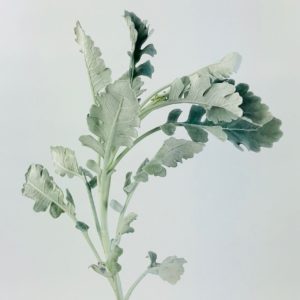
Dusty Miller

Dusty Miller 

For a soft, ethereal look, add a bit of Dusty Miller which evokes charm and mystery with its silvery-green leaves and fuzzy texture. When added in bunches to your floral designs, it resembles clusters of lace. There is nothing fragile about this greenery, though, as its stalk is sturdy, and the leaves are thick, belying its overall delicately romantic nature. Nestle it within bridal bouquets or centerpieces for a soft, understated elegant look. 

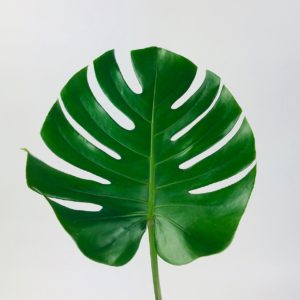
Monterra Leaf

Monstera

This gorgeous tropical leaf is from the Monstera plant, also known as the “Swiss Cheese plant” due to its dramatic and large holes. It’s a piece of greenery that is becoming increasingly popular, appearing as a focal point of green decor for events that lean toward the modern and tropical. Just one or two of these dinner-plate-sized leaves make a striking impact when used as table runners, centerpieces, or hanging greenery. They can even be used as placemats for food or the main piece of decor repeated in invitations, signage, dress patterns, and in the bridal bouquet.

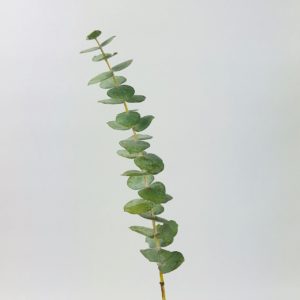
Spiral Eucalyptus

Spiral Eucalyptus

Spiral Eucalyptus brings a whimsical yet intriguing look to floral bouquets. They provide vertical accents with their straight sturdy stems that have numerous, smaller circular leaves growing off of them. When used in a bunch, the dynamic and voluminous look they create is rich with texture, rhythm, and patterns. The spiral Eucalyptus pairs well with most flowers and also looks great in a vase on its own. 

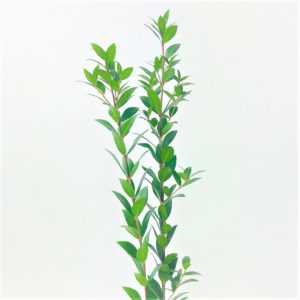
Myrtle Leaves

Myrtle

With long stems lined with glossy leaves in a pretty, mid-tone green, myrtle is a popular choice for many floral designers. Using multiple stems together creates lush, thick foliage that looks great in centerpieces. It’s also a wonderful addition to any decor piece for the home as it exudes a sweet fragrance. Myrtle symbolizes love, luck, and prosperity which is why it is often used in wedding decor. 

Spring of Tree Fern

Tree Fern

With a tuft of plumage sprouting from its top, tree fern brings softness, wispiness, and fun to any arrangement. Often used to add a touch of green to boutonnieres and corsages, this refreshing and versatile greenery provides airiness, texture, and allure to floral arrangements. 

Explore the many incredible ways to use a variety of greenery in your own floral creations, and don’t hesitate to ask us how we can help you find your perfect selection today. 

Posted on

Tips for Creating Flower Arrangements with Hydrangeas

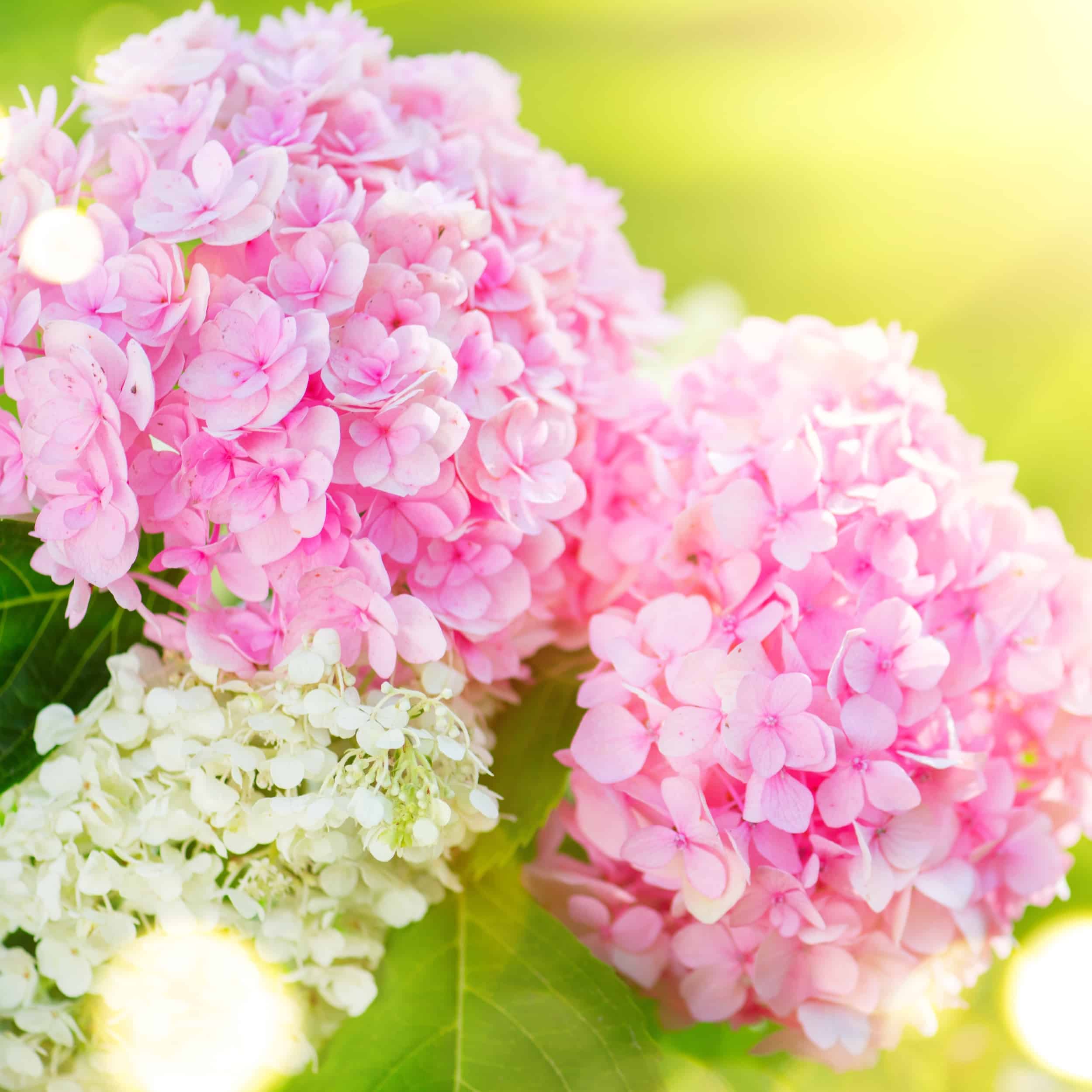
Hydrangea pink flower closeup. Beautiful Hortensia blooming in summer garden. Beauty pink and white colour Hydrangea flower close up. Nature floral backdrop. Easter, Birthday, Nature concept.

About Hydrangeas

A favorite bloom used in florist bouquets and popular at weddings, special events, and pretty much any occasion, hydrangeas are gorgeous, lush flowers that are as pretty as they are versatile. Notable for their large, showy blooms, the colorful pop-pom-like flowerheads of hydrangeas make them a great cut flower to display in vases. These ornamental blooms have been around for a long time and evoke an old-fashioned charm. With over 70 species and numerous varieties, hydrangeas come in various shapes, sizes, and colors such as blue, pink, red, purple, maroon, green, and white. 

Blue and pink hydrangea blooming flowers bouquet banner. Spring floral background. Copy space for text

Characteristics of Hydrangea

Hydrangeas are most commonly grown as shrubs with big beautiful blooms made up of clusters of smaller flowers called a “corymb.” The most commonly known variety of hydrangea is the “bigleaf hydrangea,” which has the lush, full, round blooms that enchant gardens and florist shops worldwide.

Tips for Creating a Floral Arrangement with Hydrangea

Because of the hydrangea’s large flowerhead, its stems will be top-heavy and can easily flop out of a vase if not positioned correctly. It’s important to choose a container with an opening that’s not too large or to create a grid system with tape to provide structure. 


Floral business concept. Florist woman makes bouquet of blue, yellow and green hydrangea flowers in shop for sale, flowers closeup. Working in floristic studio store. Creating professional bouquet.

Preparing the Stems

  1. The first step in working with hydrangeas is to cut off all of the leaves below the flowerhead. 
  2. Next, cut the stems at a 45-degree angle with sharp scissors. This allows for the maximum amount of area for the stem to soak up water. 
  3. After cutting the stem, dip the end into a jar of alum, which you can pick up at the grocery store. The alum keeps the cut end of the stem from gunking up and free to absorb water. 


still life with blue and pink hydrangea

Arranging Tips

For a simple yet charming arrangement, put 2 or 3 hydrangea stems in a vase. Cut the stems so the blooms are just above the rim. 

For a more complex arrangement, use an opaque container and the grid method with chicken wire or tape on the opening. Bold blooms such as roses, peonies, and dahlias pair great with hydrangeas. Spire-like flowers like delphinium, freesia, foxglove, and bells of Ireland are perfect for adding vertical elements to the hydrangeas’ low, rounded shape. Experiment with different colors and blooms of different colors, shapes, and sizes. Add some greenery for a more complete look.  

Beautiful wedding flower decoration

How to Keep Your Hydrangea Stems Fresher Longer

  • To help prevent wilting, put a few ice cubes in the water to keep the stems cool. 
  • Give the stems a trim and a change of water every few days to prolong their life. 
  • Dry your hydrangeas – keep them in a few inches of water in a dry, cool place away from sunlight. Once the water has evaporated, usually 2-3 weeks, the petals should feel dry to touch and ready to use in a variety of creative ways. 

For all your flower needs for DIY crafts or arranging, use Cascade Floral for the freshest, longest-lasting stems. 

Posted on

How to Arrange Roses

Roses are perfect for brightening any space, lifting our spirits, and filling us with a sense of calm as we gaze upon and admire their beauty, so why not make them a regular part of your life? Arranging fresh-cut rose stems into an enchanting design is easy. Below are two of the most popular flower arranging methods you can do yourself.

Close-up of male florist preparing flower bouquet at his flower shop

Prepping Your Roses

When you have your fresh roses in front of you, remove all the leaves along the stem and any brown or damaged petals. 

Choosing Your Vase

When choosing a vase, opaque is typically better than clear glass. A great vase shape is an hourglass shape that is wide at the bottom, eventually narrowing, and then flares out slightly at the top. Another popular vase shape is round which tends to be shorter but makes compact, striking floral designs. 

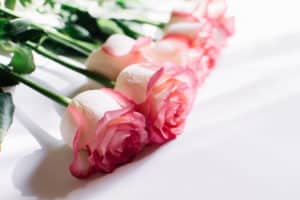
Beautiful bouquet of blooming long stem pink roses on white background.

Rose Arrangement #1 – European Hand Tie Method

Vase type – Hourglass

Fill the vase with tepid water no more than ¾ full. Add flower food. 

After the stems have been prepped, lay them out in front of you. 

Select a stand-out bloom to be your center rose. Add a second rose on an angle next to it so the stems criss-cross. 

Portrait of female florist in apron arranging fresh flowers for bouquet in the flower shop, using roses, hydrangea, peonies. Small local business

Continue adding roses in a circle ensuring the stems cross each other to create a domed effect for the buds and a sprawling look for the stems underneath.

Once you’ve used up all the roses or reached your desired size (or capacity for the vase), hold the bouquet next to the vase and cut off the stems so that rose heads are just above the lip of the vase. The roses are now ready to be placed into the vase. Fluff up and move individual stems as necessary, but the bouquet should be fairly tight with little to no gaps. If the arrangement is too loose and falls open, remove them and bind the bouquet at the base with twine or florist tape before placing back into the vase.  

Female florist holding fresh roses in vase

Rose Arrangement #2 – Tape Grid Method

Vase type – Round

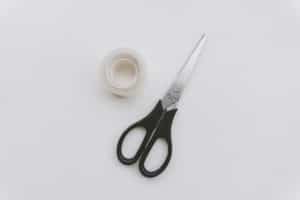
Fill the vase with tepid water ¾ full. Make sure the edges of the vase are dry. Next, cut strips of clear tape and place them across the top of the vase in a horizontal and vertical grid fashion. The grid will help keep your flowers upright as you build your arrangement, leading to a robust design with evenly spaced flowers.  

scissors and tape on a white background. office equipment for work

After the stems have been prepped, lay them out in front of you. 

Cut the Stems

In order to create a full, rounded dome look, cut the roses at varying heights (at ½ inch increments) so the shortest rest just above the top of the vase and the tallest is about 2 inches from the top of the vase.  

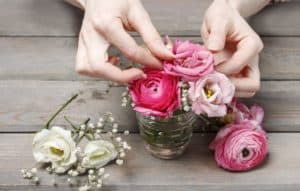
Woman making floral wedding decorations. Tiny bouquet of beautiful pink flowers

Arrange Your Stems

Start with the tallest bloom and place it in the very center. Surround this bloom with the second tallest stems in a circular fashion. Continue doing this with the shortest blooms making up the outside circle of the arrangement. The grid design is perfect for also adding greenery to add height and dimension. 

Wild roses bouquet in a glass vase

For all your wholesale floral needs, visit Cascade Floral to find the best, highest-quality, and longest-lasting blooms. 

Posted on

Beautiful Blue Flowers of Summer

We love summer flowers for their vibrancy, rich hues, and the vast array of poppin’ yellows, oranges, reds, pinks, and whites. Often hidden in the sea of brightly-colored blooms, summer’s lovely blue flowers command attention in their own right by complementing rather than competing with showier blooms. You can find blue flowers in a variety of shades ranging from baby blue, royal blue, navy blue, indigo, and blue-violet. 

In the language of flowers and color symbolism, blue represents serenity, tranquility, intelligence, and spirituality. Blue flowers evoke feelings of calmness and peacefulness and can promote relaxation and contentment. Coming home to a beautiful bouquet of blue flowers after a long day is a great way to decompress and enjoy their beauty. Blue flowers are very versatile and pair well with any other flower color, whether bright, dark, warm, or pastel. 

If you’re ready to experiment with blue flowers, here are some of our favorites we love designing with.

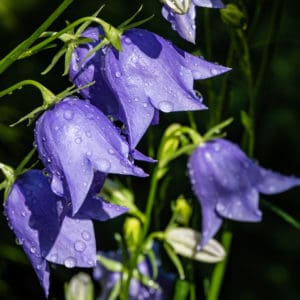
Purple blue flowers of Campanula persicifolia (peach-leaved bellflower) on blurred background. Selective focus. Close-up of petals with raindrops. Nature concept for design

Bellflower 

These lovely bell-shaped blossoms make great cut flowers. The bellflower is a perennial plant that offers up light blue to blue-violet colored blooms from June into October.

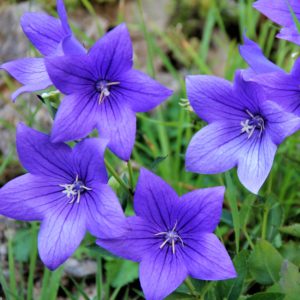
Balloon flower (Platycodon)

Balloon Flower

Ballon Flowers grow in clumps and are members of the Bellflower family. Instead of blossoming into the shape of a bell, these flowers unfurl into a beautiful star shape. Balloon flowers grow all summer long in an intense shade of blue-violet. 

Cornflower blooming in Japan

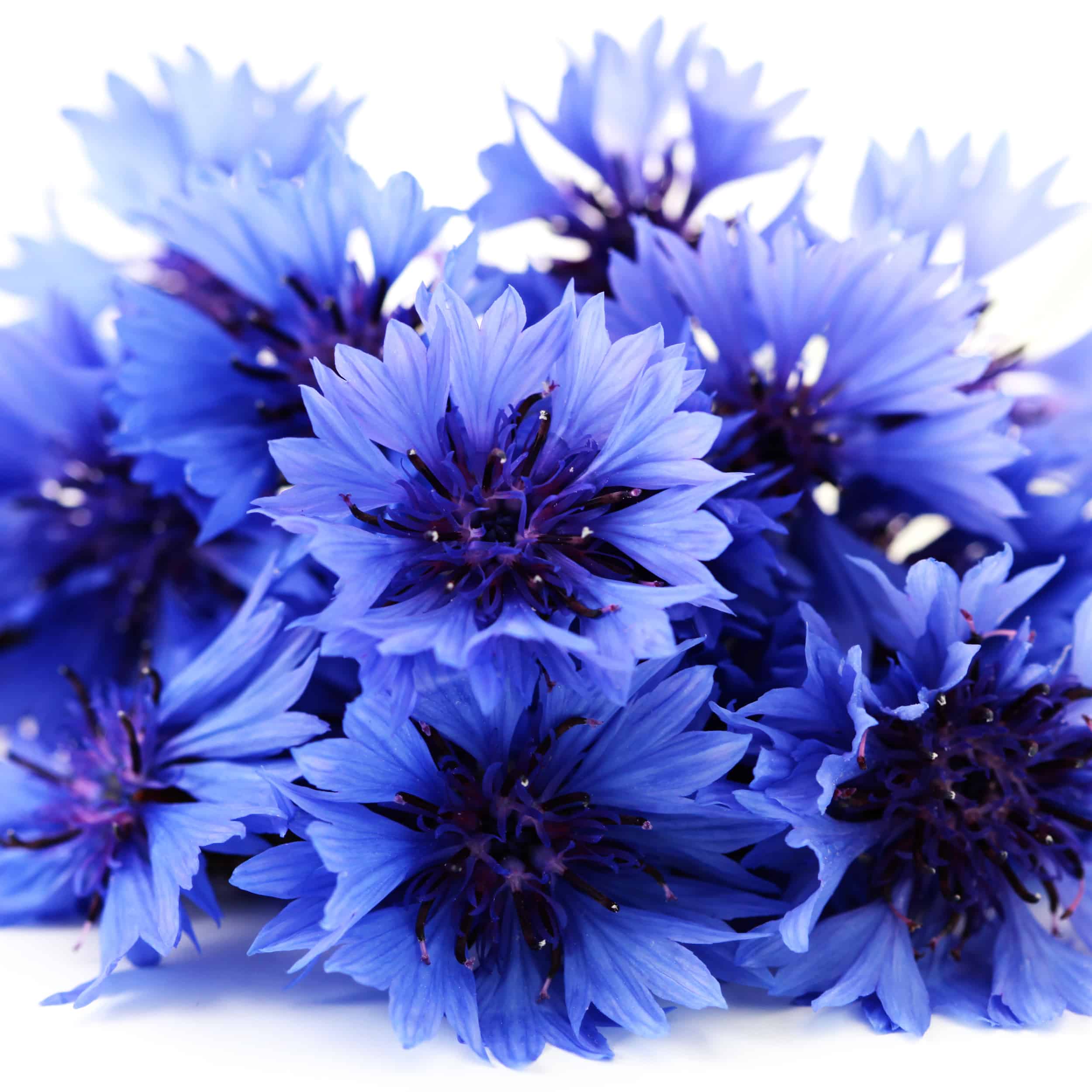
Cornflower

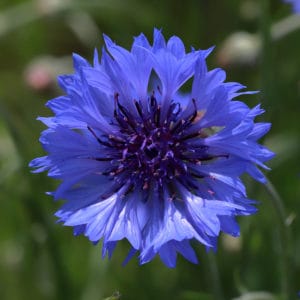
The charming, bright blue cornflower is an annual small bloom that resembles a tiny carnation. Also known as bachelor’s buttons, cornflowers are great cut flowers to add to any arrangement for shape, texture, and awesome blue color. They also are great blooms for drying. 

blue Delphinium flowers

Delphinium

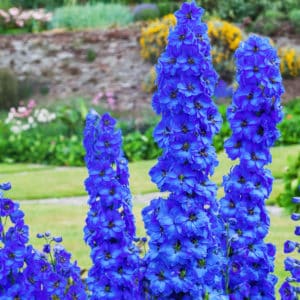
A tall flower with a column of bright blooms, delphiniums add drama to any garden or arrangement. These gorgeous blooms come in a shade of vibrant blue and have a lengthy vase life. 

Bouquet of blue forget-me on a wooden background

Forget-Me-Nots

These beautiful small flowers feature pink buds that bloom into delicate 5-petal blue blossoms. Each stem has its own small flower at the end but is surrounded by numerous others creating a full, voluminous effect.

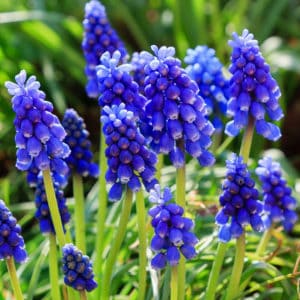
A muscari armeniacum flower or commonly known as grape hyacinth in spring garden

Grape Hyacinth

A tall stem with clusters of small round blooms that resemble grapes, the striking hyacinth flower comes in a variety of blue shades, from pale to intense blue-violet. Grape hyacinths are great for adding height, texture, and intrigue to floral arrangements. 

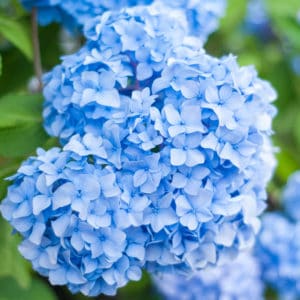
hydrangea blue hydrangeas summer

Hydrangea

A florist favorite, lush and bountiful hydrangeas are beautiful. The blue variety is particularly lovely and will add charm and grace to any floral design. 

Blue Morning glory

Morning Glory

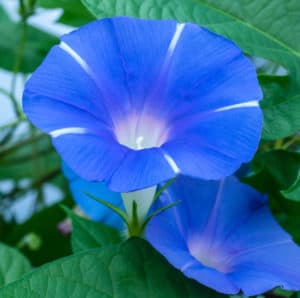
Morning glory flowers bloom on a vine and produce large, round blossoms with heart-shaped leaves. The beautiful morning glory comes in a vibrant blue shade with a yellow and white center, adding a bit of welcome contrast and drama.

Scabiosa columbaria close-up, Butterfly Blue, Small scabious, perennial herb with dissected leaves and up to 4 cm across lavender blue flower heads.

Pincushion Flower

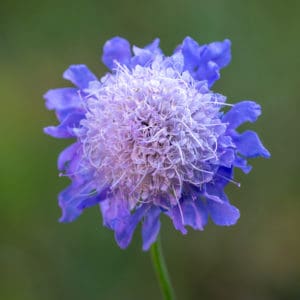
Also known as Scabiosa flower, these small, button-like blooms can steal away the attention of larger blossoms. Beautiful, unique, and growing in shades of dark blue, the pincushion flower is a wonderful accent flower to include in your bouquet.  

Sea Holly blue thistle Eryngium flowers growing in the garden

Sea Holly

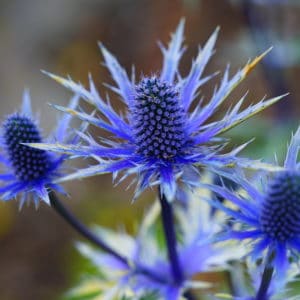
Another striking and mighty small bloom with a lot of character is the sea holly. Affixed to the end of tall stems and resembling the thistle, sea holly comes in a striking purple-blue color that is perfect for adding drama, texture, and height to your design.

From daisies to dahlias, delphiniums, and hydrangeas, Cascade Wholesale Flower has a large selection of summer blooms for all your floral projects. 

Posted on

Creating An Arrangement with Sunflowers 

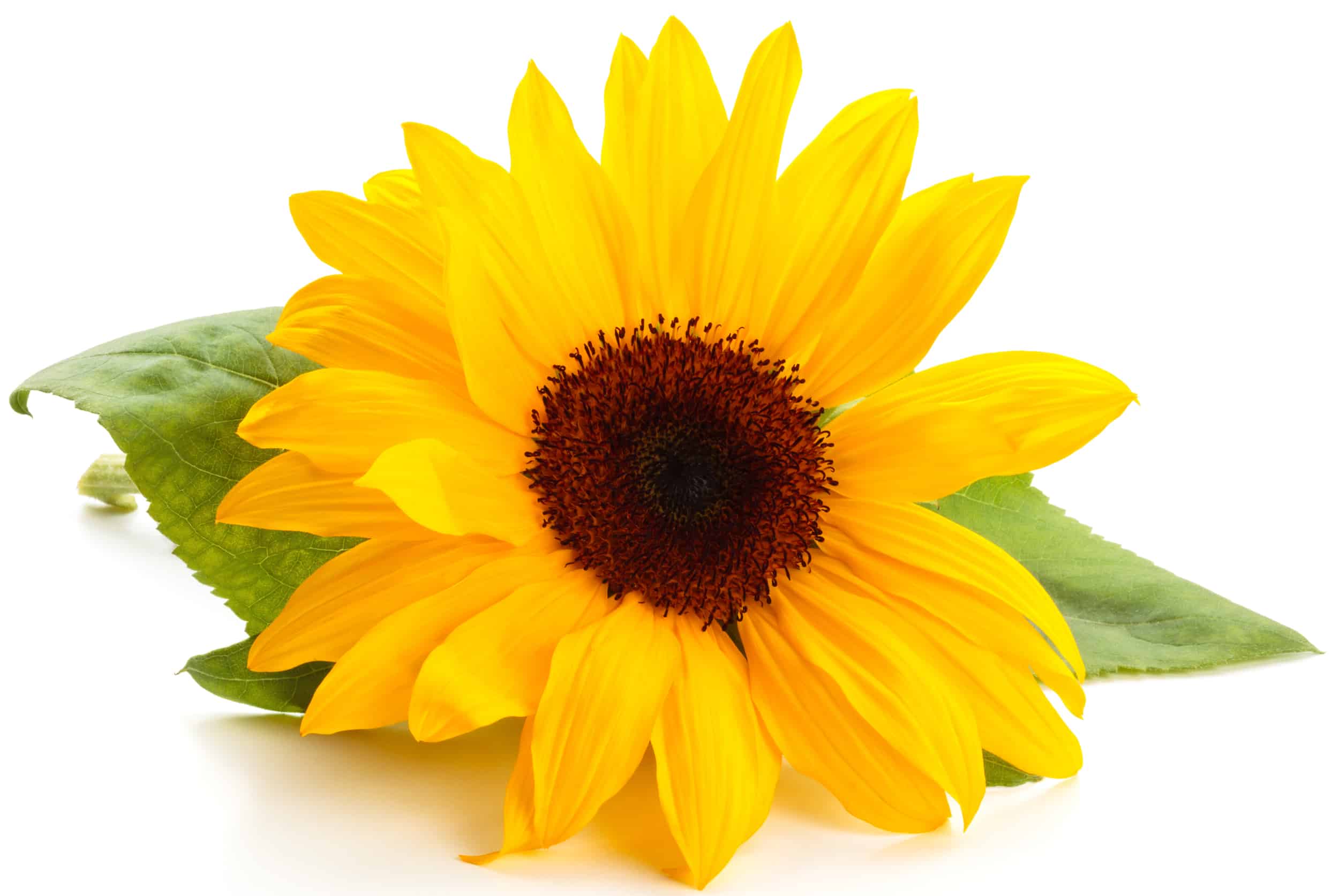
Sunflower with leaves isolated on white background.

There’s nothing like a bouquet of fresh, bright sunflowers to liven up a room and fill your spirit with cheer. These large, sunny blooms look great anywhere and are perfect for adding a vibrant pop of color to an arrangement of other flowers or striking when displayed on their own. Keep reading for tips on creating beautiful floral designs with the magnificent sunflower from Cascade Floral Wholesale

Sunflower with leaves isolated on white background.Sunflower Types
The large, bright yellow sunflower with a significant round center of brown is typically what most people call to mind when they think of a sunflower. However, there are actually over 70 species and hundred varieties of the sunflower (genus Helianthus). The sunflower genus is commonly broken down into three main groups, tall sunflowers, dwarf sunflowers, and colored sunflowers. 

Tall sunflowers are the ones you usually see in the fields where their large golden faces follow the path of the sun as it travels across the sky. With tall, sturdy stalks, these beauties can reach nearly 16 feet tall in their quest to reach the sun. 

Dwarf sunflowers are a result of hybridizing the bloom into a type that grows to three feet or smaller. These blooms grow in bunches and are great for filling in small spaces in gardens or floral arrangements. 

Colored sunflowers are also a result of hybridizing and have given us a beautiful array of sunflowers in pinks, oranges, burgundy, red, and mixed colors. 

Single-stem sunflowers are by far the most popular as they are easier for farmers to harvest, but they can also be found in branch varieties where multiple blooms are produced on a single stem.

Sunflower natural background. Sunflower blooming. Close-up of sunflower.
Design Aesthetics of Sunflowers

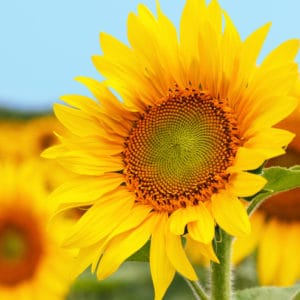
Due to this bloom’s large face with long petals and prominent center, its simple symmetry is one of its most striking features. Upon closer inspection, though, the rotund central bloom reveals hundreds of tiny flowers arranged in an intricate radiating design that draws in the eye. This feature is great for adding texture, movement, and pattern to floral arrangements. 

Flowers to Pair with Sunflowers

Sunflowers bring a lot of charm and happy vibes to arrangements due to their bright color, dramatic size, and interesting natural pattern. Floral designers often use them to add a color contrast or color transition to a bouquet as well as texture or size variant. Roses pair well with sunflowers as they are both showy blooms, and the rose offers a nice pattern variation when viewed beside the sunflower. Blooms that resemble a sunflower, such as daisies, work great to amplify and bring attention to its beautiful shape as well as provide volume. Asters and mums are excellent supporting flowers for the sunflower.

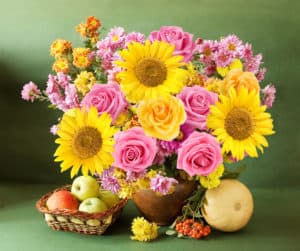
Still life with autumn flowers, sunflowers and roses, apples, rowan and gourd on artistic background

Sunflower Arranging Tips

Sunflower stems are very thirsty, so if you’re not designing with them right away, be sure to place them in water. When you are ready to begin making your bouquet, snip the stem to your desired length by making a 45-degree angled cut. If you are creating a mixed floral arrangement, add the sunflowers last. Since you’re working with fresh stems, they are not yet going to be in full bloom. Adding them into the arrangement last allows you to choose an area where they will have plenty of room to blossom. Remember, by nature, sunflowers are focal flowers, not supporting flowers, so place them accordingly for balance and interest. 

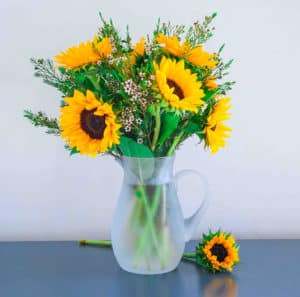
Sunflowers in a vase on a rustic, blue background

If you are arranging a bouquet of all, or mostly all, sunflowers, you need not worry much about placement. Just give each stem a fresh cut and put them into a vase. Next, take a look at the arrangement and adjust stem size, filler flowers, and/or greenery to ensure the sunflowers look tall and proud rather than flat. 

When done, place your lovely arrangement of sunflowers on your kitchen table or anywhere that needs a boost of cheeriness, then make another one for a friend. Get creative! There are all sorts of different arrangements, flower pairings, and colorful vase choices you can play with. Sunflowers are super easy to work with and always look great. 

Cascade Floral Wholesale makes your flower buying needs easy with a couple of clicks. Browse our latest selection of fresh-cut flowers and more. Wholesale flower delivery is available anywhere in the US.  

Posted on

Types of Flowers Used in Floral Arrangements – Focals, Fillers, Line Flowers, and Greenery

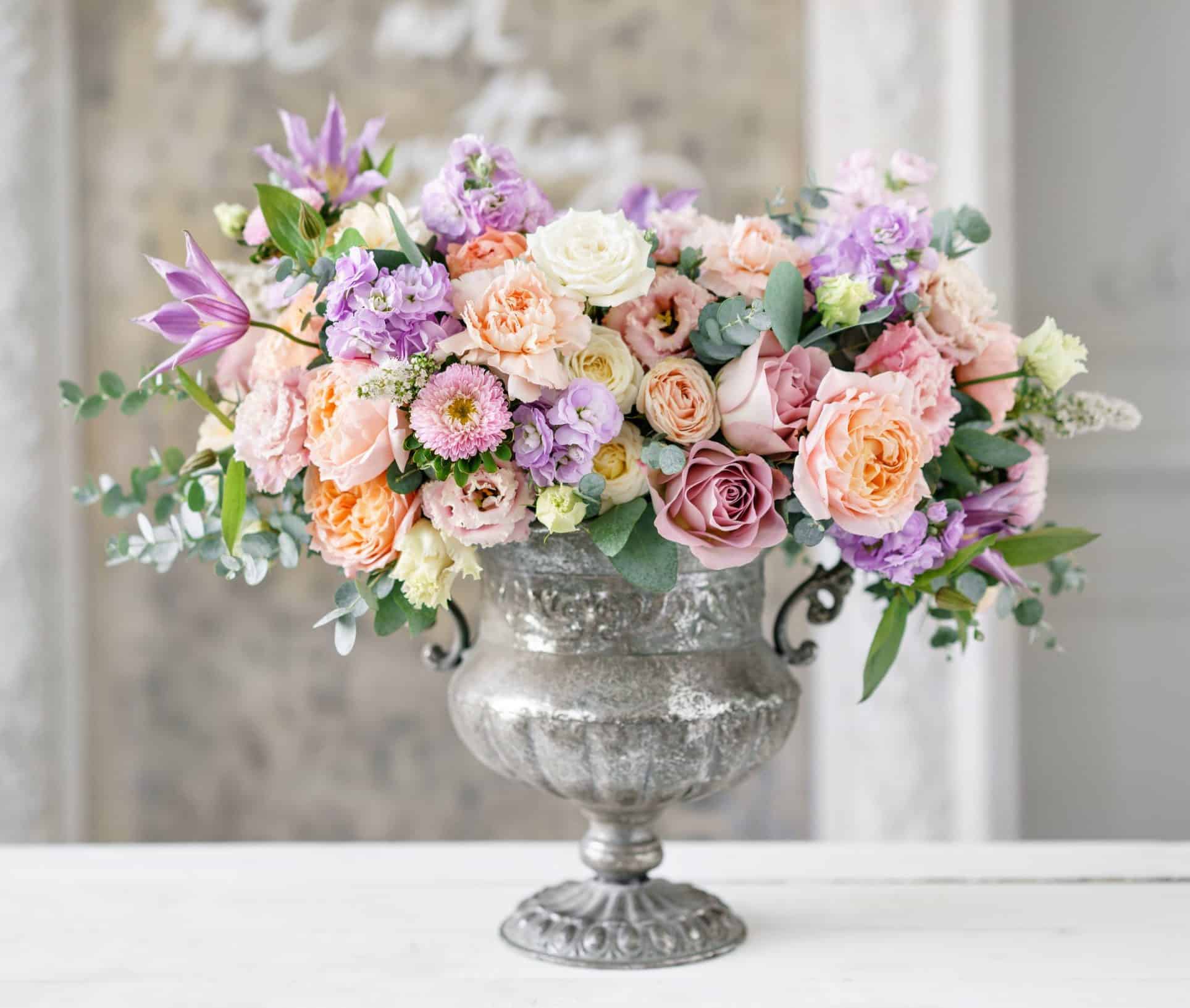
pink peach and purple pastel flowers in silver vase

A lot goes into creating a gorgeous arrangement of fresh flowers. With an endless number of possible floral combinations and hundreds of flower varieties to choose from, it’s important to know the essential “building blocks” of floral design. These building blocks encompass all flower varieties broken down into 4 categories: focal flowers, filler flowers, line flowers, and greenery. 

Each of the four types of flowers has a particular role to play and is an essential component in designing a balanced, lush, and visually appealing floral arrangement. Focal flowers draw one’s eye in, line flowers add height and vertical elements, filler flowers fill in the gaps, and greenery complements and bolsters the entire bouquet. Recognizing these different flower types, understanding the various roles they play, and how they work together is key to creating jaw-dropping, fabulous flower arrangements.   

Beautiful flower composition with autumn orange and red flowers and berries. Autumn bouquet in vintage vase on a wooden table with pink tissue and candles

Types of Flowers You Need to Create a Beautiful Bouquet

What Are Focal Flowers?

Focal flowers are blooms that immediately attract your eye due to their size, color, or attractive features. These florals are the stars of the show and typically consist of a large bloom on a single stem. Having a selection of one to four focal flowers in your arrangement is a good rule of thumb to go by.

Popular Focal Flowers: 

Mums

Garden Roses

Anemones

Ranunculus

Peonies

Dahlias

What Are Line Flowers?

Line flowers have multiple clusters of blooms that grow along a tall stem. They add height, shape, and vertical elements to a bouquet. Line flowers create the “setting” or framework and stretch the arrangement into its surrounding space. Line flowers create a shape that can be structured, closed, symmetrical, asymmetrical, or open. In contrast to focal flowers, which give your eye a place to rest, line flowers create rhythmic and flowing movement throughout the bouquet, which pulls all the parts into a cohesive, beautiful composition. 

Popular Line Flowers

Larkspur

Stock

Snapdragons

Delphinium

Bells of Ireland

What Are Filler Flowers?

Filler flowers fill in the gaps and make arrangements look full, lush, and complete. Typically, filler flowers are smaller than focal flowers, with clusters of blooms that provide volume, texture, variety, and different colors to the overall floral design. Often playing the role of “supporting cast” to the larger, focal flowers, filler flowers can be just as striking, breathtaking, and mood-setting as any rose, peony, or dahlia. Filler flowers can help you set the tone for the effect you’re trying to evoke, such as dramatic, traditional, sweet, passionate, or cheery.

Popular Filler Flowers

Thistle

Wax Flower

Spray Roses

Baby’s Breath

Carnations

Lisianthus

How Is Greenery Used in Bouquets?

Greenery is an essential part of floral arrangements as it completes the overall look giving the bouquet a lush, healthy boost of overflowing greenery to support the colorful blooms. Not only does greenery add texture and movement, but it also complements the vibrant hues of the flowers, gives the eye a place to rest, adds interest and variety, and can make a statement all its own. 

Popular Types of Greenery

Italian Ruscus

Eucalyptus

Leather Leaf

Dusty Miller

Myrtle

Breaking Down a Floral Bouquet – Focals, Fillers, Line, and Greenery

Designing a floral arrangement is all about creating balance and contrast, movement and pauses, drama and tranquility to express your own unique floral story. Now that you know the types of flowers to use and their roles, you can begin creating a symphony of gorgeous bouquets. It’s best to start by selecting one to four focal blooms, the greenery you want to use, and then choose which line flowers and filler flowers will add the final touches and bring your vision to life. The bouquet below is a good example of how the four different flower types work together to create a beautiful final product.  

Focal flowers: Dahlias and Garden Roses

Line Flowers: Blue Thistle and Celosia

Filler Flowers: Alstromeria and Baby’s Breath

Greenery: Myrtle and Eucalyptus


Beautiful flower arrangements for winter, spring, summer and autumn with colored backgrounds of white

Posted on

How to Make a Corsage in 5 Easy Steps

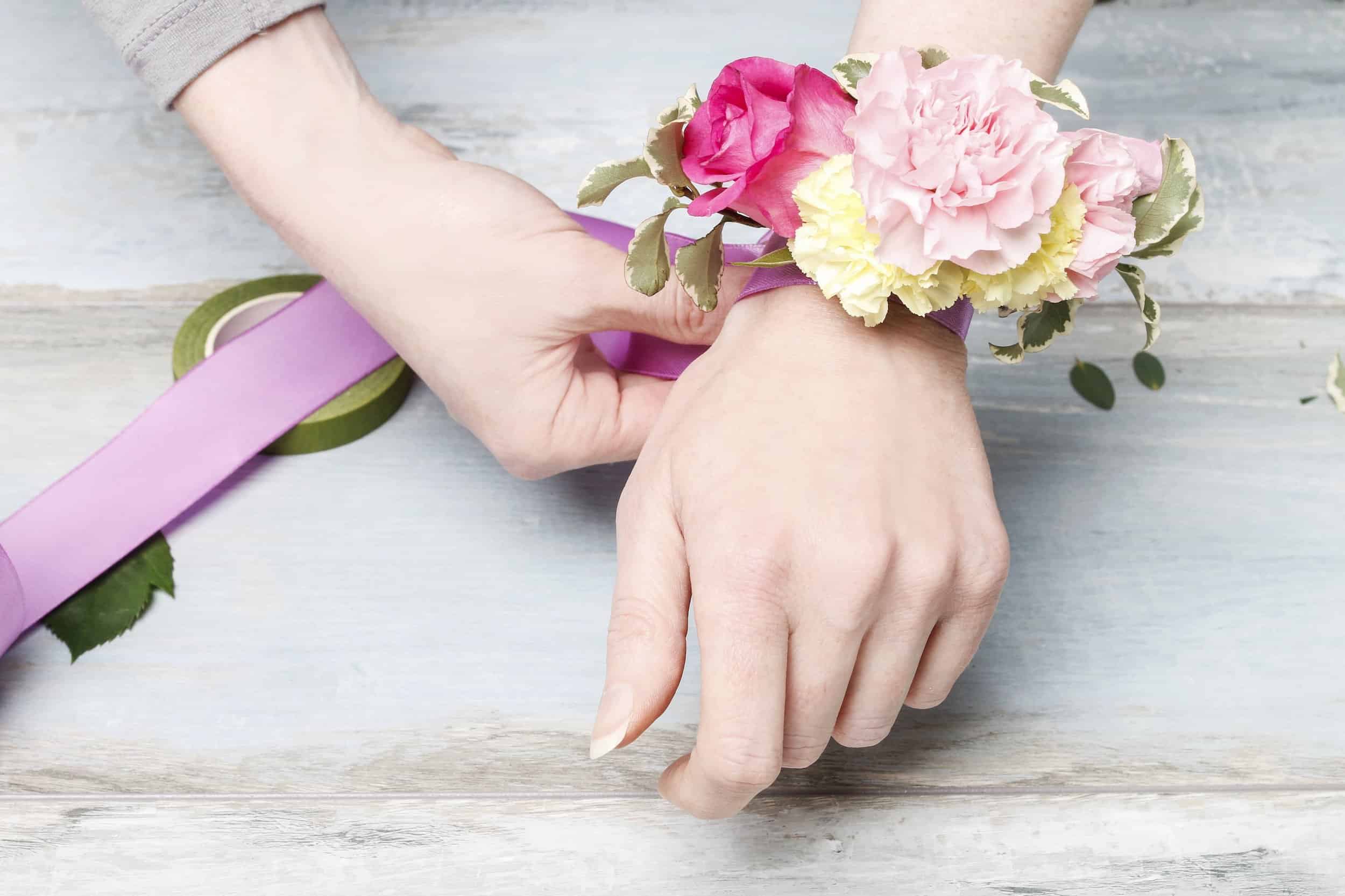
Florist at work: How to make a wrist corsage. Step by step, tutorial.

A great way to save money and have fun while completing a DIY project with fresh flowers is by making your own corsage. Whether it’s for a prom, wedding, or another special event, making a corsage requires just a few supplies and a few simple steps to follow. Here at Cascade Flowers Wholesale, we’re listing everything you need to create a pretty corsage for yourself or someone else in no time at all. 

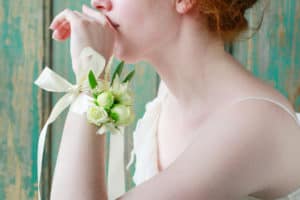
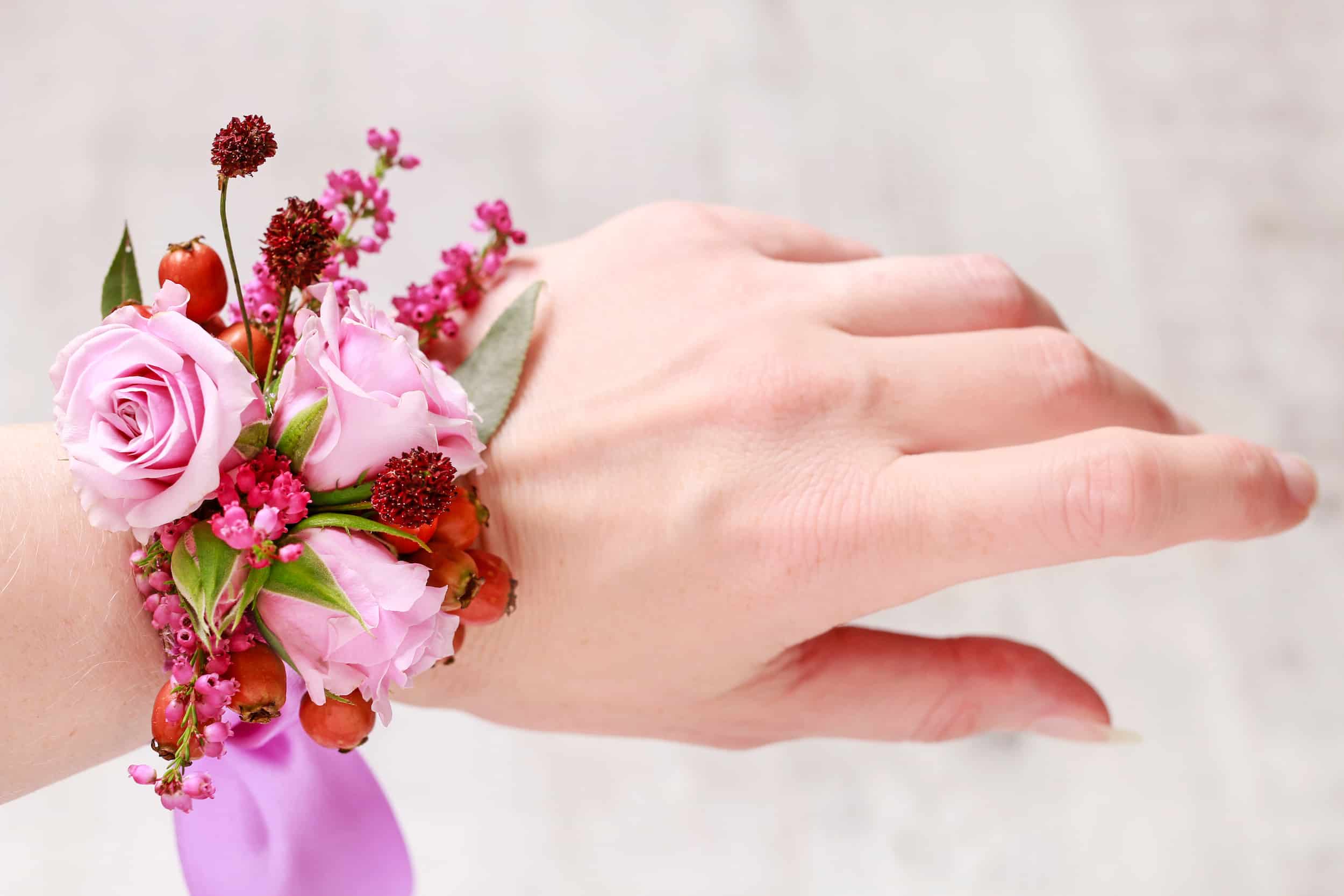
Bride wearing wrist corsage made of rose and eustoma flowers.

Make a Fresh Flower Corsage in 5 Simple Steps


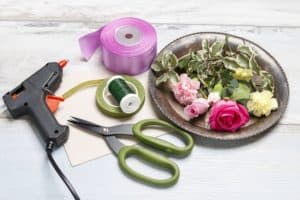
Supplies: Ribbon, shears, floral tape and wire, floral glue (or hot glue gun), wristlet.

Florals: 1 to 3 hardy flowers, 1-2 types of greenery, a filler flower

Florist at work: How to make a wrist corsage. Step by step, tutorial.

Step 1. Prep your flowers

Make sure the flowers you have chosen have been prepped so they are ready for you to work with. For example, guard petals should be removed along with any excess greenery, stems should be trimmed, and then the blooms should be placed in water until it’s time for you to make the corsage. For any greenery, trim each sprig down to about three inches. (For tips on the best flowers to use for corsages, go here).

Florist at work: How to make a wrist corsage. Step by step, tutorial.

Step 2. Cut and bind

Cut the stems off the flowers so that only ½ to 1 inch of stem directly underneath the bud remains. Wrap wire around the stems. This makes it easier to bend and move the flowers into your desired position. After wrapping with wire, start from the top of the bloom and wrap floral tape around the stem twice. 

Florist at work: How to make wrist corsage for bride using rose and eustoma flowers. Secrets of making floral jewelry. Step by step, tutorial.

Step 3. Assemble the primary blooms

Tape all of the primary flowers you are using together into one bundle. Next, tape the filler flower stems together in a separate bundle. Bind the two bundles together with wire, trim the ends, and then wrap with floral tape.

Wrist corsage made of ranunculus and freesia flowers.

Step 4. Attach flowers to the wristlet

Use florist wire to attach the bundle of flowers to a wristband, bracelet, or wristlet. The stem of the flowers should be pointing to the elbow. 

Florist at work: Steps of making wrist corsage for autumn wedding. Woman making beautiful bouquet of pink roses and heather.

Step 5. Attach ribbon

Use one wide ribbon or several smaller ribbons to form a bow. Use either wire or glue to hold the bow’s shape and adhere it to the bundle of flowers. After the bow is attached, your corsage is ready to wear! 

Tip: Make your corsage no sooner than the day before your event to keep the flowers at their freshest. 

Interested in making a boutonniere, also? Then check out our How to Make a Boutonniere in 5 Easy Steps blog! 

For all your floral needs, Cascade Floral Wholesale is your first stop! 

Posted on

The Best Flowers to Use for DIY Corsages & Boutonnières

Florist at work: Steps of making wrist corsage for autumn wedding. Woman making beautiful bouquet of pink roses and heather.

Corsages and boutonnieres are mini bouquets of flowers worn for a variety of occasions such as weddings, proms, dinner parties, special events, and anniversaries. If you enjoy crafting and want a go at creating your own corsages and boutonnieres then the first step is to know which blooms are best suited for these wearable works of art. The floral experts here at Cascade break it down for you to ensure you’ll have hearty blooms that will last and remain looking fresh and fantastic for your corsages and boutonnieres. 

Girls heading to prom with their flower corsages

Best Types of Flowers for Corsages 

Corsages are typically composed of three to five flowers that complement the wearer’s dress or the color theme of the event. Hardy flowers that can stand up to heat, constant movement, and no water source are what you’re going to want. 

Florist at work: Steps of making wrist corsage for autumn wedding. Woman making beautiful bouquet of pink roses and heather.

Roses

Roses are a popular choice for corsages because they are beautiful, come in a large assortment of colors, have hardy stems that can hold up to wear and tear, and have a lovely, sweet scent. Different-colored roses also symbolize different emotions and sentiments, so they are perfect for adding a “secret” or symbolic message to your corsage. Roses, or their smaller cousins, Spray Roses, can be used in bud form or fully opened with smaller blooms surrounding them for a classic, traditional look. 

Florist at work: How to make a wrist corsage. Step by step, tutorial.

Carnations

Carnations are also widely used in corsages due to the wide variety of single and two-toned colors they come in and their long-lasting quality. Corsages made up of all carnations in different colors or in the same colors are attractive and popular. As with roses, certain colors depict different emotions so use them accordingly. 

Florist at work. Steps of making wedding boutonniere with pink rose, ranunculus and white chrysanthemum.

Chrysanthemums

Mums are a classic choice and have been used for decades in corsages and boutonnieres due to their hardiness, wide array of bright colors, and shape variations. A striking bloom with numerous elongated petals, mums draw attention for all the right reasons. 

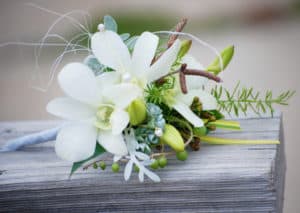
Ladies Floral Corsage of White Dendrobium Orchids and Decorative Materials. Wedding Flowers.

Orchids

If you’re going for a more elegant and exotic look, choose an orchid flower for your corsage.  Beautiful Phalaenopsis orchids come in bright hues such as vivid pinks, yellows, and purples, as well as white, soft pinks, light greens, and lavender. Orchid blooms look striking against a white or light-colored gown or a dark blue, gray, or black lapel. Due to their delicate petals, orchids are typically pinned directly onto the garment instead of worn on the wrist. A large orchid bloom surrounded by smaller accent blooms such as baby’s breath and trimmed with ribbon offers an elegant touch. 

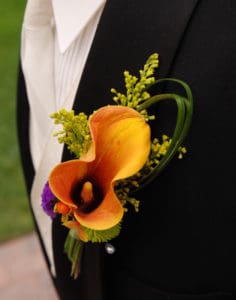
Orange Calla Lily boutonniere on black suit

Calla Lily

Another lovely and striking bloom that should be directly pinned to the garment is the Calla lily. Typically available year-round, this beautiful bloom comes in white, red, pink, peach, and dark purple. 

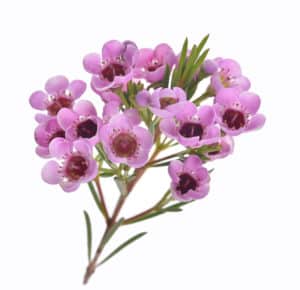
Australian native wild flower pink Geraldton Wax, chameleucium uncinatum isolated on white

Wax Flower

A charming small flower with a waxy appearance, these pretty blooms are excellent accent flowers surrounding larger, stand-out blooms in corsages and boutonnieres. In shades of light pink, white, or lilac, wax flowers provide subtle color and texture making your piece more attractive. 

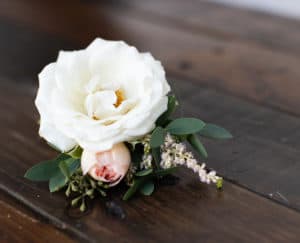
Wedding Boutonniere Lisianthus

Lisianthus

The elegant and lovely lisianthus are often compared to roses but are much more delicate looking. Don’t let its appearance fool you though, as this bloom is known for its hardiness and long vase life which make it a great choice for corsages and boutonnieres.

All of the above flowers are great choices for making boutonnieres as well! Wearing flowers to dances and festive occasions has been done for centuries and it’s a great way to make any event stand out and extra special. For all your flower needs and corsage-making materials, visit Cascade for the very best quality and freshest blooms. 

Posted on

How to Make a Boutonniere in 5 Easy Steps

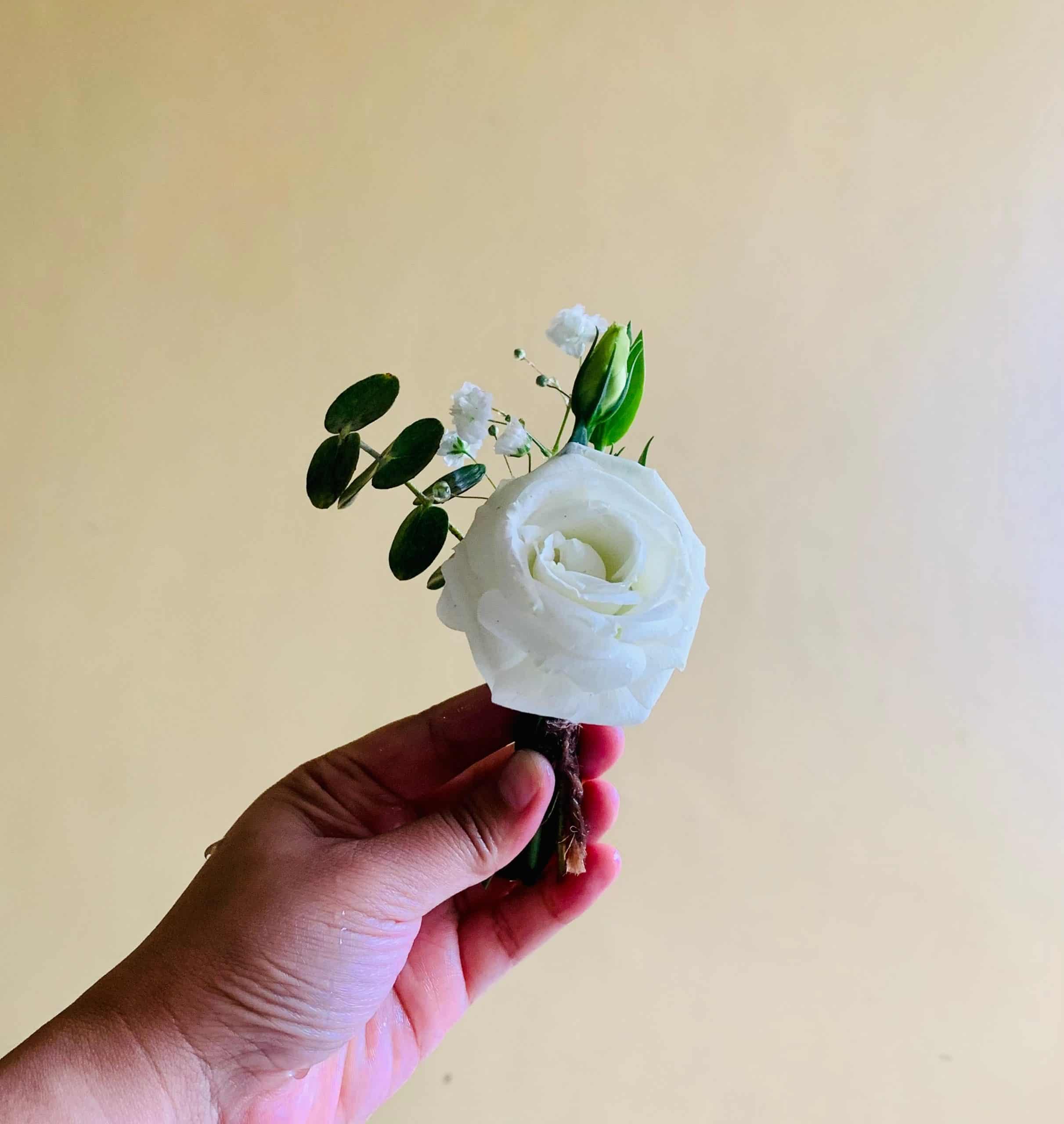
For those who like to take on DIY projects, or if you’re looking for a way to save money on your wedding, then you may want to consider making your own boutonnieres and corsages. It’s not that hard and you’ll have a completely unique design all your own being worn by the bridal party and getting captured in pictures. Just follow the below simple instructions and let your creativity take over. 

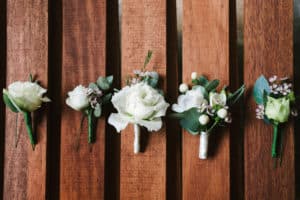
Top view of wedding boutonniere for the groom and bridesmaids on wooden background, free space. Wedding details outdoor with copy space. Wedding morning preparation

How to Make a Boutonniere

Before purchasing materials, decide just how many boutonnieres you will be making. The guide on who wears them is pretty flexible and up to the bride and groom, ultimately. Just having the groom wear a boutonniere is acceptable, or one for every groomsman or all the important males in the wedding, from dads to ringbearers. If you’ll be making a lot of them, you can save upwards of $20 per boutonniere! Here’s how: 

Choose the best blooms for boutonnieres

Hearty flowers that can hold up without a water source are best for boutonnieres. You’ll also want to select flowers and colors that will blend in with the overall floral design of the wedding. Blooms such as Spray Roses, Pansies, Ranunculus, Tulips, Mums, Calla Lilies, Billy Balls, and Carnations are all good options. Greenery and smaller accompanying flower choices include Baby’s Breath, Ivy, Eucalyptus, Heather, Italian Ruscus, Queen Anne’s Lace, or Wax Flowers. 

Materials Needed for Making a Boutonniere

Once you’ve selected your preferred blooms, there are a few more items needed to pull everything together: floral scissors or stem cutters, pins, floral tape, and ribbon (optional). The floral tape is a must-have as it is used to wrap around the flower stems sealing them which helps prevent wilting. If you want the floral tape covered up, adding a ribbon is a great way to hide it. 

Make a Boutonniere in 5 Easy Steps

Close up of florist's table as she is working on a groom's wedding boutonniere

1. Gather your flowers and greenery. Decide on 1 or 2 statement blooms, 2-3 smaller accent blooms, and greenery.

Process of making a boutonniere for the groom from cream and pink roses, ruskus leaves and pink gypsophila, top view

2. Cut all the stems to your desired length for the boutonniere. (A stem length of 2-3 inches is ideal for working with). Make sure stems are clean and any leaves from the lower parts have been removed. 

Close up of hands of female caucasian florist as she is working on a groom's wedding boutonniere of white and pink roses

3. Create your arrangement. Start with the statement bloom and add additional accents and greenery behind it. Play around with the arrangement, put an accent flower in front, for example, until you like what you see. 

Florist at work: How to make a wrist corsage. Step by step, tutorial.

4. Once you’ve settled on your design, wrap all the stems tightly with the floral tape. Neatly trim the stems of your boutonniere to the one-inch mark. If desired, wrap a ribbon around the floral tape starting at the bottom and continuing until the base of the flowers. Tie a knot and secure with a pin. 

boutonniere with white rose

5. Use the pins to affix to the boutonniere to the lapel of the wearer’s jacket, step back and admire your work!

When to Make Your Boutonniere

If you have time in the morning of the ceremony, that’s the best time to make your boutonnieres, just store them in a cool, dry place. Do not put them in the fridge. If you need to make them the night before, leave the stems exposed and place the boutonniere in a shallow cup of water. Leave in a cool, dry place overnight avoiding the fridge.