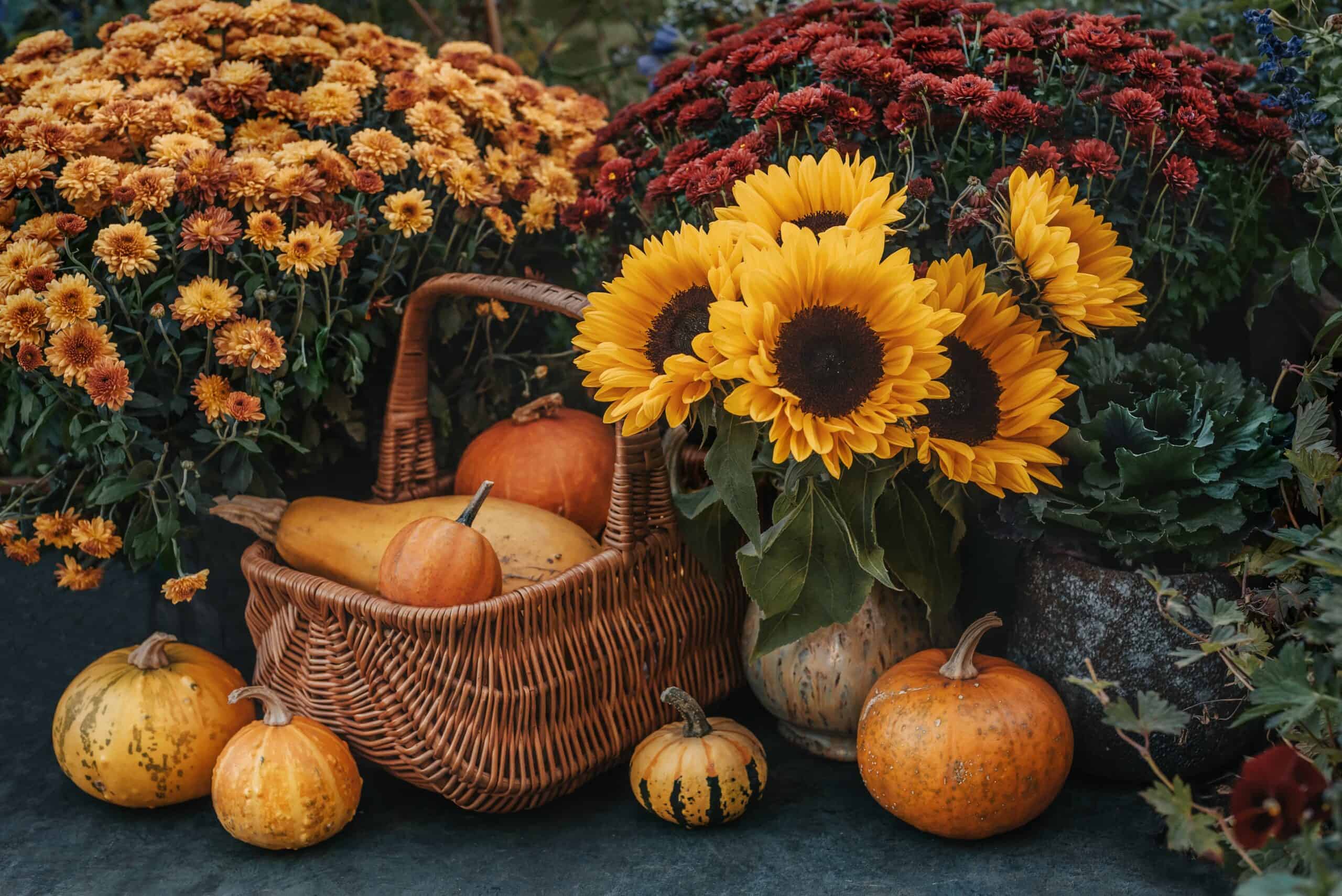
Posted on

Why We Love the Underrated Chrysanthemum

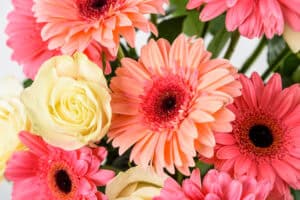
Pink Chrysanthemums

Let’s talk about the flower that doesn’t always get the spotlight it deserves: the chrysanthemum (aka mum if you’re on casual terms). While roses and peonies tend to dominate Pinterest boards and bridal bouquets, chrysanthemums are quietly showing up and showing off, especially in fall. And honestly? We think it’s about time this bloom gets its moment. If you’ve ever passed over mums at the florist or thought of them as just filler flowers, buckle up — at Cascade Floral Wholesale in Everett, Washington, we’re about to change your mind.

It’s the Ambassador of Fall Flowers

If autumn had an official floral mascot, it would hands-down be the chrysanthemum. Mums are the workhorses of the fall flower world. When most summer blooms are winding down, chrysanthemums are just getting started, blooming in abundance when the air turns crisp and the pumpkin spice candles come out.

You’ll spot them in front porch planters, fall wedding centerpieces, and seasonal arrangements because they can handle the cooler temps and keep their cheerful shape for weeks. They bring that perfectly cozy, golden-hour energy to your home or event, like fall in flower form. The vibe is flannel blankets, mugs of cider, and yep, a vase of fresh mums on the kitchen table.

Chrysanthemums in bucket near pumpkin

So Many Types, So Little Time

One of the best things about chrysanthemums is how incredibly varied they are. There are dozens of different types, each with their own personality. You’ve got button mums (those cute, round little ones that add texture to bouquets), spider mums (with their wispy, dramatic petals that almost look like fireworks), daisy mums (classic and happy), and football mums (large, fluffy, and totally homecoming-worthy).

For styling a casual arrangement or designing a high-impact floral installation, there’s a mum variety that fits the mood. They play well with others in mixed arrangements but are also striking enough to stand solo in a minimalist vase. That’s some serious range.

Orange chrysanthemums

A Kaleidoscope of Color

Mums come in practically every shade you can dream of: creamy whites, buttery yellows, rich golds, warm rusts, deep purples, cranberry reds, even greens and bi-color blends. If you’re going for a fall-inspired palette, you’re golden (literally). But they’re not just for autumn; their rainbow of color options makes them a year-round favorite for all kinds of occasions.

Want to style a monochromatic moment? Grab a bunch of lavender spider mums. Planning a moody, jewel-toned dinner party? Mix burgundy mums with plum calla lilies and navy thistle. Looking for something cheerful for a birthday or just because bouquet? Peach and yellow daisy mums deliver. It’s their color versatility that makes chrysanthemums feel both timeless and trendy. (And yes, we do love a flower that can keep up with the vibe shifts.)

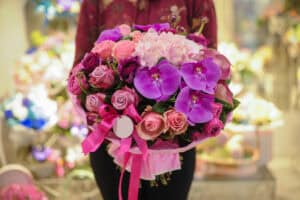
Pink, purple, and white chrysanthemums

They Have a Long Vase Life

If you’re the kind of person who gets emotionally attached to your floral arrangements (hi, same), then you’ll love how long chrysanthemums last. These blooms are known for their impressive vase life. With proper care (e.g. clean water, a quick stem trim every few days, and keeping them out of direct sunlight), mums can look fresh for up to two weeks or longer.

That makes them one of the most practical flowers you can bring into your home or gift to someone else. Long-lasting = more joy, more value, more reasons to stop and smile at that vase every time you walk by. Plus, if you’re decorating for an event and need arrangements that will hold up beautifully from set-up to breakdown, mums have your back.

Chrysanthemums in a vase

Symbolism with Depth

Chrysanthemums as meaningful as they are cute. In many cultures, they carry deep symbolism, which makes them even more special to include in your floral story. In Japan, the chrysanthemum is a symbol of the Emperor and represents longevity and rejuvenation. In China, it’s associated with nobility and elegance. In Western traditions, they often symbolize loyalty, friendship, and honesty.

And while they’re sometimes used in memorial or funeral arrangements, that’s actually part of their beauty. Chrysanthemums can express a full spectrum of emotions, from joy and celebration to remembrance and reflection. They’re flowers that feel real, which is why we love using them in meaningful arrangements that go beyond aesthetics.

Green Chrysanthemums close-up

The next time you’re planning your flower order, don’t overlook the mighty mum. At Cascade Floral Wholesale, we’re all about giving love to underrated blooms, and mums have totally earned their crown (fun fact: the name “chrysanthemum” comes from Greek words that mean “golden flower”). So let’s raise our mugs of cinnamon tea and toast to this floral fave. It’s bold, it’s beautiful, and it’s finally getting the attention it deserves.

Posted on

Our Favorite Flowers for Classy Halloween Arrangements

Loose arrangement of roses on outdoor table

On Halloween, we all know the drill: pumpkins, skeletons, cobwebs, and lots (and lots) of orange. But if you’re like us, you want your Halloween décor to be a little more elevated — a little more chic haunted house and a little less party-store plastic. That’s where flowers come in. Halloween florals can be just as spooky as they are sophisticated, and choosing the right blooms makes all the difference. We’re talking dark, moody, and dramatic tones mixed with elegant shapes and rich textures. At Cascade Floral Wholesale in Everett, Washington, we’re diving  into our top picks for flowers that bring the perfect touch of mystery and beauty to your Halloween arrangements.

Chrysanthemums: The Moody Classic

Let’s start with a fall favorite that never goes out of style: chrysanthemums. These beauties are the MVPs of autumn floral design. Their layers of petals add texture and depth, and their wide variety of shapes and sizes make them super versatile. For Halloween, we love choosing mums in rich jewel tones like burgundy, bronze, burnt orange, and even deep purples.

What makes chrysanthemums ideal for classy Halloween arrangements is their symbolism. In many cultures, they represent transition and remembrance, so they naturally fit the theme of the season. When arranged with darker blooms or deep foliage, they bring balance and warmth, making your spooky scene feel just the right amount of inviting. Plus, they last forever (well, almost), so your arrangement will stay stunning through the whole Halloween week.

Chrysanthemums in moody flower bouquet

Roses: Dark Romance in Bloom

Roses may represent Valentine’s Day to some, but hear us out! They’re also one of the most hauntingly beautiful additions to a Halloween arrangement. We love the variety of colors, too: deep red, velvety black (yes, black roses exist!), or even pale peach roses that look like they’ve been kissed by a ghost.

The key with roses is all in the styling. Pair a black rose with dusty eucalyptus, maybe a few dried accents, and you have a romantic, gothic vibe that’s more “Victorian vampire” than trick-or-treat. Roses also carry a deep emotional resonance, like love, loss, longing,  which fits the whole seasonal mood of shadows and transformation.

Pale bouquet of flowers in a pumpkin

Scabiosas: Whimsy with a Side of Witchy

If you’ve never worked with scabiosas, prepare to become obsessed. Also called “pincushion flowers” (cute, right?), these little blooms bring a magical, almost otherworldly quality to arrangements. Their delicate, frilly petals contrast with a dark center that looks like it came straight from a spellbook.

For Halloween, we especially love the varieties in dark plum, inky purple, or nearly black shades. Scabiosas are ideal for adding movement and surprise. They peek out between larger flowers, adding a wild and wispy element that softens the arrangement and gives it that ethereal, enchanted-forest feel. There’s also something charmingly eerie about scabiosas. They’re beautiful, but with a slightly odd, mysterious vibe. They make your arrangement feel like it’s been plucked from an ancient apothecary garden. (We’re kind of into that.)

Black Scabiosa flower close up

Dahlias: Bold, Beautiful, and Slightly Mysterious

Dahlias might just be the drama queens of the flower world and we mean that in the best way. Their lush, intricate petals and full, rounded shapes give any arrangement a sense of luxury and abundance. For a Halloween arrangement that feels rich and sophisticated, dahlias are a must.

Go for the dark, moody hues, like deep orange, burgundy, maroon, plum, or even black-tipped petals. These colors play so well with neutrals and greens, creating that perfect high-contrast look that still feels cohesive. Dahlias also hold their own next to other statement blooms, so they’re great for anchoring your arrangement while letting smaller, spookier details dance around them. There’s a vintage charm to dahlias, too; they harken back to old-time gardens and forgotten love stories. We love them in antique-style vases or paired with dried elements like seed pods or curly willow for extra texture.

Dahlia centerpieces on spooky banquet table

Gerbera Daisies: A Pop of Unexpected Playfulness

Now hear us out: Gerbera daisies in a Halloween arrangement? Yes! While they’re usually associated with cheerful spring and summer bouquets, they can bring an unexpected (and totally stylish) twist when used thoughtfully in autumn designs.

Gerberas come in incredibly saturated colors, including fiery orange, blood red, and even deep raspberry tones. Their bold, graphic shape adds visual punch to an arrangement, and when mixed with moodier flowers (like scabiosas or dark roses), they provide just the right pop of brightness without feeling out of place. Use them sparingly as focal points to create contrast and energy. The result is a Halloween arrangement that feels modern and whimsical, ideal for someone who loves a good balance of spooky and stylish.

Red gerbera daisy on black background

Halloween doesn’t have to be all kitsch and candy. With the right flowers, you can create arrangements that feel elegant, mysterious, and seasonal. For decorating your front porch for trick-or-treaters, setting a dramatic tablescape for a fall dinner party, or just treating yourself to a little moody beauty (we highly recommend it), these five flowers are our go-to picks for classy Halloween vibes.

Play with textures. Embrace deep, rich colors. And don’t be afraid to mix fresh flowers with dried elements or dark greenery for extra dimension. This season is all about contrast: light and shadow, beauty and eeriness, tradition and surprise. At Cascade Floral Wholesale, we keep Halloween classy — and just the right amount of creepy.

Posted on

Ways to Use Dried Lavender to Spruce Up Your Space

Lavender wreath on painted wooden slats

There’s something undeniably soothing about lavender, thanks to its soft color, delicate shape, and of course, that signature calming scent. Lavender fits effortlessly into all kinds of spaces, but dried lavender has its own special magic. It lasts for months, holds its fragrance beautifully, and adds an earthy, elegant note wherever it’s placed.

If you’re looking for simple, beautiful ways to bring a little fresh Zen into your home, the experts at Cascade Floral Wholesale in Everett, Washington think that dried lavender might be your new favorite styling tool. From centerpieces to closets, here are some warm and easy ways to zhuzh things up.

Add a Bundle to a Vase for French Farmhouse Vibes

Sometimes the simplest ideas are the most impactful. A bunch of dried lavender arranged in a clear or ceramic vase can bring so much character to a room. Think of it like the casual-chic version of fresh flowers: no water required, no flower food needed, just organic texture and effortless style.

Place a lavender bundle on a kitchen windowsill, your bedside table, or a guest room dresser for a subtle, homey look that feels straight out of a countryside escape. Pair it with rustic accents like wood, linen, or vintage glassware to complete the vibe.

Dried lavender in vase on table with cloth

Tuck Sprigs into Wreaths or Wall Decor

Dried lavender is beautiful on its own, but it also plays well with others. Add sprigs to a seasonal wreath, garland, or dried floral wall hanging for a pop of soft purple and a calming scent that lingers. Lavender works beautifully with dried eucalyptus, wheat stalks, bunny tails, and other neutral-toned elements.

If you’re feeling crafty, try making a simple lavender wreath for your front door or kitchen wall. It will smell amazing while giving your space an element of beauty that feels sophisticated and intentional.

Lavender wreath on painted wooden slats

Use Lavender in Table Settings and Centerpieces

Hosting a dinner party or just want your table to look styled? Lavender is a lovely way to dress things up without going over the top. Tuck a small sprig into each folded napkin, or tie a few stems with twine and place them on each plate. The look is clean, natural, and makes your guests feel cared for.

For centerpieces, dried lavender can be added to mixed dried arrangements, clustered in short jars, or even laid loosely down the center of the table with candles. It’s fancy without being fussy.

Lavender in vases on table set for fall meal

Bring Calm to Your Bathroom or Bedroom

Lavender is well-known for its relaxing properties, which makes it a perfect fit for the rooms where you rest and reset. In the bathroom, place a small bundle in a glass container on a shelf or next to your bath products for a spa-like feel. In the bedroom, a bunch of dried lavender in a bedside vase or tucked into a drawer brings a subtle scent that promotes calm and better sleep.

Want something extra cozy? Create little lavender sachets and place them in your pillowcase, dresser drawers, or even tucked inside a robe pocket. These make wonderful gifts, too!

Dried lavender in vases in bathroom

Let Lavender Add Peace to Your Place

Dried lavender is one of those simple pleasures that does a little bit of everything. It calms the senses, adds beauty without effort, and works well in both styled and everyday spaces. Looking to add dried lavender to your decor toolbox? At Cascade Floral Wholesale, we’ll help you find the perfect bundle to bring its nuanced powers into your world.

Posted on

How Fresh Flower Arrangements Promote Calm at Home and in the Office

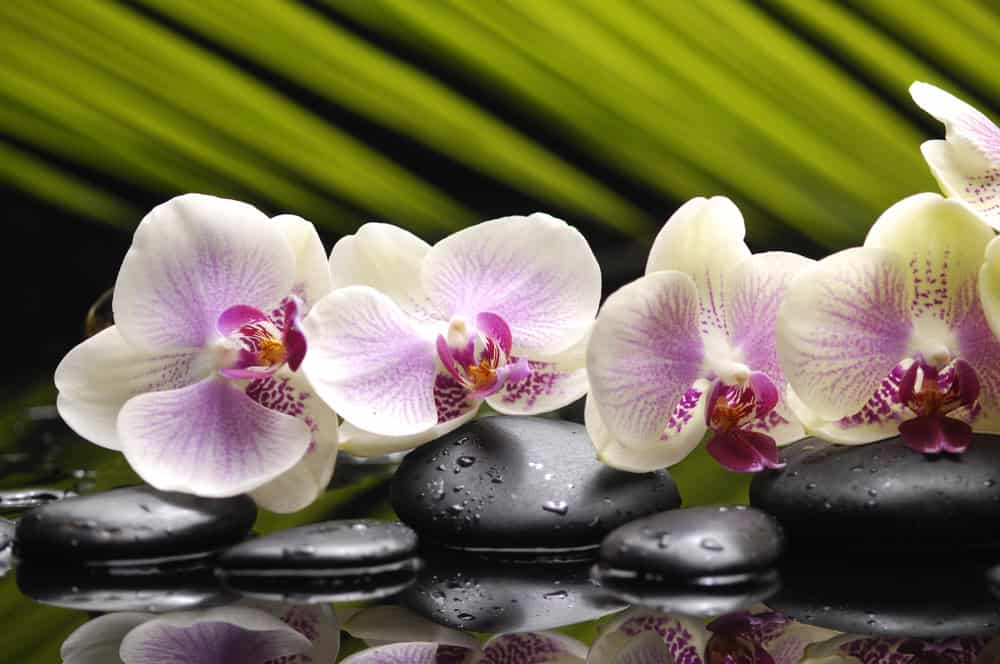
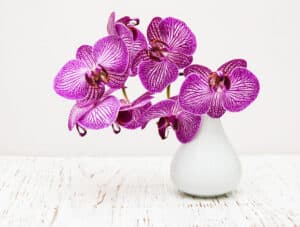
Pink orchids

In a world where everything moves fast and stress seems to come standard, we all crave more calm. From our homes to our workspaces, creating an environment that feels peaceful, restorative, and inspired has never been more important. While there are many ways to cultivate Zen (soft lighting, cozy textures, and curated color palettes, for example) fresh flowers are one of the simplest and most powerful tools for adding calm energy to our spaces.

Flowers have emotional and psychological benefits that can transform how a room feels — and how we feel in it. From a small arrangement on your nightstand to a bold bouquet in the office lobby, blooms invite presence, positivity, and peace. At Cascade Floral Wholesale in Everett, Washington, we’re sharing our intel on the many calming benefits of blossoms.

Flowers Create an Immediate Mood Shift

Fresh blooms have been shown to trigger an instant emotional response, lifting our spirits and helping to dial down stress. A simple arrangement of roses on the kitchen table can spark joy and create comfort. In an office setting, flowers in shared spaces, like reception desks or break rooms, invite us to pause and appreciate the moment. This visual cue can have a calming, grounding effect even during a hectic day.

Color plays a big role here. Soft pastels like blush, lavender, and creamy yellow tend to be especially soothing, while bold hues can energize without overwhelming. Choosing colors intentionally allows you to match the emotional tone you’re aiming for.

Woman smelling fall flowers and smiling

Flowers Help Us Feel More Connected to Nature

We may not always have time to escape to a garden or take a walk in the woods, but flowers bring a piece of the outdoors to our indoor lives. Known as biophilic design, the concept of incorporating nature into built environments has been shown to tamp down anxiety and improve our focus. Fresh floral arrangements offer an easy, low-maintenance way to create that connection.

At home, this could mean placing a vase of sunflowers near a window or incorporating seasonal stems into your entryway. In the office, having florals on desks or in meeting rooms softens sterile surroundings and adds organic texture that naturally reduces brain fog.

Flowers on glass table in glass vase

Flowers Encourage Mindfulness and Presence

Flowers by their very nature are temporal, and that’s part of what makes them so powerful. Their beauty has a way of gently pulling us out of autopilot, encouraging us to pause, be present, and appreciate the small, simple pleasures we experience in our day-to-day lives.

A simple bouquet on your desk or dining table can be a visual reminder to stop being five steps ahead, even if just for a moment. In a busy home or workplace, that moment of stillness matters. It helps break up the noise, grounding you in something soft, natural, and chill.

Woman appreciating vase of gladiolus on table

Flowers Improve the Aesthetic Energy of a Space

It’s no secret that a beautifully styled space can improve your mood, and flowers are one of the fastest ways to elevate a room’s energy. Whether you prefer a minimalist aesthetic or love maximalist layers, a floral arrangement can soften hard edges, add visual interest, and introduce harmony to the environment.

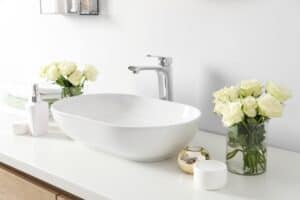
In the home, blooms on a dining table or bathroom vanity create a sense of thoughtful design without needing a full room makeover. In the office, flowers add a welcoming, human touch to spaces that might otherwise feel cold or impersonal. Well-designed arrangements signal care and attention, which translates into a more pleasant experience for everyone in the room.

Hydrangea bouquet on office table

Scented Florals Add Another Layer of Relaxation

While not all flowers are fragrant, those that are, like garden roses, lilies, and peonies, offer an added sensory benefit. Scent is directly tied to our emotional centers, and fresh floral fragrances can help reduce tension and promote relaxation almost instantly.

A vase of softly scented blooms in a bedroom can encourage deeper rest, while a lightly fragrant arrangement in the office might improve mood and reduce mid-day stress. Be mindful of placement and scent intensity (especially in shared workspaces), but when used thoughtfully, the right floral scent can transform the vibe.

Vase of peonies in bloom in waiting room

At a time when many of us are craving more balance, presence, and peace, fresh flower arrangements give us a beautiful, accessible way to support emotional well-being. From the visual joy they bring to the subtle mood shifts they inspire, florals are a reminder to slow down and take in beauty, even in the smallest moments. Want help choosing the right blooms to bring more calm to your home or office? Visit Cascade Floral Wholesale, and let us create something serene, stylish, and perfectly suited to your space.

Posted on

Add Color to Floral Designs with the Cheerful Gerbera Daisy

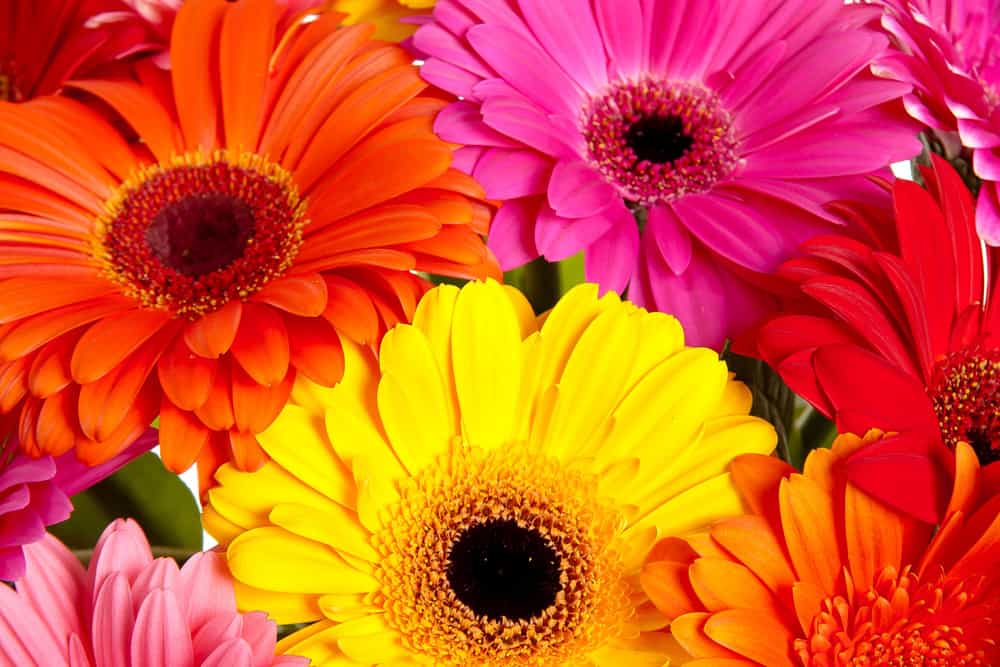
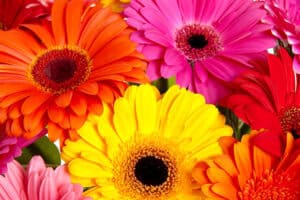
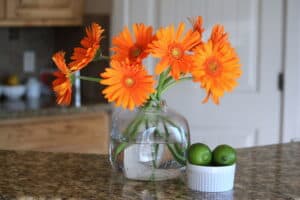
Colorful gerbera daisies closeup

If you’re looking to brighten a floral arrangement with bold personality and feel-good energy, the gerbera daisy is your new best bloom. Cheerful, versatile, and never boring, these iconic flowers bring a burst of color and brightness to everything from everyday bouquets to upscale event installations. In a sea of soft petals and romantic roses, gerberas stand tall — literally and stylistically — offering something a little more joyful, and a little more you. Join us at Cascade Floral Wholesale in Everett, Washington as we dig into this fun flower.

Why We Love Gerbera Daisies

It’s hard not to smile at a gerbera daisy. With their large, daisy-shaped blooms and bright, saturated hues, they radiate positivity. But beyond their good vibes, gerberas are actually floral design powerhouses.

These beauties come in a rainbow of vivid tones: hot pinks, sunny yellows, fiery oranges, rich reds, snowy whites, and more. They have strong, sturdy stems, a symmetrical shape that’s easy to design with, and a surprisingly long vase life (typically 7 to 10 days with proper care). Gerberas are also incredibly versatile. Their playful look works across all ages and occasions, from kids’ birthdays to wellness gifts to cheerful sympathy arrangements.

Multicolor gerbera daisies blooming

Designing with Gerbera Daisies: Ideas & Pairings

The gerbera daisy is a statement flower, but it plays well with others. Depending on your aesthetic, these blossoms can be styled in everything from modern minimalism to lush, garden-style arrangements.

Modern Monochrome
Choose a single color (like punchy coral or buttery yellow) and cluster gerberas in a tight bunch for a minimalist look. Pair with sleek vessels, like matte white ceramics or glass cylinders, to let the bloom’s color take center stage.

Playful & Bright Mixed Bouquets
For a more casual, joyful spirit, mix gerberas with other lively stems like snapdragons, spray roses, craspedia (aka billy balls), or sunflowers. Add playful greenery like ruscus or salal to create texture, and don’t be afraid to go bold on saturation. Gerberas thrive in a little color chaos.

Soft & Romantic Pairings
Looking for a more delicate approach? Pair pastel gerberas (soft pinks or peaches) with lisianthus, garden roses, or ranunculus. Add flowing greenery like Italian ruscus for a dreamy, romantic vibe that’s perfect for weddings, baby showers, or spring celebrations.

Contemporary & Sculptural Designs
Gerberas can lean ultra-modern with the right styling. Use bold vessels in black or metallic finishes and pair gerberas with sculptural greens like monstera or dried palms for a clean, dramatic composition.

Gerbera daisies with sunflowers, ranunculus, and more

Seasonal Styling with Gerbera Daisies

Gerberas are available year-round, making them a seasonal chameleon for your design work. How do they shake out each season?

Spring: Combine pastel gerberas with tulips, hyacinth, or irises for fresh, Easter-ready arrangements.
Summer: Embrace the tropical palette; hot pinks, yellows, and bright oranges are perfect for outdoor parties.
Fall: Use deep oranges, terracotta, or burgundy gerberas paired with grasses and dahlias for a cozy harvest vibe.
Winter: Think crisp whites or cranberry reds, paired with evergreens, silver accents, or pinecones for festive holiday flair.

Pink gerbera daisies, yellow tulips, and purple accents

Where to Use Gerbera Daisies Beyond Everyday Bouquets

Gerberas aren’t just for cheerful get-well arrangements; they hold their own in event and decor design too. Here are a few places they really shine:

Weddings: Use in bouquets, centerpieces, aisle decor, or altar arrangements for a bold, joyful look.
Corporate Events: Their polished shape and bright color make gerberas perfect for brand installations or entry table displays.
Kids’ Parties: Fun, colorful, and universally loved, they’re a safe and non-toxic hit for birthday parties and playful events.
Sympathy or Wellness Gifts: Gerberas radiate comfort and hope, making them perfect for sending positive energy.

Get well flowers with yellow blooms

Caring for Gerbera Daisies: Pro Tips for Longevity

Gerberas are stunning, but they appreciate a little extra attention. Follow these care tips to keep them looking their best:

-Trim the stems at an angle with a sharp knife or floral shears—avoid crushing the stems.
-Change the water every 1–2 days to prevent bacterial buildup, which gerberas are especially sensitive to.
-Use floral wire or a grid to help support their long stems and prevent drooping.

In a world full of trending neutrals and moody palettes, gerbera daisies are a joyful rebellion. For designing a birthday bouquet, a vibrant tablescape, or an event that needs a little extra energy, gerberas bring a spirit that’s bright, bold, and unapologetically cheerful. They’re flowers with personality — and the power to make people smile.

Bouquet of pink and coral Gerberas with baby's breath

Want to include Gerberas in your next arrangement? Stop by Cascade Floral Wholesale, or browse our seasonal selections online. We’re always happy to create something that makes color bloom.

Posted on

Why Protea is the Statement Bloom That Stuns Every Time

Bride holding bouquet with protea

You know that moment when you see a bouquet and immediately pause to ask, “Wait, what is that flower?” Yep, chances are it was a protea. With its prehistoric vibe, gorgeous petals, and totally unique look, the protea is not your everyday blossom — and that’s exactly why we’re obsessed. For DIY bouquets and elegant wedding florals alike, protea is the bold, scene-stealing queen we all need on our mood boards. At Cascade Floral Wholesale in Everett, Washington, we’re diving into why protea is a perennial statement flower that stuns, from its drama to its durability.

It Brings Big Energy Every Single Time

The protea is the literal opposite of a shrinking violet. This bloom is unapologetically bold with its oversized, spiky petals and sculptural shape. Native to South Africa and Australia, proteas come in a variety of types (hello, King, Queen, and Pincushion), but no matter which one you choose, the result is always a serious statement.

When you pop a protea into a bouquet, it instantly becomes the focal point. It’s the kind of bloom that doesn’t need a filter (or even that many supporting florals) to shine. One or two stems and suddenly your bouquet, event centerpiece, or entryway arrangement looks like it was styled for a photoshoot. It’s really that intense and dramatic.

Close-up on different colored protea

It Plays Well with Others (But Still Commands Attention)

While protea is definitely the star of the show, it also knows how to play well with others. These flowers blend beautifully with eucalyptus, roses, ranunculus, hydrangeas, and even dried elements like pampas grass or ruscus. The result is a rich, layered arrangement that balances softness with structure.

Because protea has such a distinctive texture and silhouette, it adds depth to any floral mix. It’s especially stunning in boho-inspired bouquets, tropical arrangements, or anything with a wild, garden-style look. Want something moody and romantic? Pair it with deep burgundy blooms and dark greenery. Going for soft and beachy? Mix it with pastels and bleached botanicals. Protea’s versatility means you can style it for literally any aesthetic, without it ever fading into the background.

Bride holding bouquet with protea and roses

It’s a Super Hearty Flower

We love a flower that doesn’t get tired after a day or two, and protea is one of the longest-lasting cut blooms out there. Fresh protea can stay gorgeous for weeks with the right care, so your bouquet isn’t just a one-day wonder. That means you can enjoy it in your space long after the party’s over.

Even better? Protea dries beautifully. As it fades, it keeps much of its shape and color, transforming into a gorgeous dried bloom that works in wreaths, arrangements, or simply displayed on its own. No special tricks are needed; just let it air dry, and voilà, you’ve got an artful, everlasting piece of floral decor.

Protea and tropical blooms in table centerpiece

It Tells a Story of Strength and Resilience

One fun fact about protea? Its symbolism. Proteas are named after the Greek god Proteus, who could change shape at will, which makes total sense given how many forms and colors this blossom can take. But beyond aesthetics, protea has come to symbolize courage, resilience, and transformation. Pretty inspiring, right?

Protea also grow in some seriously tough environments and are known for bouncing back after wildfires (how epic is that?). So when we include protea in our bouquets — especially for meaningful moments like weddings, anniversaries, or even get-well-soon arrangements — we’re also sharing a message of strength and perseverance.

Protea in arrangement with accents and greenery

So, Are We All In on Protea? Yes!

For designing a DIY bouquet at home, working on florals for an event, or just looking for something a little different, protea brings the wow-factor without even trying. It’s bold, long-lasting, meaningful, and beautifully versatile — basically everything we want in a modern bloom.

Next time you’re picking up flowers at Cascade Floral Wholesale (whether it’s for someone else or yourself, because yes, we love a self-love bouquet), keep an eye out for protea. Add one stem to your arrangement and watch how it transforms the whole vibe.

Posted on

Tips for Getting Your Anthurium Plant to Rebloom

Red anthurium blooms

If you’ve fallen in love with the waxy, heart-shaped blooms of an anthurium (also called the flamingo flower), you’re not alone. These tropical beauties are popular in homes, offices, and even wedding florals. Their bold, glossy flowers (technically spathes that surround a spiky spadix) can last for weeks, sometimes even months. But if you’ve noticed your anthurium’s blooms have faded and all you’re left with are glossy green leaves, you might be wondering: Will it bloom again? And if so, how?

Good news: With the right care, anthuriums are repeat performers. They can bloom multiple times a year, often with only a short rest period between flower cycles. At Cascade Floral Wholesale in Everett, Washington, we’ll teach you how to encourage your anthurium to put on another stunning show.

Woman holding potted red anthurium plant

Understand the Anthurium’s Rest Cycle

Anthuriums don’t bloom continuously; they need a break. After a blooming cycle, the plant naturally focuses on storing energy and producing new leaves. This rest period usually lasts six to eight weeks, but the timing can vary. Think of it like your plant’s spa retreat — it’s resting, recharging, and preparing for its next grand debut. During this phase, keep up with good care (water, light, and feeding) so it has the resources to flower again.

Give It Bright, Indirect Light

Light is the number one factor for reblooming. Anthuriums are native to the tropical rainforests of Central and South America, where they grow under the dappled light of taller plants. Too little light, and your plant will put all its energy into leaves, not flowers. Too much direct sun, and you risk scorching those gorgeous leaves.

Place your anthurium in a spot with bright, indirect light, such as near an east-facing window or a few feet back from a sunny south-facing one. If you live somewhere with gloomy winters, consider supplementing with a grow light. The goal: about 10–12 hours of bright but gentle light each day.

Anthurium plant in light with shadow

Keep It Cozy (But Not Stuffy)

Anthuriums thrive in temperatures between 65–80°F. Cold drafts, sudden temperature drops, or placing your plant too close to heating vents can stress it out and delay flowering.

Humidity is also a big deal. These are tropical plants, so aim for 60–80% humidity. If your air is dry, group plants together, use a pebble tray, or invest in a small humidifier. You’ll see a difference not only in blooming but in the overall health of the foliage.

Water Wisely

If you’ve ever heard the phrase “anthuriums don’t like wet feet,” it’s true. They prefer a consistent moisture level but not soggy soil. Overwatering can lead to root rot, which will definitely stop blooms in their tracks.

Here’s a simple watering rule:

-Check the top inch of soil. If it’s dry, water thoroughly until excess drains out.
-Always use a pot with drainage holes.
-Reduce watering slightly during the rest phase, then pick it back up as new growth appears.

Anthurium plant with water droplets on leaves and blooms

Feed for Flowers

Blooming takes energy, and energy comes from nutrients. Anthuriums appreciate a balanced, diluted fertilizer during their growing season (spring through early fall). But if your goal is flowers, look for a fertilizer with a slightly higher phosphorus content (the middle number on the label).

An orchid fertilizer works beautifully for encouraging blooms. Feed every 6–8 weeks, and always water lightly before fertilizing to avoid root burn.

Refresh the Soil

If your anthurium hasn’t bloomed in a while despite good care, it might be time to give it fresh soil. Old soil can compact, limiting oxygen to the roots, and nutrients get depleted over time.

Anthuriums love a chunky, well-draining mix. Think orchid bark + peat moss + perlite. Repot every two to three years, or sooner if roots are circling the pot.

Woman repotting anthurium plant

Trim Spent Blooms and Old Leaves

Deadheading isn’t just for roses; it helps anthuriums, too. Once a bloom starts to fade and lose its gloss, snip it off near the base. This tells the plant to redirect energy toward producing new flowers rather than trying to keep an old one going.

Removing yellowing or damaged leaves also encourages healthy growth and keeps the plant looking fresh and vibrant.

Be Patient (and Observant)

Even with perfect care, your Anthurium may take its sweet time between blooms. Watch for signs of new growth, like fresh leaves, thicker stems, and small spathe buds forming. Once you spot these, keep your care consistent and avoid moving the plant too much, as sudden changes can stall development.

Remember, a happy Anthurium can bloom up to three times a year, but every plant has its own rhythm.

Anthurium blooms close-up

Bonus Trick: Mimic the Tropics

If you want to nudge your plant into a new bloom cycle, try recreating its native seasonal shift. After a rest period, slightly increase light exposure, boost humidity, and feed with a bloom-boosting fertilizer. Sometimes this hint of spring is enough to get buds forming again.

An anthurium that reblooms becomes part of someone’s home story — a living reminder of a special occasion, a thoughtful gift, or a treat they bought for themselves (because yes, we’re all about buying our own flowers). With good light, cozy warmth, proper watering, and a little patience, you can enjoy wave after wave of those striking, heart-shaped blooms. And when that first new flower unfurls? Trust the experts at Cascade Floral Wholesale; it feels like a little tropical miracle right in the living room.

Posted on

Why Jade Plants Are Perfect for Your Home and Office Spaces

Jade plant in front of red background

Looking for a plant that checks all the boxes: gorgeous, meaningful, and basically impossible to kill? Say hello to the jade plant! This succulent beauty is a leafy little powerhouse that brings life, balance, and maybe even good fortune to any space. For decorating your living room, perking up your desk, or adding some calm to a busy office, jade plants make the perfect green companion. Here’s why the experts at Cascade Floral Wholesale in Everett, Washington promise that these little gems belong in your home (and your heart).

They Fill Spaces with Gorgeous Greenery

Let’s start with the obvious: jade plants are beautiful. Their thick, glossy, emerald-colored leaves have a satisfying, almost sculptural quality to them, and they stay vibrant all year long. Unlike a lot of houseplants that get leggy or sparse over time, jade plants grow full and symmetrical, creating a compact burst of greenery that instantly elevates its surroundings. From tiny tabletop versions to more mature plants in chic ceramic pots, jade plants feel polished, not messy. They also grow slowly, which means they maintain their tidy, bonsai-like shape for years.

Design tip: Place your jade plant near a window in a minimalist planter to create a calming focal point on your desk, bookshelf, or countertop.

Jade plant on office desk

They Purify the Air and Absorb CO₂

We’re all trying to breathe a little easier these days, literally. And while jade plants might not make the NASA Top 10 Air-Purifying Plants list (hi, peace lilies), they still contribute to cleaner indoor air. Like all green plants, jade absorbs carbon dioxide (CO₂) and releases oxygen through photosynthesis. That constant refresh of the air helps make your indoor environment feel lighter, brighter, and more energized. And while they won’t replace your air purifier, they will contribute to a healthier space, especially in smaller rooms or shared workspaces where air can feel stale fast.

Bonus: Better air = better brainpower. A few studies suggest that greener workspaces lead to increased focus and productivity. So yes, that jade plant on your desk could help you power through your emails.

Jade plant close up

They Increase Humidity

Jade plants may be succulents, but they still help with humidity levels in their own subtle way. Here’s how it works: As jade plants go through their normal respiration cycle, they release small amounts of moisture vapor into the air. This process helps boost humidity, which is great for counteracting dry indoor air, especially if you’re constantly running heat or A/C. Even though their contribution is mild, every little bit helps, especially if you cluster your jade with a few other houseplants. Together, they create a tiny ecosystem that balances out dry conditions and makes your space feel fresher.

Humidity hack: Group your jade plant with other leafy plants near a bright window to create a humidity zone in your home or office.

Snake plant in terra cotta pot

They Are a Symbol of Good Luck

Want to attract some good vibes to your space? Jade plants are your go-to. In Feng Shui, jade plants are known as the “money plant” or “friendship tree, ” symbols of wealth, prosperity, and long-lasting relationships. The round, coin-shaped leaves are thought to attract abundance and financial luck, especially when placed in the wealth corner of your home or office (which, according to Feng Shui, is the back-left corner from your front door). People often give jade plants as housewarming or business-opening gifts, with wishes for success, stability, and positive growth.

Tradition tip: For a little extra magic, tie a red ribbon around the pot or add a small gold charm to activate the good mojo.

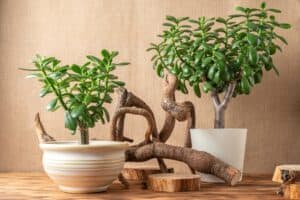
Two jade plants with root between them

They’re Super Easy to Maintain

It’s no secret that some plants are a lot to manage, but jades are super low-key. They thrive on a “less is more” approach and will happily forgive you if you forget to water them now and then.

Here’s why we love jade plants for low-maintenance plant parents:

-They only need watering every 2 to 3 weeks (or less in cooler months).
-They’re super drought-tolerant thanks to their thick, water-storing leaves.
-They thrive in bright, indirect light but can handle some sun.
-They rarely need pruning and keep their shape beautifully on their own.
-They’re not dramatic — no random leaf drops or pest explosions.

Plus, jade plants can live for decades (yep, decades!), which makes them feel like a long-term companion rather than a temporary decoration. Some even grow into small tree-like shapes over time, giving you major visual impact without the fuss.

Plant care tip: Let the soil dry out completely between waterings, and make sure the pot has good drainage. Overwatering is the one thing jade plants don’t love.

Jade plant in pink basket with blue background

Jade plants are practical, powerful, and packed with good energy, which is why the pros at Cascade Floral Wholesale are obsessed with them. Whether you’re looking to create a more peaceful home, energize your office, or just add something green that won’t die on you, jade plants are so worth it.

Posted on

How to Use Hydrangeas in Floral Designs —The Ultimate Bloom for Drama, Color, and Texture

hydrangea blue hydrangeas summer

Let’s talk about one of the most extra (in the best way) flowers out there: the hydrangea. These lush, cloud-like blooms are floral design gold. They bring it all: volume, color, softness, and that full-bodied, romantic vibe we all swoon over. The best part? They play just as beautifully in a starring role as they do in the supporting cast. At Cascade Floral Wholesale in Everett, Washington, we’re breaking down how to use hydrangeas in floral designs like a pro.

Hydrangeas as a Focal Point

Okay, first thing’s first: hydrangeas are showstoppers. One single stem can be the star of the show. Use them front and center in a bridal bouquet, a tall vase arrangement, or even a simple table centerpiece. Because they’re naturally large and rounded, they instantly draw the eye and make the design look lush without needing a ton of other flowers. We love using a few big-headed hydrangeas in the center of a low arrangement, then building around them with smaller blooms and greenery. It gives you that florist-designed vibe with less work and fewer stems.

Pro tip: When designing with hydrangeas as the focal flower, cluster them in odd numbers (3 or 5 usually works well) to keep the design looking balanced and intentional.

Bride holding bouquet of blue hydrangeas

Hydrangeas as Accent Blooms

Now, if you already have a main bloom in mind (like garden roses, peonies, or dahlias), hydrangeas can still totally have their moment — just in a softer, supporting role. Because of their size and puffiness, hydrangeas are ideal for filling in gaps and creating that full, abundant look without feeling too busy. Think of them as the throw pillow of your arrangement, adding comfort, color, and cohesion. Tuck in mini or standard hydrangeas to create a cushion of softness beneath focal flowers, especially in cascading or wild-style bouquets. They blend beautifully with both structured and organic styles.

Designer’s fave combo: Try white hydrangeas behind brightly colored focal blooms to create contrast and help the bolder flowers pop without overwhelming the overall look.

Bouquet with orchids and green hydrangeas

Using Hydrangeas to Add Color

Let’s talk color, because wow, hydrangeas understood the assignment. They come in everything from dreamy pastels to rich jewel tones, with shades of:

Soft baby blue
Punchy pink
Moody purple
Crisp white
Fresh green (a total unsung hero, by the way)
Depending on your vibe, you can go monochromatic (an all-blue arrangement, anyone?) or use hydrangeas to bridge color gaps in your palette.

Want to cool down a warm-toned bouquet? Toss in a soft green or blue hydrangea. Need a splash of drama in an all-white setup? Lavender hydrangeas will add just the right amount of color. And the best part? Some varieties even shift color based on soil pH.

Trend watch: We’re seeing lots of color-blocked floral designs this season. Hydrangeas make that look super easy. Just grab them in solid, saturated hues and group by shade.
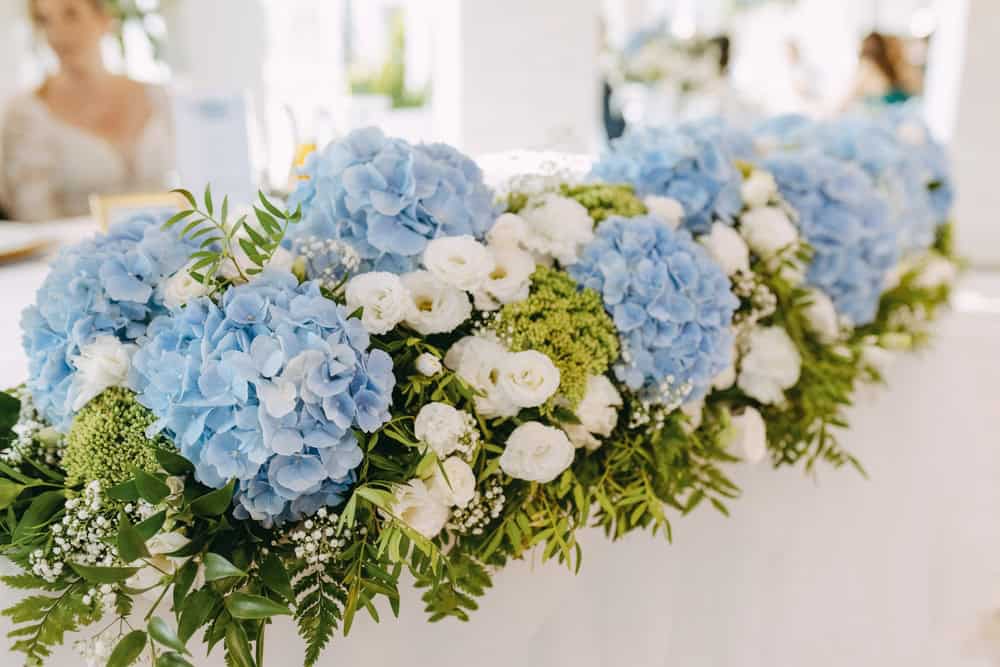
Bouquet of sunflowers and hydrangea

Hydrangeas for Texture and Form

Hydrangeas aren’t just pretty faces. Their clustered petals (technically made up of tons of tiny florets) give your designs serious dimension. They soften up sharp lines in structured designs and add gentle curves to wild, unstructured ones. Use them to break up rigid shapes, frame other blooms, or add body to arrangements that feel a little flat. Their puffy, cloud-like form contrasts beautifully with spiky stems (like snapdragons or veronica), linear greenery (like eucalyptus), or delicate flowers (like sweet peas or lisianthus).

Texture tip: Mix fresh and dried hydrangeas for a modern-meets-vintage aesthetic. It adds visual interest and makes your design last longer.

Large floral installation with white hydrangeas

A Few Care Tips to Keep Your Hydrangeas Happy

We’d be remiss not to mention this: hydrangeas are a little thirsty. Their name literally comes from the Greek word for water vessel, so you’ll want to give them a good soak.

Always cut stems at an angle and dip them in warm water when you first get them. For extra hydration, submerge the entire head in cool water for 15 to 20 minutes if they start to wilt. (Yes, it works!) And keep them away from direct sun or heat; cooler temps = longer life.
At Cascade Floral Wholesale, we know that hydrangeas are the kind of bloom that elevates everything. They’re elegant but approachable, soft yet bold, classic with perennial appeal. Seasoned floral designers and DIYers who just love playing with flowers will find that hydrangeas are always a good idea.
Posted on

Easy Tips for Making Your DIY Floral Projects More Eco-Friendly

Peach and purple bouquet of flowers

As flower lovers, we adore bringing beauty into our spaces, but all that beauty doesn’t have to come at the expense of the planet. From whipping up dreamy centerpieces for brunch to designing bridal bouquets for a backyard wedding, making your floral projects more eco-friendly is easier than you think. At Cascade Floral Wholesale in Everett, Washington, we believe blooms should make everything feel better, including our environmental impact. To that end, here are our top tips to keep your DIY floral creations gorgeous and green.

Use Seasonal Flowers for Your Projects

Just like produce, flowers have their seasons, and choosing blooms that are in-season is a simple yet powerful way to go green. Seasonal flowers require less energy to grow, and they typically travel shorter distances to get to you. 

Not sure what’s in season? Here’s a quick cheat sheet:

Spring: Tulips, hyacinths, ranunculus
Summer: Sunflowers, dahlias, lisianthus
Fall: Chrysanthemums, celosia, asters
Winter: Anemones, holly, evergreens

We love using seasonal blossoms when they’re available to keep arrangements fresh and in sync with nature. Think about how cozy it feels to decorate with jewel-toned dahlias in fall or how refreshing it is to see a bunch of tulips brighten a gray spring day. Nature sets the tone, and we just get to follow along. Plus, it’s a fun way to celebrate the vibe of each season!

Woman smelling yellow tulips

Source Locally Whenever Possible

Many local farms use sustainable growing methods and protect the land, treating it with the utmost respect. Local flowers are fresh and unique, too, since farmers can grow varieties you might not see elsewhere; they tend to reflect the natural rhythms of your region. You’re working with what the land is offering in real-time, which makes your arrangements feel more intentional and connected to the time and place. At Cascade Floral Wholesale, we have fresh blooms from local farms available in our inventory.

But here’s the real beauty of buying local: It supports your community. When you source from nearby farms or small-scale growers, you’re investing in people who are passionate about where they live and work. Plus there’s something deeply satisfying about being close to the person who grew your blooms.

Farmer standing in a field of sunflowers

Reuse Your Vases (and Get Creative!)

Let’s talk about vases, because we all have that shelf full of random jars, pitchers, and cute thrift store finds just waiting to be part of something beautiful. Before buying new containers for every project, shop your own home! Mason jars, candle holders, tin cans, wine bottles, these can all be upcycled into stylish floral vessels.

Hosting a party or event? Collect mismatched vases for a boho vibe or ask friends to lend theirs for the day. You’ll save money and reduce waste. Plus, it adds a little personality to your arrangements. Pro tip: Keep a small stash of neutral vases (think clear glass, white ceramic, or matte black) that you can reuse year-round.

Flowers and plants in vases on tables

Dry Your Flowers for a Second Life

Just because your fresh flowers are past their prime doesn’t mean the story’s over! Drying them is a creative way to extend the life of your arrangement and the options for reusing them are many.

Here are a few fun ideas:

Create a dried flower wreath or wall hanging
Make your own potpourri with dried petals and essential oils
Fill small jars or shadow boxes with dried blooms as keepsakes
Use them for handmade cards or scrapbooking

To dry flowers, simply hang small bunches upside down in a cool, dark space (like a closet or pantry). In a couple of weeks, you’ll have preserved petals ready for your next DIY adventure.

Hanging drying flowers

A Little Effort, A Lot of Impact

At the end of the day, being more eco-conscious with your floral projects doesn’t mean sacrificing style or creativity. It just means being a little more mindful about where your blooms come from and how you repurpose the beauty afterward. Let’s celebrate flowers not just for how they look, but for what they represent: joy, growth, and connection. And let’s do it in a way that keeps our planet blooming, too.

When you’re ready to start your next eco-friendly floral project, browse our seasonal selections at Cascade Floral Wholesale. We’re always here to help you blossom.

Posted on

Why We Love the Underrated Carnation

Red and white carnations close up

Once a prom-night staple and grocery store regular, the carnation has carried an unfair reputation in some floral circles as too common, too frilly, or dare we say, dated. But here at Cascade Floral Wholesale in Everett, Washington, we’re ready to set the record straight: Carnations are one of the most underrated, underappreciated blooms out there, and we’re absolutely obsessed with them. With their frilly petals, rainbow of colors, and surprising durability, carnations are experiencing a quiet comeback in modern floral design. For those planning a lush wedding installation, a petite desk arrangement, or a bold editorial bouquet, carnations are ready for their close-up.

Carnations Last Forever (Okay, Almost)

First things first: longevity. Carnations are some of the hardiest cut flowers you can use in arrangements. While some blooms start to wilt after just a few days, carnations can easily last 10 to 14 days, sometimes even longer with a fresh trim and clean water.

That makes them a dream for florists and DIY aficionados lovers alike; you get more value out of each stem, and clients enjoy arrangements that stay vibrant well beyond the day of delivery. For events, this staying power means centerpieces and installations still look fresh long after the last dance. For everyday bouquets, it’s a win-win: beauty that lasts.

Clusters of carnations in wrapped individual colors

A Rainbow of Colors (Including Some Unexpected Ones)

If you thought carnations only came in pink and red, prepare to be amazed! Carnations are available in an impressive range of hues — from classic whites and blushes to moody burgundies, peachy corals, sunny yellows, deep purples, and even green and blue varieties.

And thanks to their natural ability to absorb color, carnations are easy to dye or tint, making them a go-to blossom for creating unique shades or matching a very specific palette. Want a peach fuzz moment? A monochromatic wine-stained bouquet? An ombré design from lavender to lilac? Carnations can pull it off beautifully.

Their versatility also makes them ideal for themed events, creative photo shoots, or trend-forward floral styling. You dream it, carnations can deliver.

Rainbow colored carnations

Sculptural and Stylish, Not Just Fluffy

Here’s a secret many people overlook: Carnations can be incredibly sculptural. Their ruffled petals and strong stems allow designers to play with form, density, and repetition in a way that other blooms can’t always handle.

Carnations are often used in mass groupings to create fluffy clouds, floral spheres, or even flower walls. They can hold shape beautifully in structured arrangements, offer volume in bridal bouquets, and are perfect for floral foam installations or intricate designs like wreaths and garlands.

When clustered tightly, they read as modern and luxe. When paired with textural elements like dried grasses or berries, they strike a stunning contrast. They’re the perfect canvas for creativity.

Sculptural carnation arrangements by dessert table

Full of Meaning: Carnation Symbolism Through the Decades

Carnations go beyond being beautiful; they’re also steeped in rich symbolism and cultural meaning. Throughout history, these flowers have stood for love, admiration, and remembrance.

*Pink carnations are said to symbolize a mother’s love, making them a traditional favorite for Mother’s Day.
*White carnations often stand for purity and good luck.
*Red carnations express romantic love and deep affection.
*Purple carnations can symbolize unpredictability or adventurousness.
*In some cultures, striped carnations even represent sympathy or remembrance.

These layers of meaning make carnations especially powerful for memorial arrangements, anniversaries, graduations, or even wedding vows. They add emotional depth to your bouquet and they look gorgeous doing it.

Bouquet of red carnations with greenery

A Light Fragrance That’s Easy to Love

If you’ve ever held a bouquet up close and been overwhelmed by the scent, you’ll appreciate this final point: Carnations have a soft, clove-like fragrance that’s light, sweet, and never overpowering.

For those who are sensitive to strong floral scents (or sending flowers to scent-free venues like hospitals, offices, or scent-restricted event spaces), carnations strike the perfect balance. You get a subtle fragrance that adds to the sensory experience, without becoming distracting or heavy. Plus, they blend well with more fragrant florals, so if you’re pairing them with roses or lilies, carnations won’t compete for attention. They simply play their part beautifully.

Older woman smelling pink carnations

Trendy or not, carnations deserve their moment. They’re resilient, expressive, versatile, and deeply meaningful — all the things we want our floral work to be. At Cascade Floral Wholesale, we love celebrating the unexpected, and carnations continue to surprise us with their strength and beauty, time and time again.

Posted on

Welcoming Summer with Fresh Flower Arrangements for Your Home

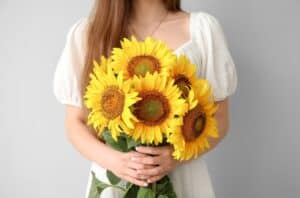
Sunflowers in a home

We love the way summer sunshine spills into our homes, brightening every corner and lifting our moods. And if you’re anything like us, the first thing we want to do when the season shifts is freshen up our space. The simplest (and most joyful) way to do that? Fresh flower arrangements. At Cascade Floral Wholesale in Everett, Washington, we’re sharing five of our absolute favorite blooms and how to use them to make your home feel like a sunny garden retreat.

Radiant Roses: Classic Charm with a Summer Twist

Roses are a year-round staple, but come summer, they feel especially fitting in lighter hues — think creamy whites, coral, soft peach, and blush pinks. These shades play well with both bold and pastel palettes, giving you versatility whether you’re arranging a single-variety bunch or mixing it up.

How to style: Go for an airy, garden-picked feel. Cluster roses loosely in a ceramic jug or vintage vase with sprigs of eucalyptus or mint. They’re perfect in entryways or dining spaces where guests can enjoy their soft fragrance up close.

Hot tip: Work with garden roses during summer; they have a fuller, frillier look that’s swoon-worthy in both casual and formal designs.

Bouquet of roses on summer picnic table with candles

Sunflowers: Pure Sunshine in a Stem

Big, bold, and unapologetically cheerful, sunflowers bring serious personality to your summer arrangements. They’re perfect for rustic, farmhouse-inspired decor or just about any spot in your home that could use a splash of warmth.

How to style: Let them shine in tall glass cylinders or galvanized metal buckets. Pair with greenery like lemon leaf or ruscus, or soften their look with white lisianthus or baby’s breath.

Hot tip: Demand for sunflowers spikes in June through September, so plan your order early and consider stocking multiple sizes — from standard giants to petite varieties that work beautifully in mixed bouquets.

A vase of sunflowers in a living room

Peonies: The Soft-Spoken Showstopper

Peonies are the darling of early summer. Their fluffy, cloud-like blooms and romantic vibe make them one of the most sought-after flowers of the season. Available in a dreamy range of pastels (and the occasional punchy fuchsia), they add luxury and elegance to any setting.

How to style: Let peonies work their magic in short, wide vases on bedside tables or coffee tables. Or pair them with hydrangeas and sweet peas for a soft, feminine touch in larger arrangements.

Hot tip: Peony season is short and sweet — typically May through early July — so  enjoy them while they can. For longer-lasting blooms, go for tighter buds and let them open slowly at home.

Peonies arranged with accent blooms

Lilies: Fragrance and Grace

With their star-shaped petals and graceful posture, lilies are a go-to when you want to bring serenity and elegance into your home. Oriental lilies are especially fragrant, while Asiatic lilies offer brighter, bolder hues without the scent — great for sensitive noses!

How to style: Use lilies in minimalist arrangements with tall branches or foliage, or combine them with complementary blooms like roses and alstroemeria for layered texture. White lilies offer a spa-like feel in bathrooms, while pinks and oranges bring vibrancy to living rooms.

Hot tip: Offer bunches with a few closed buds; you’ll enjoy watching them open over time. Always include pollen-removal tips to keep surfaces clean and allergy concerns low.

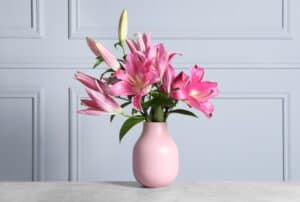
Pink lilies in a pink vase in front of wainscoting

Gerbera Daisies: Pop Art in Bloom

If you’re looking to inject instant energy into a space, gerbera daisies are your BFFs. These bold, graphic blooms come in just about every color imaginable and have a happy, clean look that plays well with modern or playful aesthetics.

How to style: Go monochrome for a bold statement, or mix a rainbow of gerberas in a clear vase with minimal greens and accent blooms. They’re ideal for kitchen counters, home offices, or kid-friendly areas where fun is the goal.

Hot tip: Gerberas love hydration, but their hollow stems can go soft fast. Use floral wire to support them in arrangements, and always re-cut stems under water for best results.

Bouquet of gerbera daisies with baby's breath on table

Bringing It All Together: Summer Flower Styling Tips

To create a cohesive summer vibe with your floral arrangements, keep these tips in mind:

Stick to a seasonal color palette. Summer shines with citrusy brights, soft pastels, bold pinks, or earthy neutrals depending on your decor.

Layer in texture. Add herbs (like basil or lavender), wispy fillers (like wax flower or solidago), or unique greenery (hello, ferns!) to give arrangements dimension.

Switch up vessels. From mason jars and woven baskets to glossy ceramic pitchers, your vase choice totally changes the mood.
Rotate arrangements by room. Bright blooms energize kitchens and offices, while soothing tones are best in bedrooms and bathrooms.

Bouquet of colorful flowers on dining table near macrame

Summer’s floral bounty is all about celebrating life, warmth, and creativity. Whether you’re curating seasonal collections for your shop or simply refreshing your living room with weekend blooms, there’s nothing quite like the presence of fresh flowers to elevate your home. With nature’s most beautiful designs at your fingertips from Cascade Floral Wholesale, summer is officially blossoming.

Posted on

Our Favorite DIY Wearable Flowers for Graduation Season

Graduation hat, books, and flowers

Graduation season is one of the most joy-filled, flower-loving times of the year. Each one is a major milestone worth celebrating with style — and that includes fresh, wearable blooms! From classic leis to modern boutonnieres and dreamy corsages, wearable flowers have become a meaningful (and Instagrammable) way to show pride, love, and accomplishment.

At Cascade Floral Wholesale in Everett, Washington, we’re here to help you make graduation season not only beautiful, but also doable, especially for those who love a good project. Below, we’re sharing our favorite DIY wearable flower ideas, plus pro tips on selecting the right blossoms, tools, and techniques to make it all bloom with success.

Leis: A Beautiful Garland for the Graduate

Leis are a beloved tradition for many families — especially in Hawaiian and Polynesian cultures — but have now become popular across the U.S. as a joyful and symbolic gift. Worn around the neck, leis represent love, honor, and good luck. And the best part? They’re customizable, fragrant, and surprisingly simple to DIY.

Recommended Flowers for Leis:

Dendrobium orchids – long-lasting, elegant, and available in a rainbow of colors
Carnations – budget-friendly, fluffy, and vibrant
Plumeria (frangipani) – traditional and tropical
Mini roses or spray roses – romantic and lush
Ti leaves or fern – for structure and greenery

DIY Tips:
Use floral needle and thread or strong dental floss to string blooms.
Alternate flowers with foliage or ribbon for variety and balance.
Store finished leis in a plastic bag with a light mist of water and refrigerate until gifting.

Lei with graduation hat and diploma

Boutonnieres: Small in Size, Big on Style

Boutonnieres are the go-to wearable flower for male and non-binary graduates or anyone wanting a minimalist floral accent. Pinned to a lapel or stole, they’re an easy way to incorporate school colors, personal style, or a nod to tradition.

Recommended Flowers for Boutonnieres:
Spray roses – compact and classy
Orchid – delicate and lush with a modern vibe
Craspedia (billy balls) – fun, sturdy, and great for school color themes
Hypericum berries or succulents – great texture and durability
Dusty miller, eucalyptus, or rosemary – soft greenery adds a polished touch

DIY Tips:
Use floral tape and wire to secure stems together tightly before wrapping with ribbon or twine.
Keep arrangements small and balanced — usually just one focal flower with 1–2 accents.
Spray with a finishing mist to lock in freshness for the day.

Orchid boutonniere pinned on suit jacket

Corsages: Classic, Custom, and Totally Cool Again

Corsages have made a comeback and not just for proms! Today’s corsages are more stylish than ever and worn by graduates, moms, aunts, mentors, and anyone who helped make the celebration possible. Whether they’re worn on the wrist, pinned to a dress, or even added to a hairpiece or clutch, these wearable florals are all about personalization.

Recommended Flowers for Corsages:
Mini cymbidium orchids – exotic, long-lasting, and statement-making
Spray roses – classic and always lovely
Lisianthus – romantic and ruffly
Carnations – colorful and hearty
Waxflower or statice – great accent blooms that hold up well

DIY Tips:
For wrist corsages, use floral wire + adhesive wristlets or elastic bands.
Build the base with greens or ribbon, then layer flowers using floral glue.
Avoid overstuffing — 3–5 blooms plus accents is often the sweet spot.

Corsages on women's hands

Graduation is one of those milestone moments that brings all the feels: pride, excitement, joy, and a little nostalgia, too. Wearable flowers are a beautiful way to mark the occasion, and with a little help from the experts at Cascade Floral Wholesale, DIYers can create memorable blooms that move with them — from the stage to the dance floor to the family photo op. We’re proud to supply the freshest, most wearable blossoms of the season — perfect for any project and every graduate.

Posted on

The Best Blooms for Adding Height to Arrangements

Multicolor gladiolus in bloom in nature

Every floral arrangement needs flowers of various heights to form a complete design. Be it a romantic centerpiece, an eye-catching storefront display, or a wedding altar arrangement, height is what gives your design drama, depth, and fullness. If you’ve ever looked at a design and felt like it was missing something, chances are it needed a little vertical lift. Luckily, at Cascade Floral Wholesale in Everett, Washington, we have some favorite tall-stemmed stars to help you elevate your floral game — literally. Today, we’re spotlighting five fabulous flowers that are perfect for adding height and elegance: Delphinium, gladiolus, snapdragon, stock, and Bells of Ireland.

Delphinium: The Dreamy Spire

Delphinium is the tall, willowy bloom who shows up in a flowy dress and turns everyone’s heads (in the best way). These striking blossoms come in beautiful shades of blue, lavender, white, and even blush, making them perfect for romantic or whimsical arrangements.

Heigh in naturet: Often reaches 3 to 6 feet
Vibe: Ethereal, elegant, and soft
Best Uses: Garden-style centerpieces, large-scale installations, wedding arrangements
Delphinium’s vertical structure adds movement and flow, and its delicate blossoms stack beautifully up the stem — like little notes on a musical scale. We especially love them paired with peonies or roses to balance out softness and structure.

White delphinium against a green background

Gladiolus: The Bold Statement

If delphinium is dreamy, gladiolus is bold and statuesque. With sword-shaped leaves and blooms that open sequentially up the stem, this flower demands attention.

Height in nature: Up to 5 feet tall
Vibe: Dramatic, structured, bold
Best Uses: Sympathy sprays, statement pieces, tall vases in entryways
Gladiolus comes in a wide array of colors — hot pinks, purples, soft pastels, even deep reds — which makes it a favorite for both modern and traditional arrangements. Because it grows so tall, it’s a fantastic anchor bloom, especially in vertical or triangular compositions.

Multicolor gladiolus in bloom in nature

Snapdragon: The Textured Classic

With their quirky, dragon-shaped blossoms (yes, that’s where they get their name!), snapdragons are a classic in the height elementals playbook. Their upright form and soft texture make them incredibly versatile.

Height in nature: 1.5 to 3 feet
Vibe: Cheerful, charming, and versatile
Best Uses: Everyday bouquets, bridal arrangements, spring displays
Snapdragons come in a rainbow of shades, from creamy white and soft yellow to vibrant coral and deep burgundy. They’re wonderful for creating layers and adding movement. Plus, they play well with others — try them with tulips, ranunculus, or lisianthus for a playful mix.

Colorful snapdragons blooming in a garden

Stock Flowers: Fragrant and Full

Let’s hear it for stock flowers — the often unsung heroes that bring both height and a wonderful scent. These blooms grow in tall clusters and come with a sweet, clove-like fragrance that adds a whole other layer to your floral experience.

Height in nature: 1.5 to 2.5 feet
Vibe: Cozy, romantic, fragrant
Best Uses: Home arrangements, wedding florals, spring events
Available in soft pinks, purples, whites, and creams, stock flowers are perfect for adding vertical interest without being overpowering. They’re also great for adding density and fullness to your design while keeping things airy and light.

Pink and purple stock flowers in bloom

Bells of Ireland: The Architectural Accent

Need something super unique? Bells of Ireland bring architecture, texture, and a pop of green that complements almost every palette. With their tall spires and cup-shaped bells, these are statement greens that do the most.

Height in nature: 2 to 3 feet
Vibe: Sculptural, modern, fresh
Best Uses: Event installations, modern arrangements, tropical pairings
Their vivid green hue makes them a natural balancing act for more colorful blooms, and their upright shape provides instant height without heaviness. Bonus: they symbolize good luck — yes please!

Bells of Ireland close-up

Height is more than just a design element — it’s what gives your floral arrangements life, personality, and presence. These tall blooms bring the vertical wow factor that sets your designs apart. To that end, the next time you’re building an arrangement and things feel a little… flat? Reach for delphinium, gladiolus, snapdragon, stock, or bells of Ireland here at Cascade Floral Wholesale — and let those flowers stand tall.

Posted on

Trending Spring Flower Color Palettes for 2025

Orange flowers in basket on blue background

Spring is always a season of renewal, but Spring 2025 is blooming with a particularly fresh energy, and it’s all in the color! This year, florists and designers alike are embracing bold combinations that feel both modern and delightfully unexpected. Think breezy blues, soft mints, sunlit golds, and zesty tangerines — color pairings that spark joy and creativity while still feeling totally refined.

Whether you’re planning a wedding, hosting a spring soirée, or just refreshing your home for the season, these trending palettes will help you create floral magic with colors that feel light, happy, and full of personality. At Cascade Floral Wholesale in Everett, Washington, we’re digging into the top trending spring flower color palettes for 2025 and how to use them in your floral designs.

Blue: The Calm, Cool Comeback

Blue is making a major splash this spring, showing up in everything from powdery periwinkle to rich cornflower tones. This calming hue brings a sense of serenity and softness, which makes it a gorgeous base color to build from — or a surprising pop when used sparingly.

Best Blooms in Blue:

Delphinium (for height and drama)
Hydrangea (lush, full-bodied impact)
Muscari (for petite, charming accents)
Pair it with: Mint for a fresh, ethereal vibe or tangerine for a bold, modern contrast.

Where it shines: Blue is perfect for spring weddings with a garden-chic theme, baby showers, or any event where softness and sophistication go hand in hand.

Bride holding bouquet of hydrangeas

Gold: Elements of Warmth and Luxury

Gold tones are coming in strong this season — not in metallics, but in warm, sun-kissed hues that add a soft, golden-hour glow to floral designs. Think buttery yellows, goldenrod, and warm beige tones that bring elegance without overpowering the arrangement.

Best Blooms in Gold/Yellow Tones:

Garden roses in golden hues
Daffodils
Ranunculus in soft gold or apricot tones
Solidago (great for adding texture and depth)
Pair it with: Blue or mint for a breezy, springy contrast; tangerine for a citrusy burst of warmth.

Where it shines: Golden blooms bring effortless warmth to brunch centerpieces, springtime bridal bouquets, or cheerful corporate installations that need a little luxe flair.

Gold and blue spring flowers

Mint: Soft, Subtle, and Stylish

Move over sage; mint is having its moment in 2025. This soft green brings a cool freshness to floral arrangements, and it’s the perfect neutral-with-personality. Use it as a supporting tone or let it stand out on its own in minimalist designs.

Best Blooms and Greens in Mint Tones:

Eucalyptus (seeded or silver dollar)
Lamb’s ear
Dusty miller
Succulents in frosty green tones
Pair it with: Blue for a dreamy, calming effect, or tangerine to create a balance of soft and bold.

Where it shines: Mint plays beautifully in spring weddings, baby showers, and styled shoots with a romantic or vintage twist.

Bridal bouquet with mind and eucalyptus

Tangerine: The Juicy Pop Everyone’s Loving

If there’s one breakout color this spring, it’s tangerine. This vibrant, citrusy hue brings playfulness and unexpected energy to designs. It’s bold but approachable, making it a perfect way to modernize a traditional palette or elevate a neutral one.

Best Blooms in Tangerine and Coral Tones:

Ranunculus
Gerbera daisies
Tulips
Roses in orange, apricot, or coral shades
Pair it with: Gold for a sunset-inspired palette, or cool it down with mint or blue for a beautiful contrast.

Where it shines: Tangerine is the life of the party; use it in event florals, modern wedding designs, or even as a cheerful accent in everyday bouquets.

Orange flowers in basket on blue background

Design Tips for Using This Palette

Go monochromatic with a twist: Choose one main color and bring it to life through different flower shapes and textures, adding just a hint of the other shades for dimension.
Play with shape and structure: Use dramatic elements like delphinium or tropical greenery to add height and movement.
Think beyond the bouquet: These colors look amazing in hanging installations, welcome signs, tablescapes, and even wearable florals like crowns or boutonnieres.

Spring 2025 is all about creative color play, where modern meets joyful, and elegance meets fun. Blue, gold, mint, and tangerine may come from different ends of the spectrum, but together they create unforgettable, photo-ready palettes that feel fresh, trend-forward, and totally customizable. At Cascade Floral Wholesale, we’re here to help you bring these beautiful palettes to life with the freshest seasonal blooms, expert design guidance, and all the floral savviness you need to stand out this spring.

Posted on

Why We Love the Underrated Kalanchoe Plant

Red Kalanchoe blooms up close

When you think of dramatic, attention-grabbing plants in the floral world, your mind might go straight to lush monsteras or dramatic orchids, but allow us to shine a little light on one of the unsung heroes of the plant kingdom: the kalanchoe. This vibrant, hardy succulent often flies under the radar, but at Cascade Floral Wholesale in Everett, Washington, we’re here to change that. If you’re stocking up for your shop, styling a client’s space, or hunting for a low-maintenance plant with high visual impact, the kalanchoe deserves a top spot on your list.

It’s a Blooming Powerhouse

Unlike many succulents that are known for their foliage, kalanchoe is a total overachiever, as it offers both visually interesting greenery and a colorful, long-lasting bloom. Available in a wide range of shades — think pinks, oranges, yellows, and whites — these clusters of small, bright flowers can last for weeks (sometimes even months!) with minimal upkeep.

That kind of staying power is rare in the plant world, especially at this size and price point, which makes kalanchoe a favorite among aficionados.

Multicolored Kalanchoe blooms

It’s Tough and Low-Maintenance

Let’s be honest: not everyone is blessed with a green thumb or ample free time; that’s where kalanchoe shines. As a succulent, it thrives on neglect, meaning it doesn’t need frequent watering, prefers bright indirect light, and can tolerate drier air.

For shops, this means less labor and loss. For customers, it means fewer casualties and more confidence in plant ownership. For plant parents, it means easy caregiving. It’s the kind of option you can confidently recommend to first-time buyers or seasoned collectors.

Pro tip: Kalanchoe doesn’t like soggy roots, so make sure it’s planted in well-draining soil and a pot with drainage holes.

Three Kalanchoe plants

It’s a Re-Bloomer (with a Little Encouragement)

Here’s a little-known perk of the kalanchoe: it’s capable of blooming again with proper care. While many customers may think the flowering is a one-time event, florists can educate them on how to encourage future blooms with a little patience and light management.

Kalanchoes are photoperiodic, which means they require a cycle of longer nights (around 14 hours of darkness) for several weeks to trigger new flowers. It’s not quite instant gratification, but it’s a fun challenge for plant lovers who enjoy nurturing their greenery over time.

Pink Kalanchoe plant

It’s Perfect for Gifting (and Gifting Season)

Thanks to its cheery colors, compact size, and long-lasting nature, kalanchoe makes a great gift — especially during holidays like Mother’s Day, Easter, Valentine’s Day, and even Christmas (white and red kalanchoes look lovely in festive arrangements).

They’re also ideal for sympathy gestures, get-well-soon sentiments, or “just because” moments. Kalanchoes have a long life span and keep that thoughtful gesture going strong for weeks or even months after delivery.

Woman's hand amidst Kalanchoe plants

At Cascade Floral Wholesale, we’re proud to offer kalanchoes in a variety of colors and sizes, ready to ship and stock for your next busy season. Whether you’re building your retail display or crafting DIY arrangements that last, don’t sleep on this floral favorite. The humble kalanchoe might just be the best-kept secret you didn’t know you needed.

Posted on

Our Favorite Greenery for DIY Floral Arrangements

Bride holding meadow-like bouquet

We all get a little distracted by the flowers when we’re getting our floral design game on (and for good reason — they’re stunning). But if you’ve ever tried to create your own arrangement, you know that greenery is what makes the whole thing sing. Think of it like the supporting cast that brings out the best in your star blooms. Whether you’re going for lush and romantic or clean and modern, the right greenery transforms your DIY bouquet or centerpiece into something magical. At Cascade Floral Wholesale in Everett, Washington, we’re sharing our top five favorite greenery picks that we reach for time and time again, no matter the occasion.

Silver Dollar Eucalyptus – The Versatile Beauty

We can’t talk greenery without shouting out silver dollar eucalyptus. With its soft, round leaves and muted sage-green color, this stunner brings a relaxed elegance to just about any arrangement. It’s especially dreamy in wedding florals — bouquets, garlands, centerpieces, you name it — but don’t box it in.

Silver dollar eucalyptus plays well in both formal and casual designs. Its floppy, romantic vibe adds a soft texture that complements everything from fluffy peonies to spiky proteas. We love draping it across mantels or weaving it into wreaths for that “effortless but intentional” look.

Tip: Want to create a boho bridal bouquet? Pair silver dollar eucalyptus with garden roses, ranunculus, and wispy bunny tails for a soft, flowing look.

Silver dollar eucalyptus close-up

Monstera – The Bold Tropical Statement

For those of us who love a tropical aesthetic, monstera leaves are a must. These giant, glossy leaves instantly make any arrangement feel bold, modern, and a little bit exotic. Perfect for summer parties, destination weddings, or adding a splash of drama to your space.

Monstera is often used solo in tall vases (hello, minimalism!), but it also pairs beautifully with tropical blooms like anthurium, birds of paradise, or orchids. It’s basically the ambassador of the island mood.

Tip: Use one monstera leaf as a charger or placemat for a tropical tablescape — it’s a subtle way to tie your florals into your table design.

Monstera leaves with dew drops

Italian Ruscus – The Cascade Queen

Italian ruscus is the greenery you want when you’re going for drama. Long, elegant, and slightly glossy, its slender stems are ideal for cascading bouquets and hanging installations. It’s like the ballerina of greenery — graceful, flexible, and always photo-ready.

Because it’s so airy, Italian ruscus doesn’t steal all the attention from your blooms but still adds that lush, layered texture we all love. And it lasts a long time, so it’s perfect if you’re designing ahead of time or want your florals to stay looking fresh for days.

Tip: Wrap Italian ruscus around a hoop or arch for a whimsical, floating greenery effect — it’s easier than it looks and totally Pinterest-worthy.

Italian Ruscus on white background

Sword Fern – The Height Bringer

If you want to bring some structure and vertical movement to your arrangement, sword fern is your friend. With its upright, pointed fronds, this fern adds height and a wild, garden-inspired vibe to line arrangements or taller centerpieces.

We love sword fern for its texture — it’s feathery, yet bold — and how it plays off more delicate elements in a design. It’s especially lovely in rustic or woodland-inspired arrangements (think moss, berries, and deep jewel-toned flowers).

Tip: Place sword fern in first when designing a vase arrangement to establish the shape and height — it’s a strong foundation without being overpowering.

Sword ferns close-up

Dusty Miller – The Soft, Silvery Accent

Dusty miller is truly a standout in the world of greenery. With its velvety leaves and cool, silver-gray tone, it brings a soft, wintry elegance to floral designs. It’s a cold-weather favorite, especially around the holidays, but honestly? Dusty miller works year-round.

Because of its color and texture, it balances out brighter blooms and adds contrast without being too bold. It’s especially beautiful in bouquets with pastel tones or white-on-white arrangements. It’s also surprisingly hardy, making it a favorite for corsages and boutonnieres.

Tip: Use dusty miller as a filler in a winter centerpiece with white roses, blue thistle, and pinecones for a soft, frosty look without going full holiday.

Dusty miller leaves

At Cascade Floral Wholesale, we know that greenery is not just an afterthought. Each of these five picks — silver dollar eucalyptus, monstera, Italian ruscus, sword fern, and dusty miller — brings its own personality, texture, and structure to your design. Play around, mix and match, and see what speaks to you. The beauty of DIY is that there are no hard rules — just gorgeous greens and the joy of creating something fresh and personal.

Posted on

The Many Benefits of Learning DIY Floral Design

Woman's hands designing flowers

Flowers have a way of transforming a space, adding life, color, and beauty to any occasion. But what if you could create floral arrangements yourself anytime you wanted? Learning DIY floral design is a fun and creative hobby, as well as a skill that comes with a ton of benefits, from flexing your artistic muscles to boosting your mood. If you’re an event planner, a small business owner, or someone who simply loves having fresh blooms at home, learning more about the wonderful world of DIY flower design can be a game-changer. At Cascade Floral Wholesale in Everett, Washington, we’re exploring why learning this craft is so rewarding and how it can add value to your life.

Creative Expression & Stress Relief

Flowers are more than just pretty decorations — they’re a form of art! Arranging fresh blooms allows you to express your personality through colors, textures, and shapes. Do you love soft, romantic pastels? Or maybe bold, dramatic blossoms? With DIY floral design, you can tailor every arrangement to fit your personal taste and style.

Plus, working with flowers has been proven to reduce stress and promote mindfulness. The process of selecting, trimming, and arranging blossoms forces you to slow down and focus on the present moment — much like meditation, but with a beautiful end result.

Woman designing flower arrangement in class

Perfect for Special Occasions & Everyday Beauty

Wouldn’t it be convenient to be able to whip up a gorgeous bouquet for a friend’s birthday, a dinner party centerpiece, or even a last-minute anniversary gift? Learning floral design means you’ll always have the ability to create something beautiful for special moments without scrambling to find a present at the last minute.

And why stop at special occasions? Keeping fresh flowers in your home is proven to boost your mood, increase productivity, and make your space feel more inviting. With DIY skills, you can refresh your displays anytime, whether it’s a simple vase of greenery or a gorgeous and grand arrangement for your entryway.

Hands working on pink and white bouquet in bucket

A Fun & Rewarding Hobby

Hobbies are important for overall well-being, and floral design is one that combines creativity, relaxation, and beauty. Whether you take a class, follow along with tutorials, or simply experiment with different flowers and techniques, the learning process is incredibly enjoyable.

And the best part? You get to share your creations with others, such as gifting a friend a handmade bouquet or decorating your home with your own seasonal arrangements. There’s a deep sense of satisfaction in creating something with your own hands — especially when it turns out as stunning as a professionally designed piece.

Woman working with bright gerbera daisies

Cost Savings Without Compromising on Beauty

Professionally designed arrangements are beautiful, no doubt, and there’s no shame in leaving weddings, parties, and other large events to the experts. But when you learn to arrange flowers yourself, you can achieve that high-end look for a fraction of the cost anytime.

Wholesale flower shops (like ours!) offer fresh flower and greenery combinations, meaning you can create arrangements at a lower cost than purchasing pre-made designs. This is a fantastic option for event planners, small business owners, or anyone who loves to keep fresh flowers at home.

Hands designing a beautiful bouquet

Learning DIY floral design is an incredibly rewarding experience, whether you’re looking for a new and exciting hobby, want explore your creative side, or even up your self-care game. The best part? You don’t need formal training — just a love for flowers and a willingness to experiment! At Cascade Floral Wholesale, we have everything you need to get started.

Posted on

Tips for Getting Your Orchid Plant to Rebloom

Orchids in pink and white

Orchids are beautiful, elegant, and often a little mysterious — especially when their blooms fade and all that’s left is a lonely stem and some stubborn leaves. If you’ve ever thought, Did I just kill my orchid? Don’t worry, you’re not alone! The good news is that orchids can rebloom with a little patience and the right care. It just takes the right balance of light, temperature, and care. Whether you’ve got a Phalaenopsis (the most common orchid) or another variety, these tips from Cascade Floral Wholesale in Everett, Washington will help you encourage those gorgeous blooms to make a comeback.

Orchids in vase with coffee cup

Trim the Spike (But Not Too Much!)

Once your orchid’s flowers drop, don’t panic! Instead, grab some sterilized pruning shears and take a close look at the flower spike (the long stem where the blooms were). If the spike is still green, trim just above the second or third node (those little bumps along the stem). This encourages a secondary bloom. If the spike is brown and dried out, cut it all the way down to the base; your orchid is done with this stem, and it’s time to focus on new growth. This small trim signals to the plant that it’s time to redirect energy toward fresh blooms.

Hand trimming orchid stem

Give It the Right Light

Orchids need bright, indirect light to thrive. If your plant is just chilling in a dark corner, it’s probably not getting enough energy to rebloom. Move it to a spot with filtered sunlight, like near an east-facing window or behind sheer curtains in a south-facing room. Signs of too much light include leaves that turn yellow or get sunburned spots. Too little light? Dark green leaves with no new growth. Aim for a happy medium with bright but gentle light.

Orchid plant by window

Adjust the Temperature

Orchids love a little drama when it comes to temperature changes. In nature, they experience warm days and cooler nights, which helps trigger reblooming. During the day, keep them in a space between 65-75°F. At night, drop the temperature by about 10 degrees to around 55-65°F. If you’re struggling to create this temperature shift naturally, try moving your orchid to a slightly cooler spot at night, like near a window (but not in a draft).

Orchid outside on patio

Water Wisely (Not Too Much!)

Overwatering is the #1 orchid killer, so if you’re guilty of showering your plant with too much love, take a step back. Orchids like to dry out slightly between waterings. A good rule of thumb:

–Water once a week in warmer months.
–Water every 10-14 days in cooler months.
–Always check the roots. If they’re silvery and dry, it’s time to water. If they’re green and plump, hold off. And make sure your pot has drainage holes so excess water doesn’t lead to root rot.

Woman watering orchid plants

Feed It (But Don’t Overdo It)

Orchids aren’t heavy feeders, but they do appreciate a little extra nutrition to encourage reblooming. Use a balanced orchid fertilizer (like 20-20-20) diluted to half-strength. Feed once a month when your orchid is resting (not blooming). Feed every other week when you start to see new growth. Note that too much fertilizer can actually harm the plant, so less is more.

Hands cleaning and fertilizing orchid

Repot If Needed

Orchids like snug homes, but after a couple of years, their potting mix breaks down and stops draining properly. If your orchid’s roots look cramped or the bark medium looks mushy, it’s time to repot.

–Use fresh orchid bark (not regular potting soil!).
–Choose a clear plastic pot with drainage holes; this helps you monitor root health.
–Repot right after blooming (not when buds are forming). A fresh pot gives your orchid a healthy environment for new growth.

Woman repotting orchid

Be Patient

The biggest key to getting your orchid to rebloom? Time and patience. Unlike other plants, orchids operate on their own schedule. Some will rebloom in a few months, while others might take a year. Keep up with good care, and one day you’ll spot a fresh new spike reaching for the light!

Three orchid plants by window

At Cascade Floral Wholesale, we know that getting an orchid to rebloom is like a little science experiment mixed with a bit of magic. With the right light, temperature changes, careful watering, and a little encouragement, your orchid will reward you with stunning flowers once again.

Posted on

Flowers That Show Love as Much as Roses for Valentine’s Day

Colorful ranunculus flowers

Roses may be the classic go-to for Valentine’s Day, but they aren’t the only blooms that speak the language of love! If you’re looking for a unique way to express your feelings — whether romantic, platonic, or even self-love — there are plenty of stunning alternatives that can be just as meaningful.

This Valentine’s Day, why not surprise your special someone with something a little different? At Cascade Floral Wholesale in Everett, Washington, we’re breaking down five gorgeous flowers that symbolize love, admiration, and devotion — just like roses, but with their own vibe.

Ranunculus – The Bloom of Radiant Charm

If roses had a fun, whimsical cousin, it would be the ranunculus! These ruffled, multi-petaled flowers are like a delicate swirl of love, making them a fitting choice for Valentine’s Day.

Why they’re a great alternative:

Symbolism: Ranunculus represents charm, attraction, and admiration — perfect for expressing how much someone brightens your world.
Appearance: Their lush, layered petals resemble roses but with a softer, almost fairy-tale energy.
Bonus: Available in romantic shades of pink, red, peach, and white, ranunculus can create a pretty bouquet that feels fresh yet timeless.
Perfect for: The hopeless romantic who loves something dreamy and elegant.

Burgundy ranunculus in a glass vase

Carnations – The Underrated Classic

Carnations have been making a well-deserved comeback, and honestly, it’s about time! These ruffled beauties have long symbolized deep love and devotion, and with their incredible vase life, they’ll keep your Valentine smiling long after February 14th.

Why they’re a great alternative:

Symbolism: Red carnations symbolize deep love, admiration, and affection, while pink ones represent a mother’s love for her children.
Appearance: Their soft, frilly petals add texture and volume, making them look just as lush as a bouquet of roses.
Bonus: Carnations are one of the longest-lasting cut flowers, meaning your heartfelt gesture will stay fresh for days (even weeks).
Perfect for: The practical yet sentimental partner who appreciates beauty that lasts.

Pink carnations

Sunflowers – The Bloom of Pure Happiness

Want to brighten up someone’s Valentine’s Day? Sunflowers are the perfect way to do it! These bold, golden blooms radiate warmth, positivity, and devotion — just like the kind of love that makes life feel sunnier.

Why they’re a great alternative:

Symbolism: Sunflowers represent adoration, loyalty, and happiness, making them a great choice for expressing deep and joyful love.
Appearance: Their vibrant yellow petals and striking centers make them stand out from traditional Valentine’s bouquets.
Bonus: Sunflowers are known for turning towards the sun, symbolizing unwavering loyalty and devotion — how romantic is that?
Perfect for: The adventurous, free-spirited, or long-time love who makes your world brighter.

Sunflowers close-up

Lisianthus – The Elegant Expression of Affection

Lisianthus flowers are delicate, graceful, and super romantic. With their soft, rose-like petals and sophisticated appearance, they make a lovely alternative for Valentine’s Day.

Why they’re a great alternative:

Symbolism: Lisianthus represents appreciation, gratitude, and a long-lasting bond — ideal for expressing deep emotional connections.
Appearance: They resemble a softer, more whimsical version of roses, making them perfect for a chic, modern bouquet.
Bonus: Their delicate look contrasts with their surprisingly long vase life, ensuring your love lasts beyond Valentine’s Day.
Perfect for: The refined and elegant partner who loves classic beauty with a twist.

Bunch of pink Lisianthus

Calla Lilies – The Flower of Pure Devotion

If you’re looking for something sleek, modern, and utterly sophisticated, calla lilies are the way to go. These trumpet-shaped blooms radiate grace and elegance, making them a stunning choice for a romantic bouquet.

Why they’re a great alternative:

Symbolism: Calla lilies symbolize purity, devotion, and fertility, making them an incredibly meaningful Valentine’s gift.
Appearance: Their smooth, sculptural shape creates a minimalist yet striking bouquet that feels luxurious and contemporary.
Bonus: Available in a range of colors — from classic white to deep purple — calla lilies can be tailored to match any love story.
Perfect for: The sophisticated, fashion-forward partner who appreciates elegance in all forms.

White calla lilies

This Valentine’s Day, step outside the traditional rose bouquet and surprise your loved one with something unexpected yet equally meaningful from Cascade Floral Wholesale. Whether you choose the posh look of ranunculus, the classic beauty of carnations, the sunny joy of sunflowers, the delicate elegance of lisianthus, or the refined sophistication of calla lilies, your floral gift will be a heartfelt expression of love.