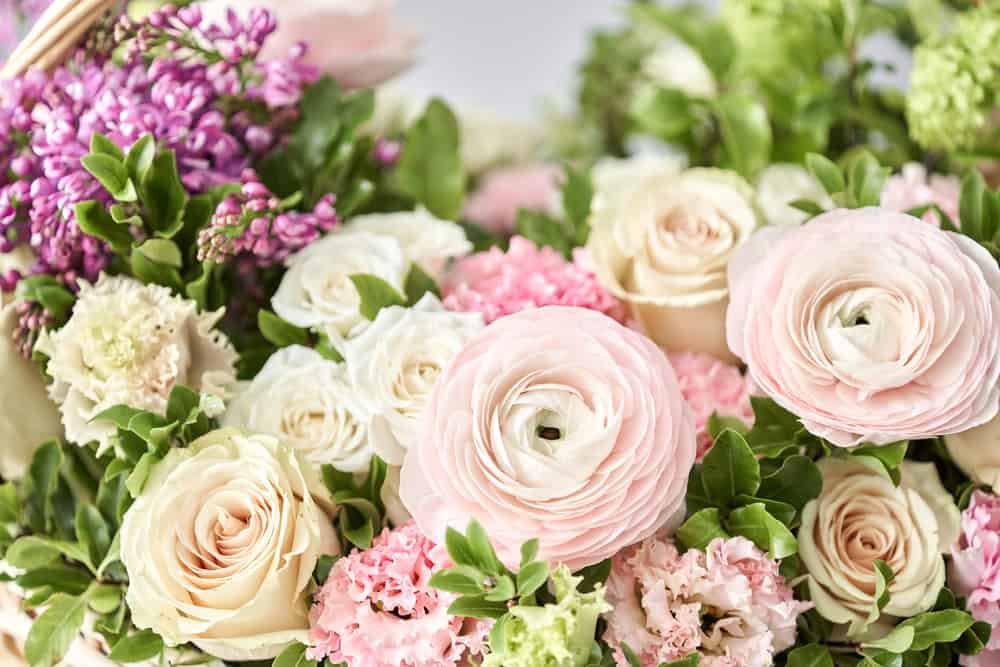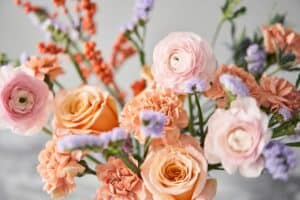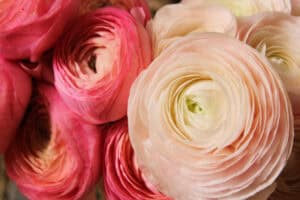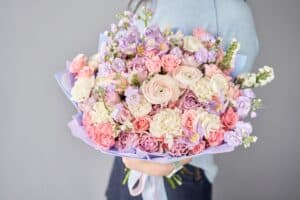
When fall rolls in, we naturally start craving deeper colors, layered textures, cozy gatherings, and decor that aligns our homes with the season’s vibe. Pumpkins may get plenty of attention, but in the flower world, chrysanthemums deserve the crown. Also called mums, chrysanthemums are one of the most recognizable flowers of autumn. We see them brightening front porches, filling farmers market displays, starring in Thanksgiving centerpieces, and adding rich seasonal color to floral arrangements. Their popularity isn’t just about tradition, either. Mums are incredibly versatile, available in an impressive range of colors and flower shapes, and naturally suited to the warm, welcoming style we associate with fall. From everyday decorating to major celebrations, here are five reasons chrysanthemums are truly the queens of fall flowers, according to the experts at Cascade Floral Wholesale in Everett, Washington.
Chrysanthemums Come in a Gorgeous Range of Fall Colors
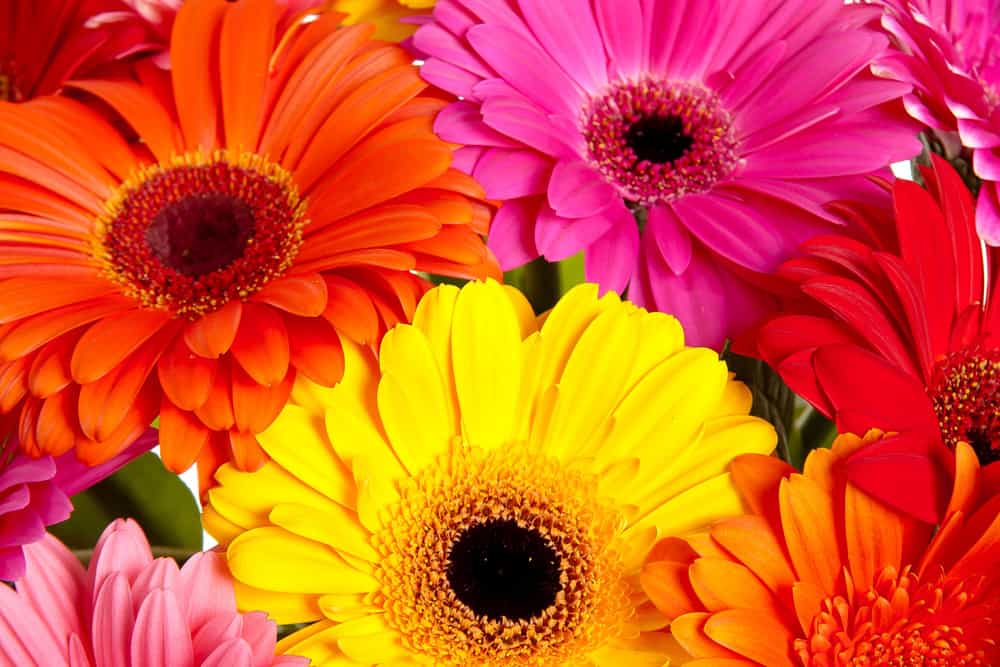
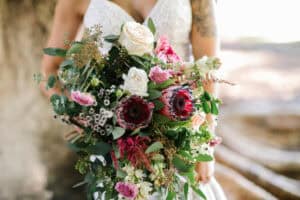
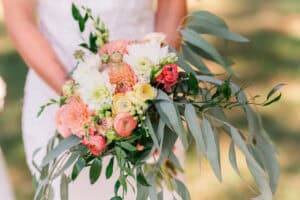
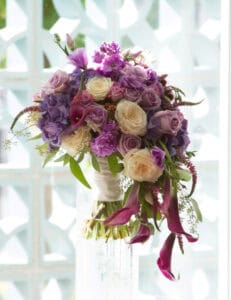
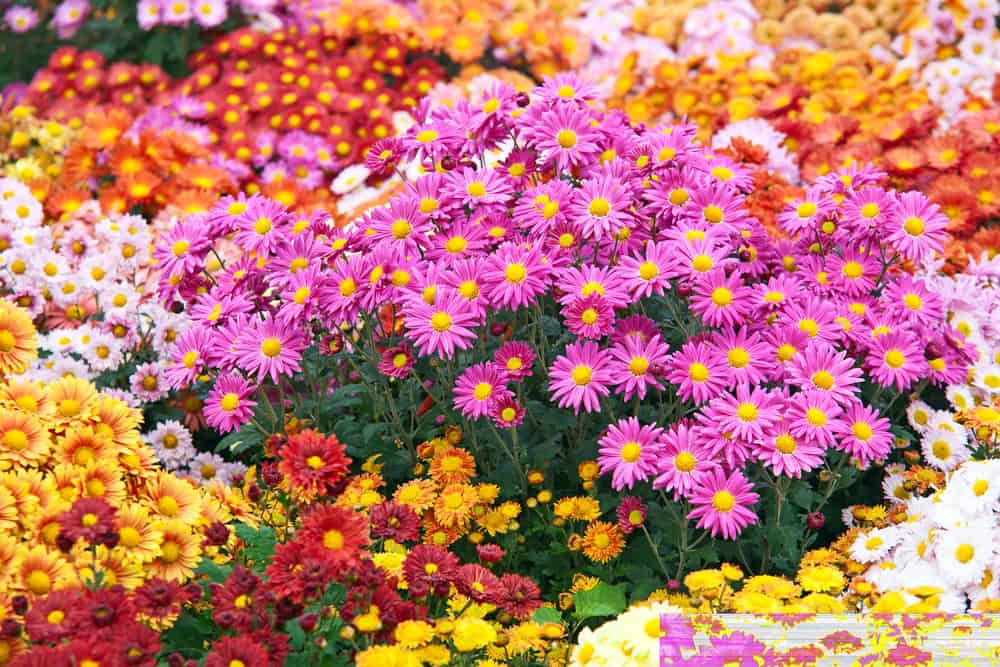
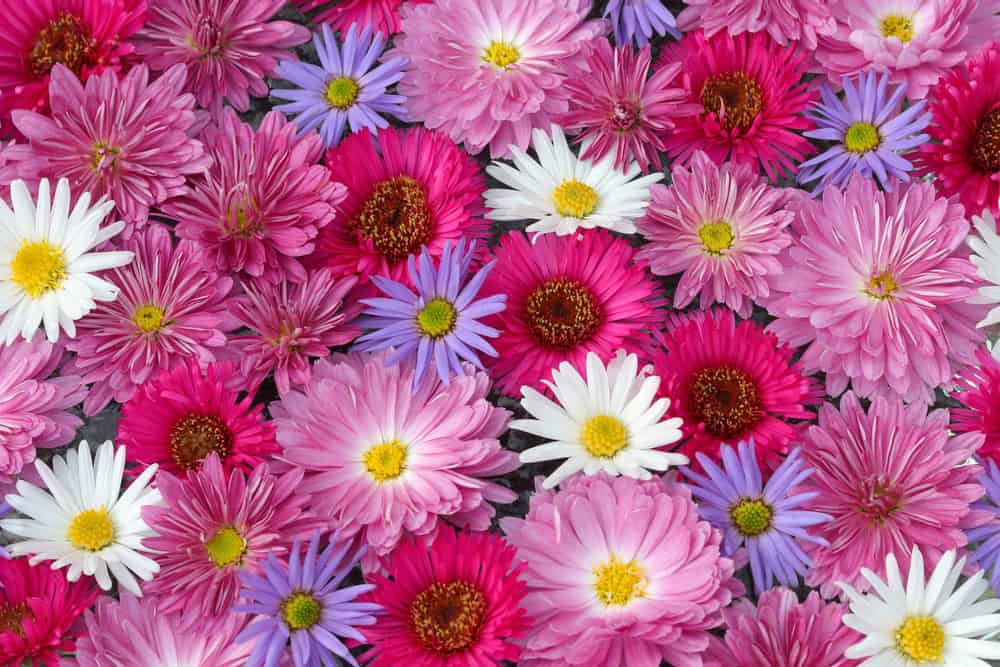
One of the biggest reasons we love chrysanthemums is their color variety. They practically arrive dressed for the season! Classic fall mums bloom in rich shades of burgundy, bronze, rust, red, orange, yellow, and gold. These hues pair beautifully with autumn favorites like pumpkins, dried grasses, colorful leaves, and seasonal foliage. For a more modern look, mums are also available in white, cream, green, lavender, and pink.
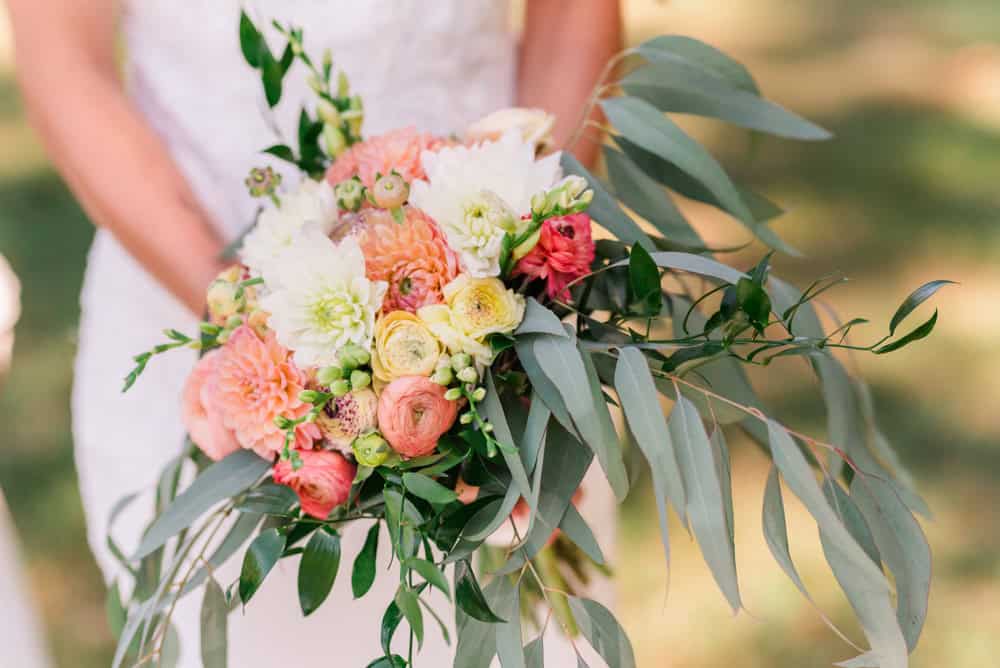
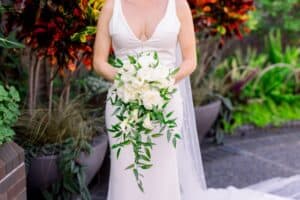
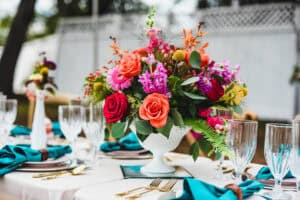
That means we’re not limited to one traditional autumn palette. You can create a dramatic arrangement with wine-colored mums and dark greenery, a cheerful centerpiece filled with golden yellow blooms, or a fresh neutral design using creamy chrysanthemums with eucalyptus. Whether your fall style leans rustic, elegant, colorful, or contemporary, there’s a mum ready to join the party.
Their Variety of Shapes Enhances Arrangements
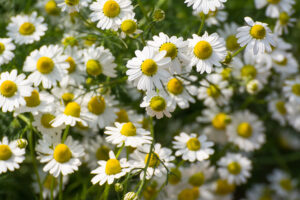
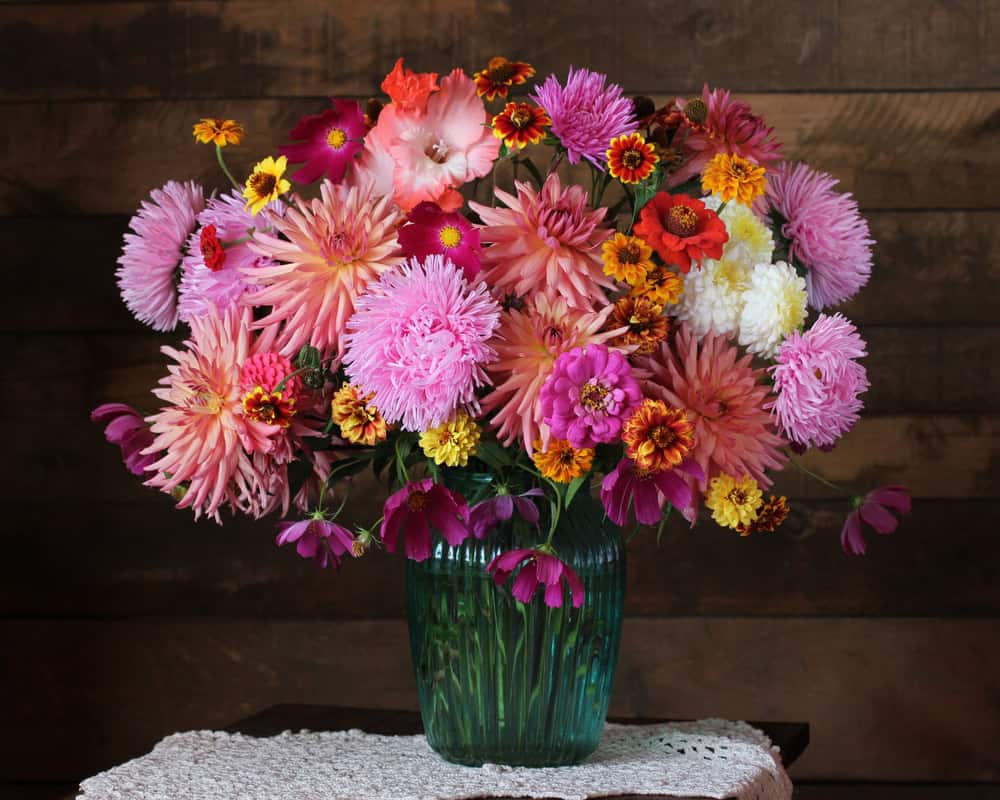
Chrysanthemums aren’t a one-look flower. In fact, part of their charm comes from the impressive number of shapes and sizes available. Some varieties have rounded, compact blooms that look almost like floral pom-poms. Others feature long, curling petals that create a dramatic, sculptural appearance. Daisy-style chrysanthemums bring a casual garden spirit, while spider mums add movement and personality to bouquets.
You can use these different forms to create depth without relying on dozens of different flower types. A single arrangement might include large football mums as statement flowers, smaller button mums for texture, and airy spider mums for a playful finishing touch. For flower lovers decorating at home, this variety makes chrysanthemums especially fun to experiment with. Mixing several mum styles in one vase creates a full, layered arrangement that looks stylish, relaxed, and seasonal.
Chrysanthemums Are Wonderful for Seasonal Decorating
Few flowers transition through fall as easily as chrysanthemums. At the beginning of the season, colorful potted mums are perfect for porches, patios, entryways, and garden beds. Add a few decorative gourds and the front door is ready for autumn.
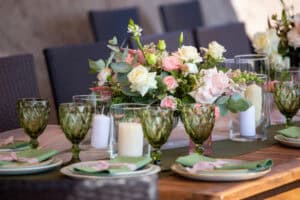
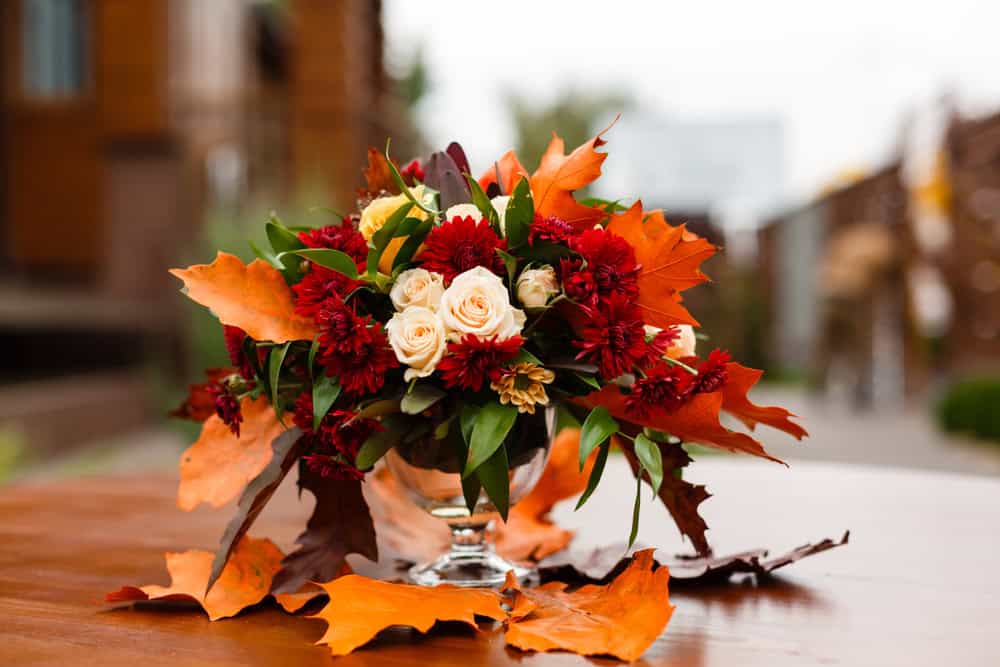
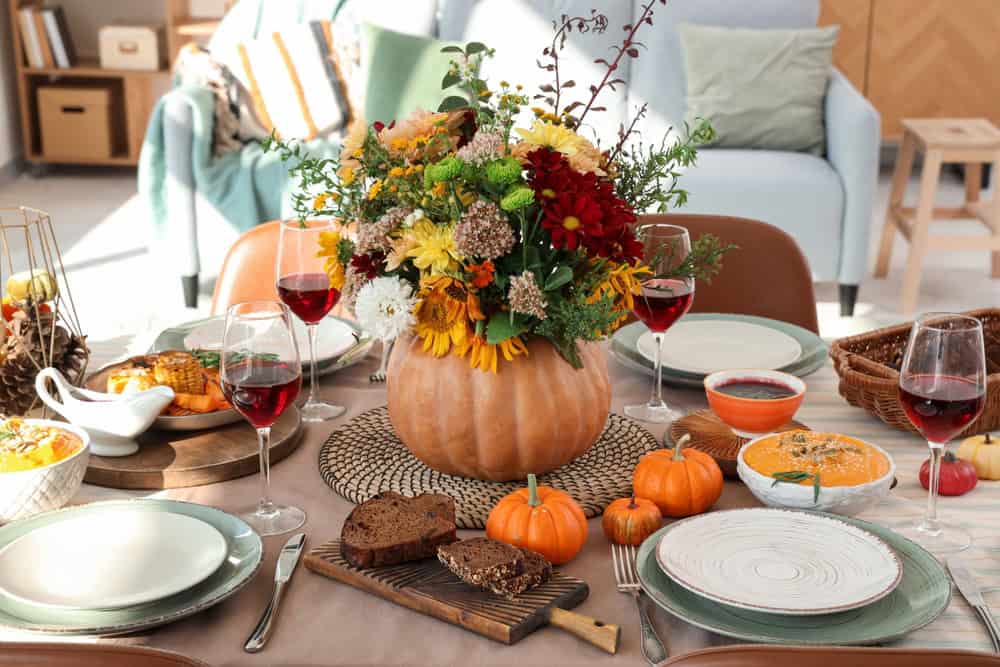
Indoors, cut chrysanthemums work beautifully in kitchen arrangements, dining room centerpieces, mantel displays, and guest room bouquets. Their familiar fall tones connect various areas of the home even when arrangements are designed differently. As we move toward Thanksgiving, chrysanthemums shine as part of elevated table designs. Bronze mums mixed with berries, greenery, branches, and candlelight create a welcoming centerpiece for family dinners and holiday celebrations. They’re just as useful for casual weekend decorating as they are for a gorgeous holiday table.
Mums Are Long-Lasting Flowers
Beauty is even better when we get to enjoy it for more than a few days, and chrysanthemums are known for having a strong vase life. With proper care, cut mums stay attractive for a week or longer, depending on the variety and growing conditions. This makes them an excellent choice for people who want flowers that continue looking lovely throughout busy fall schedules.
To help chrysanthemums last, we recommend starting with a clean vase, fresh water, and trimmed stems. Remove any leaves that sit below the waterline and refresh the water regularly. Their durability also makes mums practical for events. When you’re creating arrangements for fall weddings, parties, corporate gatherings, or Thanksgiving celebrations, dependable flowers are always appreciated. Chrysanthemums bring both beauty and staying power, which is a winning combination during a season filled with entertaining.
Chrysanthemums Work for Almost Every Fall Occasion
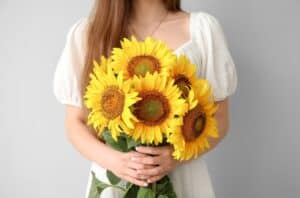
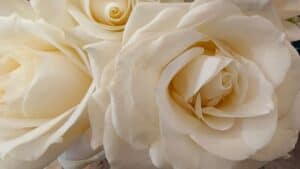
Another reason chrysanthemums earn queen status is their versatility. They’re cheerful enough for a birthday bouquet, elegant enough for a wedding, welcoming enough for a hostess gift, and festive enough for Thanksgiving. Their many colors and forms allow us to completely change the mood depending on how they’re styled. Pair chrysanthemums with roses and delicate greenery for a posh arrangement. Mix them with sunflowers and solidago for a cheerful harvest-inspired bouquet. Combine burgundy mums with berries, branches, and textured foliage for something dramatic and sophisticated.
Mums also make wonderful flowers for everyday moments. A bouquet on the kitchen counter brings seasonal color into the home, no special occasion needed. Sometimes flowers are simply about enjoying what’s blooming right now.
At Cascade Floral Wholesale, we know that chrysanthemums have earned their place at the center of fall floral design. They give us incredible color, fascinating flower shapes, dependable vase life, and endless decorating possibilities. We can place them on the porch, arrange them around the Thanksgiving table, send them to someone we love, or pick up a bunch simply because the season inspired us. With so many varieties to explore, chrysanthemums prove that fall flowers can be traditional but never predictable.