
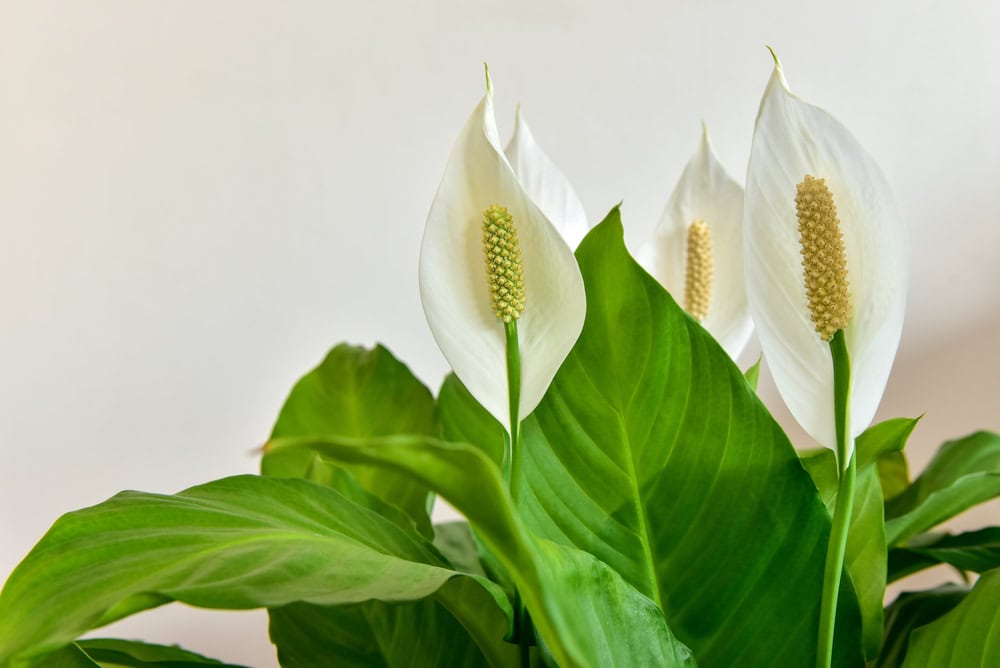
How to Keep Your Peace Lily Thriving All Year Long
Peace lilies are timeless, easy to style, and have a fresh, lived-in beauty that we all love. Gifted for a special occasion or chosen as a simple treat for yourself, this popular plant has a way of making a room feel more complete. At Cascade Floral Wholesale in Everett, Washington, we know that the best part is that it doesn’t take complicated care to keep peace lilies looking gorgeous. Once you understand what this plant likes and what it doesn’t, it becomes much easier to help it thrive through every season of the year.
Find the Sweet Spot for Light
One of the first things that helps a peace lily do well is placement. These plants love bright, indirect light, which means they enjoy a well-lit room without sitting in harsh sun all day. We can think of it as the kind of gentle light that brightens a space without overwhelming it. Too much direct sunlight can leave the leaves scorched or faded, while too little light can slow growth and make blooming less likely. That’s why finding the sweet spot matters so much.
A peace lily usually does well near an east-facing window or a few feet away from a brighter window with filtered light. It’s one of the reasons people love them so much. They’re more adaptable than many houseplants and can tolerate lower light, but they’ll still look their best when they get enough brightness to support healthy growth. If the goal is glossy green leaves and those signature white blooms, light is a great place to start.
Water Based on the Plant, Not the Clock
Peace lilies are known for being a little dramatic and that’s not always a bad thing. When they’re thirsty, they’ll often droop in a way that gets our attention fast. It makes them easier to read than some fussier plants, but that doesn’t mean we should wait for a full wilt every time. A peace lily prefers soil that stays lightly and evenly moist, not bone dry and definitely not soaked.
Instead of watering on a strict schedule, it’s better to check the soil first. If the top inch feels dry, it’s usually time to water. If it still feels damp, it’s best to wait a bit longer. When watering, give the plant a thorough drink until water drains from the bottom of the pot, then empty any excess from the saucer. Letting the roots sit in standing water can cause trouble quickly. In warmer months, the soil may dry out faster, while in cooler months the plant may need less frequent watering. This is why peace lilies do better when we pay attention to their changing needs instead of following the exact same routine all year.

Keep the Environment Comfortable
Because peace lilies are tropical plants, they appreciate an environment that feels steady and comfortable. Regular indoor temperatures usually work well, especially somewhere between 65 and 80 degrees Fahrenheit. What they don’t enjoy are sudden drafts, blasts of heat, or chilly air coming in from windows and doors. A plant placed too close to a heater, air conditioner, or drafty entryway may start showing signs of stress before long.
Humidity also plays a bigger role than many people realize. Dry indoor air can lead to brown leaf tips, especially during winter when heating systems are running more often. To make things easier on your peace lily, it helps to add a little moisture to the air around it. Grouping plants together, setting the pot on a pebble tray, or using a humidifier nearby can all help. Even a bright bathroom can be a great fit if the light is right. When a peace lily feels comfortable in its space, it tends to reward us with fuller leaves, better color, and a fresher overall look.
Feed It Lightly and Keep It Looking Fresh
A healthy peace lily adds life to a room, and regular upkeep goes a long way. During spring and summer, when the plant is actively growing, a balanced houseplant fertilizer at half strength once a month is usually enough. It doesn’t need heavy feeding, and too much fertilizer can actually do more harm than good. In fall and winter, it’s perfectly fine to scale back or pause feeding while growth slows naturally.
Grooming matters too, especially for a plant with broad leaves that tend to collect dust. Wiping the leaves gently with a damp cloth helps them look cleaner and allows the plant to photosynthesize more efficiently. Trimming away yellow leaves or older spent blooms also keeps the plant looking tidy and encourages fresh growth. These little steps may not seem like much, but they make a real difference. A well-kept peace lily always stands out.
Repot Only When It’s Ready
Peace lilies don’t mind being a little snug in their pots, so they don’t need constant repotting. In fact, they often do just fine when slightly root-bound. Still, there comes a point when a larger home makes sense. If roots are starting to grow from the drainage holes, the soil dries out very quickly, or the plant looks crowded and less vigorous, it may be time to repot.
When that time comes, move up just one pot size and choose a container with good drainage. A quality indoor potting mix that drains well will help support healthy roots. Spring or early summer is usually the best time to repot, since the plant is entering its active growing season and can adjust more easily. It also helps to watch for small warning signs throughout the year. Yellowing leaves can point to watering issues, brown tips often suggest dry air or inconsistent moisture, and a lack of blooms may mean the plant needs more light. The good news is that peace lilies are usually forgiving. With a few simple adjustments, they often bounce back beautifully.

A peace lily invites freshness, beauty, and ease into our homes. With the right light, steady watering, a comfortable environment, and a little routine care, it can stay healthy and beautiful all year long. That’s what makes it such a lasting favorite at Cascade Floral Wholesale. It’s classic, rewarding, and always worth making room for.